
Patna joins India`s high-speed rail network. Delhi-Howrah bullet train to cut travel time drastically. Patna-Kolkata in 2 hrs!
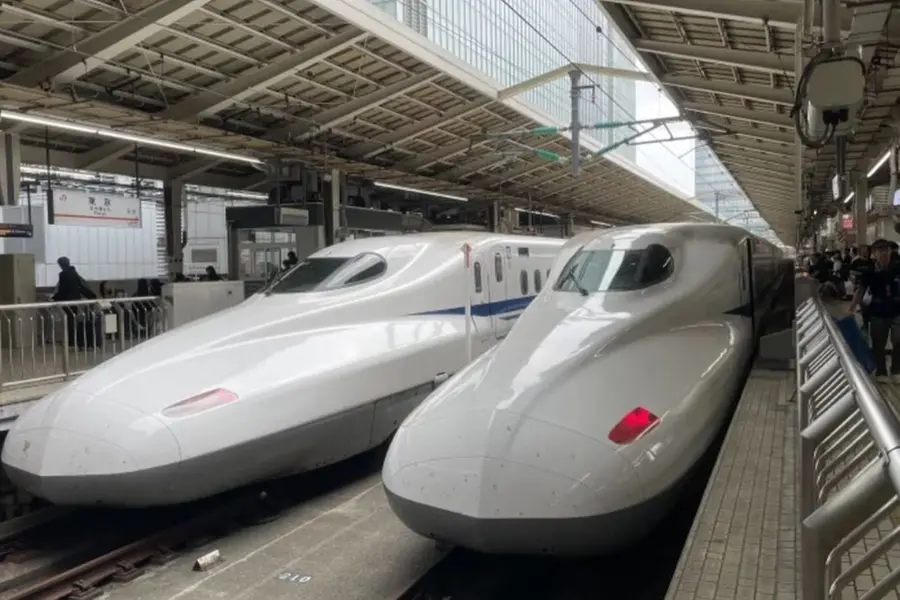
Patna: Bihar is set to enter the high-speed rail era, with the survey work for the Delhi-Howrah bullet train corridor completed and a detailed report submitted to the Ministry of Railways, according to Dainik Bhaskar. The project, which will connect Delhi and Howrah via major cities including Patna, is expected to revolutionise travel across Eastern India by drastically cutting travel time.
Once operational, the 1,669-kilometre journey between Delhi and Howrah will take just 6.5 hours on the bullet train, compared to the current 17–18 hours. The segment between Patna and Delhi (about 1,000 km) is expected to be covered in just 4 hours, down from the present 13–14 hours by conventional trains.
Patna to Kolkata in just over 2 hours
The 578-kilometre route from Patna to Kolkata will be covered in just over 2 hours, offering a massive time saving for daily commuters, business travellers, and tourists alike. At present, the same journey takes around 6 hours by train.
Project overview and route
The high-speed rail line, expected to cost around ₹5 lakh crore, will be developed in two phases:
Phase 1: Delhi to Varanasi via Lucknow and Ayodhya (targeted for completion by 2029)
Phase 2: Varanasi to Howrah via Patna
In Bihar, the bullet train will pass through Buxar, Patna, and Kiul before entering West Bengal. According to reports, Patna will be the only scheduled stop in the state, with a dedicated high-speed rail station planned near Phulwari Sharif. The next halt will be Asansol in West Bengal.
Railway officials have clarified that no entirely separate corridor will be built within Bihar. Instead, two high-speed tracks will be laid parallel to the existing railway lines, specifically designated for bullet trains. These tracks will not be shared with conventional trains.
This design approach is also intended to minimise land acquisition, with officials noting that Bihar already has three existing railway lines along the proposed bullet train route. Any additional land needed may be acquired only where necessary, helping reduce costs and delays.
Mumbai-Ahmedabad project sees first tunnel breakthrough
Meanwhile, progress has been reported on India’s first bullet train corridor between Mumbai and Ahmedabad. A 2.7 km tunnel section between Bandra-Kurla Complex (BKC) and Shilphata in Thane has been successfully excavated using the New Austrian Tunnelling Method (NATM). The full 21-km tunnel will include a 7 km undersea stretch beneath Thane Creek.
Despite this breakthrough, the deployment of Tunnel Boring Machines (TBMs) for the remaining 16 km is still awaited, though launch shafts are in place. The Mumbai-Ahmedabad corridor is being funded with support from Japan and is valued at ₹1.08 lakh crore.
Published: 12 Jul 2025, 11:23 am IST
Related Topics
Disclaimer: Kindly avoid objectionable, derogatory, unlawful and lewd comments, while responding to reports. Such comments are punishable under cyber laws. Please keep away from personal attacks. The opinions expressed here are the personal opinions of readers and not that of Mathrubhumi.
