
Parliament's Monsoon Session ended with legislation passed but debate still at the centre of a political dispute, as the government blamed repeated disruptions and the Opposition defended its protests over examination and student issues.
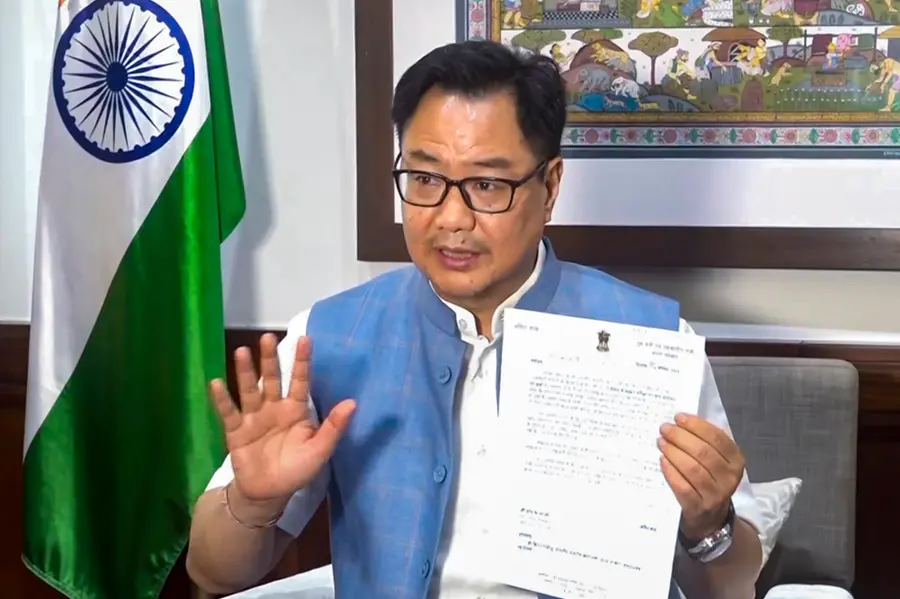
New Delhi: New Delhi: Parliament's Monsoon Session ended on Thursday after 19 sittings, with 12 bills passed but debate and productivity emerging as major points of contention. Parliamentary Affairs Minister Kiren Rijiju criticised the Opposition, particularly Congress, for repeated disruptions, while Opposition parties said their protests were aimed at forcing discussions on examination controversies, student concerns and other issues.
Rijiju questions Opposition's role
Rijiju said the government was dissatisfied with the level of debate, accusing Opposition MPs of turning Parliament into a platform for slogans, placards and disruptions.
“Particularly in the Congress party, many MPs now seem to believe that their primary job is to raise slogans, carry placards and banners, and create disruptions,” Rijiju said.
He said Lok Sabha's productivity was 19 per cent and Rajya Sabha's 39 per cent during the session, attributing the low figures largely to repeated protests, interruptions and walkouts.
Rijiju said the session was successful in terms of legislative output but less satisfactory in terms of debate. He said 12 bills were passed, but 11 were passed in the Lok Sabha without discussion, while only one was discussed.
“A total of 12 bills were passed, but we are not satisfied with the quality of discussion because the Opposition did not allow proper debate to take place, especially in the Lok Sabha,” Rijiju said.
He also alleged that Opposition parties walked out even when opportunities for discussion were offered.
Why the Opposition protested
Opposition parties defended their protests, arguing that they were raising issues they considered too important to be ignored.
Examination paper leaks and concerns affecting students and job aspirants were among the issues repeatedly raised. Opposition MPs also questioned the handling of student protests and sought discussions on matters they said required government accountability.
Their position was that protests were necessary when they believed their demands for discussion were not being adequately addressed.
Government says debate was available
The government maintained that Opposition MPs could have raised their concerns through parliamentary debate instead of disrupting proceedings.
In the final days of the session, Home Minister Amit Shah offered to participate in a discussion on the student agitation and said he was ready to answer Opposition questions. Opposition parties, however, continued to seek discussion in their preferred format.
This disagreement became central to the government's criticism: the government said it was ready to debate, while the Opposition maintained that the issues it wanted discussed had not been adequately addressed.
Disruption versus parliamentary scrutiny
The disruption debate has two sides.
Repeated protests and interruptions reduced the time available for parliamentary business, contributing to the low productivity figures. At the same time, Opposition parties argue that protests are a legitimate political tool for drawing attention to issues they believe require immediate action.
The larger concern is whether disruption leaves enough room for meaningful debate and scrutiny. Passing legislation is one measure of parliamentary output, but effective parliamentary functioning also depends on members being able to examine bills, question the government and debate their implications.
Examination issue remains significant
Examination integrity was one of the key issues raised during the session, particularly amid concerns over paper leaks and the impact on students and job aspirants.
The government also pursued the Public Examinations (Prevention of Unfair Means) Amendment Bill, 2026, aimed at strengthening the legal framework dealing with malpractice in specified public examinations.
The issue highlighted the wider difference between the two sides: the government focused on legislative measures, while the Opposition sought greater accountability over examination-related concerns.
What the session leaves behind
The Monsoon Session produced a clear contrast: the government points to 12 bills passed despite disruptions, while the Opposition points to the limited time available for debate.
Rijiju's criticism has put the focus on the role of Opposition MPs and the cost of repeated disruptions. The Opposition, meanwhile, argues that its protests were intended to ensure that issues affecting students and the wider public were not pushed aside.
The central question now is whether future sessions can provide space for both political protest and substantive parliamentary debate, without either becoming a substitute for the other.
Published: 13 Aug 2026, 01:14 pm IST
ABOUT THE AUTHOR

Related Topics
Disclaimer: Kindly avoid objectionable, derogatory, unlawful and lewd comments, while responding to reports. Such comments are punishable under cyber laws. Please keep away from personal attacks. The opinions expressed here are the personal opinions of readers and not that of Mathrubhumi.