
Pakistan’s deepening debt crisis has forced it back to the IMF negotiating table, as Islamabad seeks US-backed financial relief amid mounting repayments and dwindling reserves.
Islamabad: Facing ballooning debt, Pakistan’s economy continues to struggle under immense fiscal pressure. With total external debt estimated at around USD 135 billion as of Q2 2025, the country owes nearly USD 30 billion to China alone, making Beijing one of its largest bilateral creditors.
According to the Pakistan Economic Survey 2024–25, total national debt stood at Pakistani Rs. 76.01 trillion (approximately USD 267 billion) by the end of March 2025, including domestic debt of Rs. 51.52 trillion and external debt of Rs. 24.49 trillion.
Also Read

The central bank estimates Pakistan must meet over USD 23 billion in external debt repayments this fiscal year, with total foreign debt and interest payments exceeding USD 30 billion.
US engagement and IMF approval push
Islamabad’s recent diplomatic outreach to Washington appears to be yielding results. Finance Minister Muhammad Aurangzeb held key meetings with US Treasury officials, investors and multilateral institutions in mid-October, pressing for reform and investment support.
Observers suggest that Pakistan’s renewed closeness with the US may have influenced the IMF’s latest staff-level agreement (SLA) under the Extended Fund Facility (EFF) and the Resilience and Sustainability Facility (RSF).
The IMF confirmed on October 14 that Pakistan had shown “strong implementation and continued commitment”, allowing access to USD 1 billion under the EFF and USD 200 million under the RSF, pending IMF Executive Board approval.
High-level outreach and policy reforms
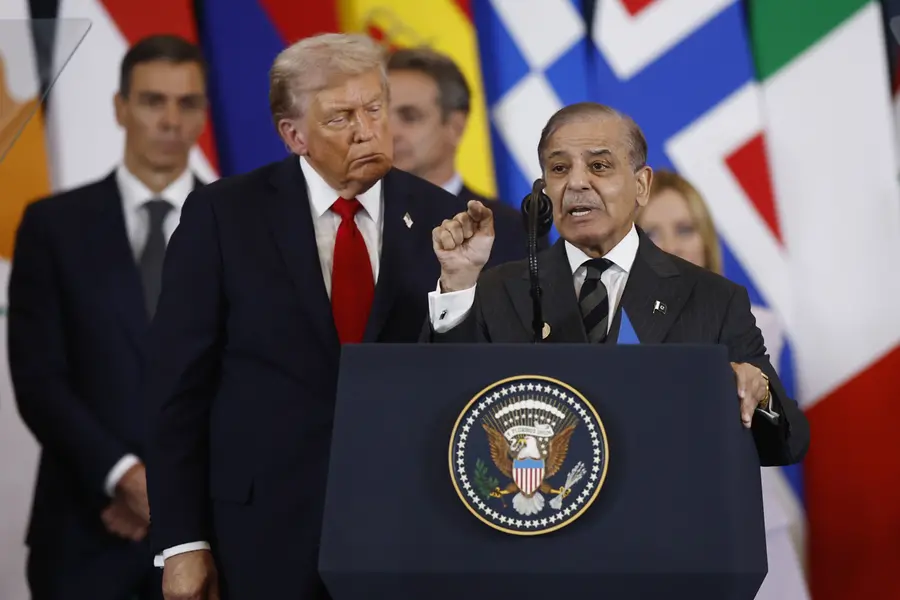
Prime Minister Shehbaz Sharif and Army Chief General Asim Munir have both engaged with the US administration, seeking to rebuild trust and unlock external support. Their efforts coincide with the IMF’s positive tone and Washington’s tariff concessions on Pakistani exports.
In July, Pakistan and the US reached an agreement reducing duties on Pakistani goods to 19 per cent, a move Finance Minister Aurangzeb hailed as evidence of “successful negotiations”.
However, analysts caution that despite temporary relief, Pakistan’s fiscal sustainability depends on strict reforms, debt rollovers, and disciplined spending.
With external financing needs remaining high and domestic pressures intensifying, Pakistan’s path ahead appears uncertain. The new IMF tranche may offer short-term breathing space, but without structural reforms, the country risks returning to the cycle of debt and bailouts yet again.
(With IANS inputs)
Published: 15 Oct 2025, 06:46 pm IST
Related Topics
Disclaimer: Kindly avoid objectionable, derogatory, unlawful and lewd comments, while responding to reports. Such comments are punishable under cyber laws. Please keep away from personal attacks. The opinions expressed here are the personal opinions of readers and not that of Mathrubhumi.