
The response came after Satheesan described the outward flow of wages earned by 40 to 50 lakh interstate migrant workers as an economic concern.
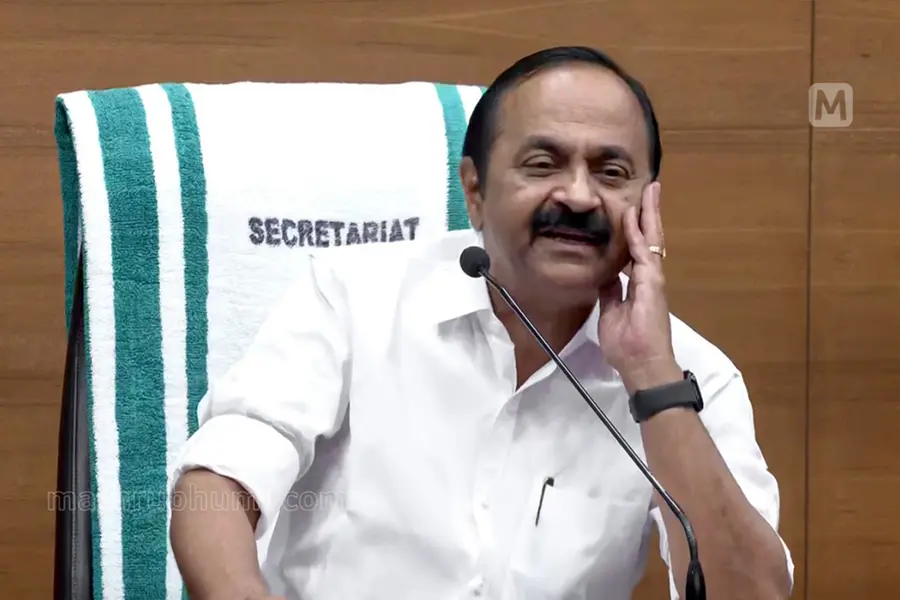
Amid a debate over " Are migrant workers 'siphoners' or the backbone? Kerala CM rekindles reverse remittance debate" target="_blank">reverse remittance " following Chief Minister V.D. Satheesan's remarks on interstate migrant workers in the Assembly, a leading migrant rights organisation in Kerala has questioned his use of the term and disputed several claims made during the discussion.
Dr Binoy Peter, co-founder and executive director of the Centre for Migration and Inclusive Development (CMID), said the Chief Minister had been misinformed on the meaning of reverse remittance and on the economic contribution of interstate migrant workers. In a Facebook post, he expressed hope that the Chief Minister would correct the remarks.
The response came after Satheesan described the outward flow of wages earned by 40 to 50 lakh interstate migrant workers as an economic concern. He argued that the rapid transfer of earnings through digital payment applications was reducing the circulation of money within Kerala, placing pressure on liquidity and affecting the local economy.
CMID disputes use of 'reverse remittance'
Dr Peter said the Chief Minister's reference to reverse remittance was factually incorrect. According to him, reverse remittance refers to money sent from the home country to a migrant living elsewhere, not to the money a migrant sends back to their family.
He cited Malayali families sending money to students studying in Europe, North America and other countries to meet tuition fees and living expenses as an example of reverse remittance.
The money sent by interstate migrant workers from Kerala to their home states, he said, should be described as remittance. He added that these workers earn their wages through labour and have every right to send their income to their families.
Dr Peter also compared the scale of remittance flows. He said non-resident Keralites send more than Rs 2.16 lakh crore to Kerala, while interstate migrant workers send around Rs 52,000 crore to their home states. He added that Kerala continues to be a remittance-driven economy.
NGO rejects claims on workers' spending
Dr Peter also challenged the suggestion that interstate workers spend little in Kerala and mainly purchase wheat flour, onions and alcohol.
He said the majority of interstate workers come from states where rice is the staple food and that only a minority consume alcohol.
According to him, migrant workers spend nearly one-third of their earnings within Kerala. He listed several areas where they contribute to the state's economy, including house rent, groceries, food, lottery tickets, mobile phone recharges, mobile handset purchases, clothing, medicines, haircuts and public transport.
He also pointed to the operation of bus services connecting Kerala with states such as Odisha, Jharkhand and West Bengal, saying these services are run by Malayali operators and cater largely to interstate workers travelling home.
Dr Peter further noted that workers pay service charges while transferring money to their families, generating additional economic activity within the state.
Appeal to Chief Minister
Addressing the Chief Minister directly, Dr Peter said many people in Kerala trusted his words and that factual errors on such an issue should not go uncorrected. He said he believed the Chief Minister had been misled and expressed hope that the statements would be revised.
Concluding his post, Dr Peter urged people not to forget Kerala's own history of migration. He said generations of Malayalis had migrated across India and to countries around the world in search of livelihoods, and their experiences should remain central to discussions on migration and remittances.
Published: 06 Jul 2026, 03:59 pm IST
Disclaimer: Kindly avoid objectionable, derogatory, unlawful and lewd comments, while responding to reports. Such comments are punishable under cyber laws. Please keep away from personal attacks. The opinions expressed here are the personal opinions of readers and not that of Mathrubhumi.
