
Congress leaders warn the VB-G RAM G bill undermines MGNREGA, centralises control, and threatens rural India’s poorest communities
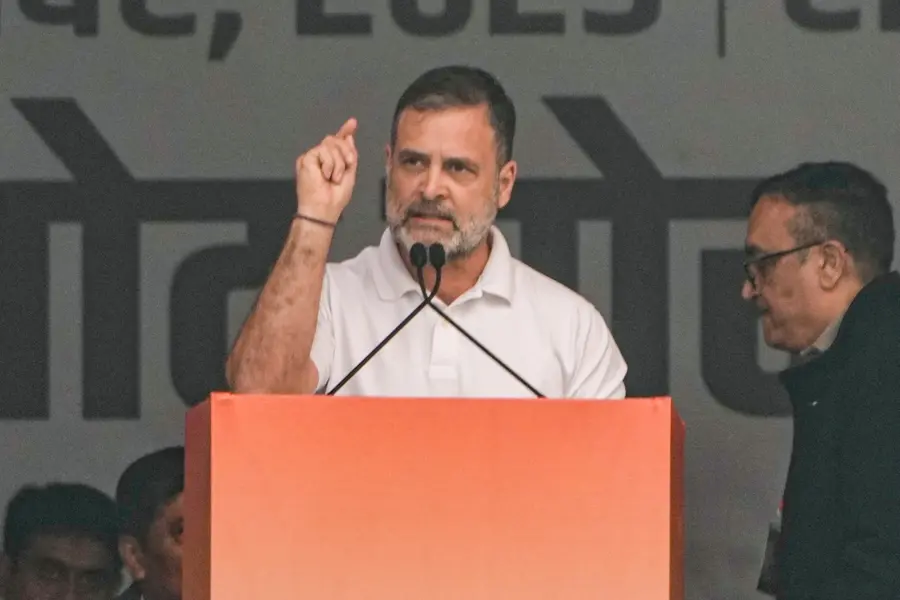
New Delhi: The Opposition, led by Rahul Gandhi and Priyanka Gandhi, has criticised the VB-G RAM G bill, claiming it weakens rural employment, centralises power, and undermines MGNREGA.
Opposition protests in Parliament
Also Read

On December 18, during the Winter Session 2025, Parliament passed the VB-G RAM G bill, guaranteeing 125 days of wage employment per rural household. Opposition parties staged protests outside the Lok Sabha and at entry points, expressing concern over its impact.
Rahul Gandhi’s critique
Rahul Gandhi, currently in Germany, described the legislation as “anti-state and anti-village by design.” He argued that the bill transforms MGNREGA’s rights-based, demand-driven model into a rationed scheme controlled from Delhi, weakening rural workers’ bargaining power and affecting wages, working conditions, and rural infrastructure.
Impact on women and marginalised communities
The Congress leader noted that women, Dalits, Adivasis, landless workers, and the poorest OBC communities would be most affected, as the rationed scheme could limit employment opportunities. MGNREGA’s role during COVID-19, supporting rural livelihoods and preventing hunger, highlighted its significance.
Priyanka Gandhi’s concerns
Congress MP Priyanka Gandhi warned that reduced central funding under the new bill could make it difficult for states to sustain the scheme, potentially harming the poorest sections of society.
The VB-G RAM G bill sets the central-state fund-sharing ratio at 60:40, and 90:10 for North Eastern and Himalayan States, as well as Union Territories such as Uttarakhand, Himachal Pradesh, and Jammu & Kashmir.
Congress leaders assert that the VB-G RAM G bill weakens rural employment rights, centralises power, and threatens the welfare of India’s most vulnerable communities. The Opposition vows to continue protesting and building a nationwide front to ensure the law is reconsidered.
(With inputs from ANI)
Published: 19 Dec 2025, 01:06 pm IST
Disclaimer: Kindly avoid objectionable, derogatory, unlawful and lewd comments, while responding to reports. Such comments are punishable under cyber laws. Please keep away from personal attacks. The opinions expressed here are the personal opinions of readers and not that of Mathrubhumi.