
NALSAR students have objected to CJI Surya Kant being invited as the 2026 convocation chief guest, citing the NEET row, judicial developments and academic freedom.
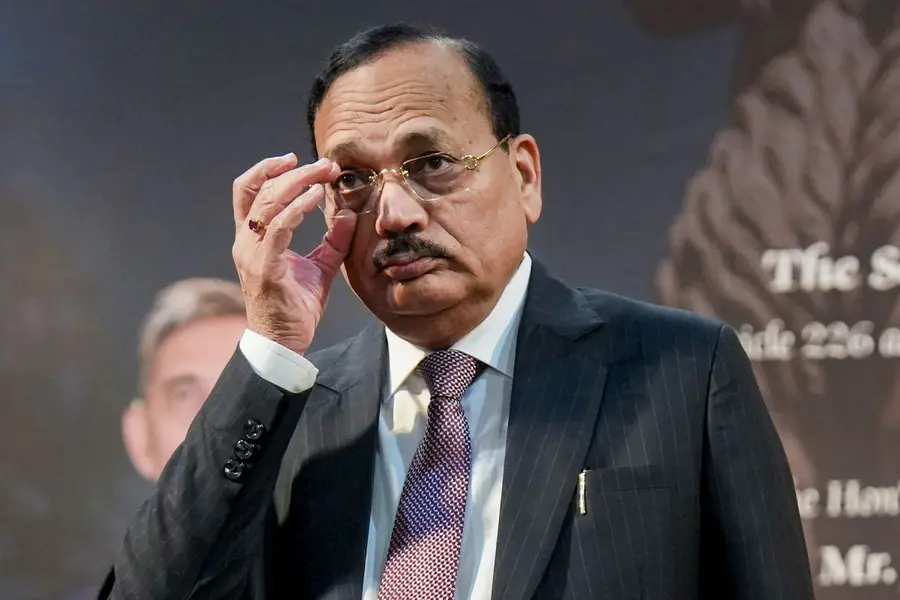
Hyderabad: Graduating students at NALSAR University of Law in Hyderabad has objected to Chief Justice of India Surya Kant being invited as the chief guest for the university’s 2026 convocation, citing concerns linked to the NEET row, recent judicial developments, constitutional accountability and academic freedom.
A group of students from NALSAR’s Batch of 2026 has written to the university administration, including the Vice-Chancellor, Registrar and faculty members, asking them to reconsider the decision to invite CJI Surya Kant to preside over the convocation.
Also Read

The students’ objection comes amid continuing controversy surrounding the NEET examination and wider debate over the role of institutions in addressing concerns raised by students.
According to their communication, the students believe the invitation sits uneasily with what they describe as concerns over recent judicial developments, constitutional accountability and academic freedom. They have therefore urged the university to reconsider the choice of chief guest.
What the students are objecting to
The students’ concerns are not limited to the presence of the CJI at the ceremony. Their letter links the invitation to broader questions about judicial decisions and institutional accountability.
They have argued that, in the current circumstances, inviting the Chief Justice to the convocation could be inconsistent with the values they believe an academic institution should uphold.
The NEET issue has become particularly significant in the context of the students’ objection, with examination-related controversies prompting wider discussions about fairness, institutional responsibility and the role of courts in education-related disputes.
Why the convocation invite matters
NALSAR is one of India’s prominent law universities, making the choice of a Chief Justice as convocation chief guest symbolically significant for students preparing to enter the legal profession.
The objection therefore brings together two issues: the university’s choice of a constitutional authority to preside over an academic ceremony and students’ concerns about judicial developments and accountability.
The students have asked the administration to reconsider the invitation rather than simply accepting the decision as a ceremonial matter.
What happens next
The university administration will have to decide whether it intends to retain the invitation or respond to the students’ request.
The available information does not indicate that the university has announced a change in the chief guest.
The development also comes at a time when student groups and academic institutions continue to debate how universities should respond to contentious public and constitutional issues.
Why this matters
The NALSAR controversy highlights the growing intersection between student activism, higher education and constitutional institutions. For a law university, questions about judicial accountability and academic freedom carry particular weight because students are being trained to engage with the legal system and constitutional principles.
At the same time, the students’ objection should be distinguished from any finding against the Chief Justice. Their letter represents their stated concerns and position on the invitation; it does not itself establish wrongdoing.
The episode also shows how the NEET controversy has extended beyond examination-related concerns into broader debates about institutional trust, judicial intervention and accountability.
Published: 09 Aug 2026, 02:02 pm IST
ABOUT THE AUTHOR
Related Topics
Disclaimer: Kindly avoid objectionable, derogatory, unlawful and lewd comments, while responding to reports. Such comments are punishable under cyber laws. Please keep away from personal attacks. The opinions expressed here are the personal opinions of readers and not that of Mathrubhumi.