
Lalbaugcha Raja returns for Ganeshotsav 2025 with grandeur, history, darshan timings, ticket details and traditions
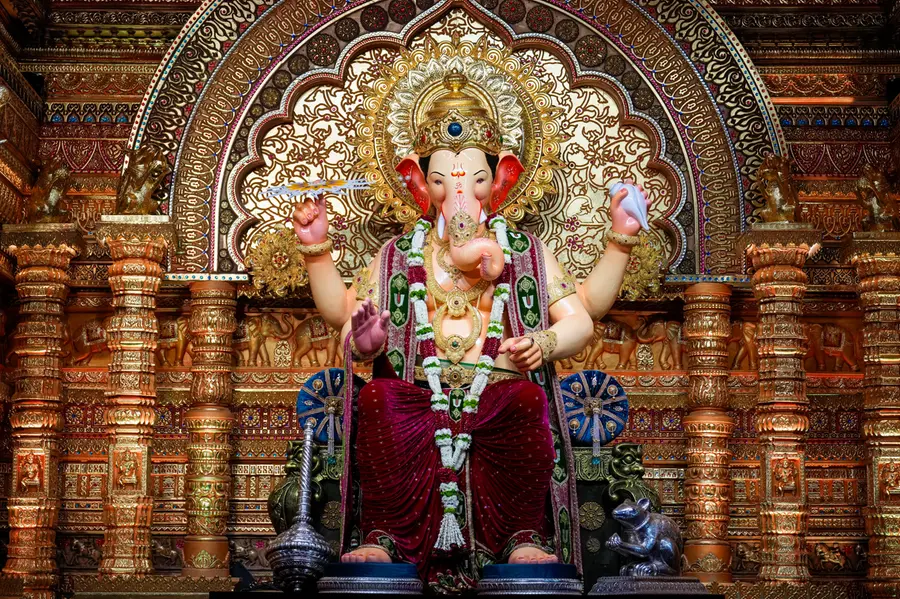
Mumbai: Lalbaugcha Raja is one of Mumbai’s most revered Ganesh mandals and a central part of Ganesh Chaturthi celebrations. Each year, millions of devotees travel from across India to seek blessings at this legendary pandal. In 2025, the celebrations will be held from August 27 to September 6, drawing immense spiritual fervour to the city.
Here are ten things you should know about Lalbaugcha Raja this year.
1. A royal look in purple
The idol for 2025 has left devotees spellbound with its royal appearance. Lord Ganesha is adorned in a striking purple dhoti and a majestic mukut (crown), while a chakra rests gracefully in one of his hands. The grandeur of the idol instantly won hearts, as chants of “Ganpati Bappa Morya!” echoed through the pandal.
2. A golden throne mandap
This year’s mandap is inspired by a palatial setting, featuring a 50-foot idol clad in a maroon pithambar (robe). The shimmering lights and golden throne enhance the splendour, making it one of the most captivating themes seen in recent years.
3. A testament to unity in diversity
The velvet curtain that covers the idol was stitched with the help of Muslim artisans, once again underlining how Ganesh Chaturthi unites communities beyond religion. The festival remains a symbol of India’s inclusive spirit, where people from diverse backgrounds come together to celebrate the arrival of Lord Ganesha.
4. Grand entry gate
This year’s entrance has been designed in the shape of a magnificent elephant head crowned with regal ornaments. Adorned with colourful lighting and intricate detailing, the gate sets a divine tone for devotees even before they step into the mandap.
5. Origins of Lalbaugcha Raja
The Lalbaugcha Raja Sarvajanik Ganeshotsav Mandal was established in 1934 in the bustling Lalbaug market. At the time, the closure of the old Peru Chawl market had left local fishermen and vendors in distress. They prayed to Lord Ganesha, vowing that if a new market was built, they would begin a public celebration in his honour. Their prayers were answered, and on 12 September 1934, the first idol of Lalbaugcha Raja was installed. This legacy has continued for 91 years.
6. Navasacha Ganpati
Widely known as the Navasacha Ganpati — the one who fulfils wishes — Lalbaugcha Raja draws devotees who come with vows and prayers. To manage the crowd, two separate queues are maintained: one for those seeking blessings for specific wishes (navasachi line) and another for devotees who wish for a simple glimpse (mukh darshan line).
7. Lalbaugcha Raja darshan timings for 2025
According to the official Lalbaugcha Raja website, the darshan timings for 2025 will be spread across the day to accommodate the massive number of devotees. General darshan will be open from 5 am to 11 pm, while Charan Sparsha Darshan and Mukh Darshan can be availed between 6 am and 11 pm. For those unable to visit in person, live online darshan will be available round the clock, ensuring that devotees from across the world can witness the celebrations.
8. Lalbaugcha Raja ticket prices for 2025
Given the enormous footfall each year, many devotees prefer opting for VIP access to avoid waiting for long hours. Although the official ticket prices for 2025 are yet to be announced, they are expected to remain similar to past years. Traditionally, general entry is priced at ₹50, VIP darshan tickets are available for ₹200, while special darshan tickets cost around ₹500. General tickets provide basic entry, VIP tickets ensure quicker access, and special tickets offer a more personalised experience of seeking blessings from Lalbaugcha Raja.
9. Lalbaugcha Raja pooja and aarti timings for 2025
Devotees visiting Lalbaugcha Raja in 2025 will also be able to take part in the daily aartis, which are performed at fixed times through the day. The morning aarti is held from 7 am to 7.30 am, followed by the midday aarti between 12 pm and 12.30 pm. In the evening, prayers take place from 7 pm to 7.30 pm, while the night aarti is conducted from 10 pm to 10.30 pm. Apart from these, special poojas are organised based on prior bookings, giving devotees an opportunity for more personalised rituals.
10. The unchanging iconic pose
Since 1935, the idol’s iconic pose—Lord Ganesha seated on a throne with his right hand raised in blessing—has remained unchanged. This consistency has made Lalbaugcha Raja a recognisable cultural emblem of Mumbai’s Ganesh Chaturthi celebrations.
Published: 25 Aug 2025, 08:38 am IST
Related Topics
Disclaimer: Kindly avoid objectionable, derogatory, unlawful and lewd comments, while responding to reports. Such comments are punishable under cyber laws. Please keep away from personal attacks. The opinions expressed here are the personal opinions of readers and not that of Mathrubhumi.
