
A new study warns that climate change is making Mumbai’s monsoon floods deadlier, disproportionately affecting the city’s poor and vulnerable populations.
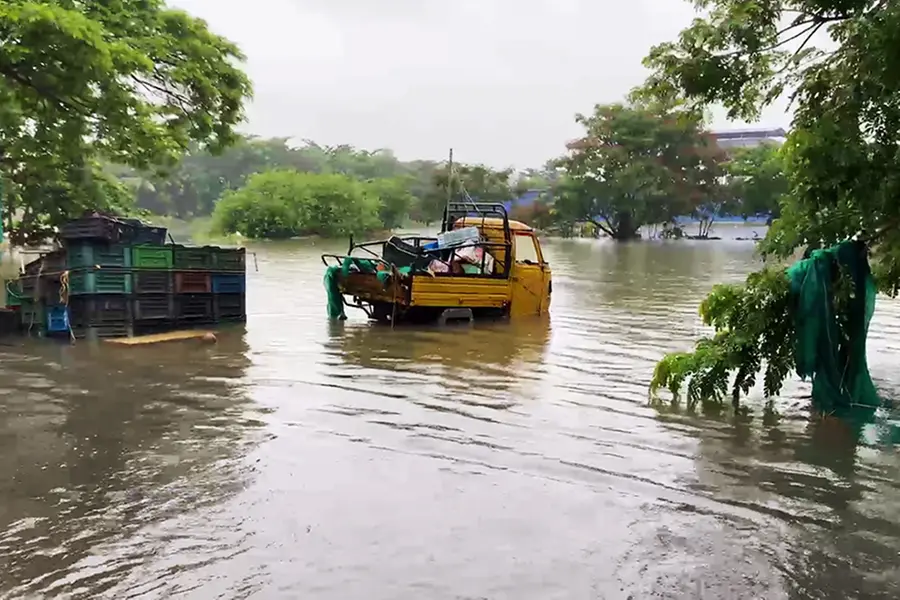
Mumbai: A report by the University of Chicago highlights the deadly impact of climate change on Mumbai’s monsoon rains, particularly for poorer communities. Analysing extensive data on rainfall and floods, the study estimates that rainfall-driven flooding accounts for roughly eight percent of monsoon-season deaths, or 2,300–2,700 lives annually between 2006 and 2015, comparable to cancer mortality.
The research, published in Nature, notes that vulnerable groups, including children, women, and residents of slums, are most affected. Mumbai’s geography, with the sea on three sides, and inadequate drainage exacerbate flooding, especially during high tides combined with intense rainfall bursts.
Also Read

Co-author Ashwin Rode highlighted additional dangers from standing water, including traffic accidents, electrocutions, drownings, and the spread of waterborne diseases such as dengue, diarrhoea, and malaria. The study warns that without interventions, rising sea levels could increase flood-related deaths by up to 20 percent in coming decades.
The study serves as a warning to other coastal megacities worldwide, emphasising that climate-driven floods are an escalating public health threat. South Asia’s annual monsoons, which sustain over a billion people, are becoming increasingly erratic and deadly due to climate change.
In Mumbai, the majority of flood-related deaths occur in slum areas, highlighting the wealth and infrastructure divide. Poor drainage systems magnify the impact of rainfall, while high tides further worsen flooding conditions. Intense, short bursts of rain combined with high tides are identified as the deadliest scenario.
The report underscores the need for urgent urban planning and public health interventions to mitigate the effects of climate-driven flooding, particularly for the city’s most vulnerable populations.
Published: 12 Nov 2025, 09:52 pm IST
Related Topics
Disclaimer: Kindly avoid objectionable, derogatory, unlawful and lewd comments, while responding to reports. Such comments are punishable under cyber laws. Please keep away from personal attacks. The opinions expressed here are the personal opinions of readers and not that of Mathrubhumi.