
Prime Minister Narendra Modi reached out to leaders of Qatar, France, Jordan, Oman and Malaysia as tensions escalated in West Asia, stressing dialogue, diplomacy and condemning attacks on key energy infrastructure.
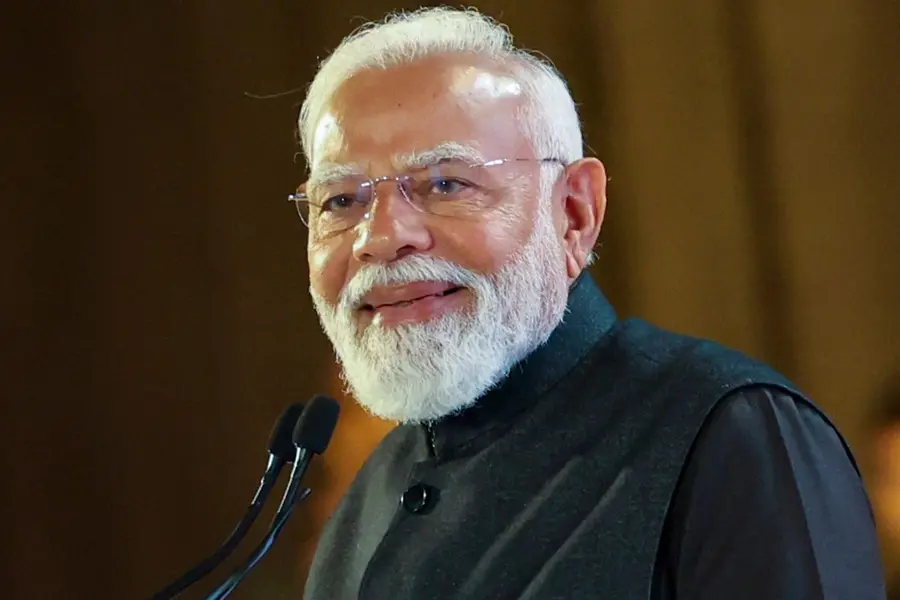
Prime Minister Narendra Modi on Thursday launched a flurry of high-level diplomatic outreach amid the escalating tensions in West Asia, holding conversations with leaders of Qatar, France, Jordan, Oman and Malaysia.
During the calls, he voiced serious concern over the rapidly evolving conflict and pushed for urgent de-escalation through dialogue and diplomacy.
A key focus of the discussions was the growing threat to critical energy infrastructure in the region. Modi strongly condemned recent attacks on oil and gas facilities, warning that such actions could intensify the crisis and destabilise global energy security.
In his interaction with Qatar’s Amir Sheikh Tamim bin Hamad Al Thani, Modi expressed solidarity and appreciated Doha’s support for the Indian community.
He also stressed the importance of ensuring uninterrupted and secure navigation through the strategically vital Strait of Hormuz, a lifeline for global energy supplies.
Speaking with Jordan’s King Abdullah II, the Prime Minister reiterated that attacks on energy infrastructure are “condemnable” and risk triggering further escalation. He also acknowledged Jordan’s role in assisting Indian nationals stranded in the conflict zone.
Modi’s conversation with French President Emmanuel Macron similarly centred on the urgent need to reduce tensions, with both leaders agreeing to maintain close coordination to restore peace and stability in the region.
During his call with Oman’s Sultan Haitham bin Tariq, PM Modi emphasised respect for sovereignty and praised Muscat’s efforts in facilitating evacuations, including those of Indian citizens. Both sides agreed that diplomacy must remain the primary path forward.
In talks with Malaysian Prime Minister Anwar Ibrahim, the leaders exchanged festive greetings and reaffirmed their shared commitment to resolving the crisis through peaceful means.
The diplomatic push comes against the backdrop of intensifying hostilities in the region, with retaliatory strikes targeting key energy assets raising fears of wider disruption and economic fallout.
Published: 20 Mar 2026, 10:12 am IST
Related Topics
Disclaimer: Kindly avoid objectionable, derogatory, unlawful and lewd comments, while responding to reports. Such comments are punishable under cyber laws. Please keep away from personal attacks. The opinions expressed here are the personal opinions of readers and not that of Mathrubhumi.
