
After PM Modi’s Facebook video was briefly removed, Meta told the IT Ministry it would introduce additional oversight and senior-level reviews for posts from prominent accounts. The incident has sparked debate over AI moderation systems and platform accountability.
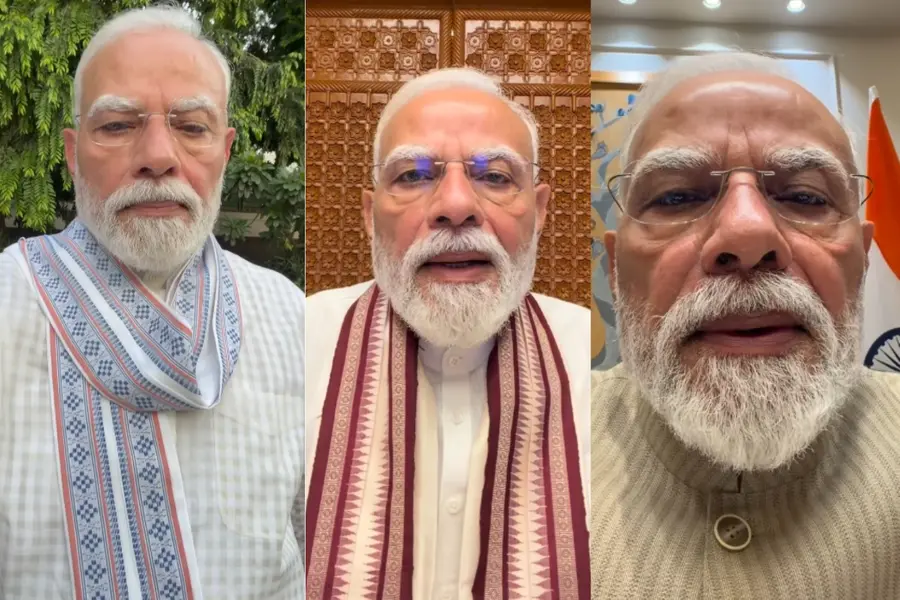
Meta has informed the Ministry of Electronics and Information Technology (MeitY) that posts from Prime Minister Narendra Modi and other high-profile Indian personalities will receive additional monitoring and senior-level reviews.
According to sources cited by PTI, the company has outlined stronger safeguards for prominent accounts following the temporary removal of Prime Minister Modi’s Facebook video addressing students amid the NEET paper leak controversy.
Also Read

The company said multiple checks involving senior officials would be introduced to reduce the chances of similar incidents in the future.
Facebook video removed briefly due to technical error
The controversy began after PM Modi’s first selfie-style video on Facebook, aimed at addressing young people over examination paper leaks, was briefly removed from the platform.
Meta later said the removal happened due to an “error” and restored the post.
The IT Ministry, however, said the explanation provided by the company was not sufficient and sought more details from Meta.
IT Secretary S Krishnan said that while Meta had apologised and admitted the mistake, the ministry wanted a clearer explanation of how the incident occurred.
Meta blamed automated content filters
Sources said Meta informed the government that an error in its automated content moderation system led to the temporary removal.
The company reportedly said AI-powered filters reviewing shared content and related posts mistakenly affected the original post.
The incident raised questions over automated moderation systems and whether important public communication from political leaders requires additional safeguards.
Government seeks accountability from platform
Following the removal, the government summoned a senior Meta executive to discuss the issue.
Officials questioned why a post from the Prime Minister’s account was affected and asked the company to strengthen its systems.
Meta officials are expected to meet government representatives again to discuss the matter.
The incident has renewed debate over how technology platforms handle political content, especially posts from public officials. Supporters of stricter oversight argue that important public communication should not be disrupted by automated errors.
However, the broader issue also raises questions about how platforms can balance content moderation, algorithmic decision-making and equal treatment of users.
Meta’s assurance of additional reviews is aimed at preventing similar mistakes, but questions remain over how such oversight will work in practice and whether special treatment for prominent accounts could affect broader platform policies.
Published: 29 Jul 2026, 09:58 pm IST
ABOUT THE AUTHOR
Disclaimer: Kindly avoid objectionable, derogatory, unlawful and lewd comments, while responding to reports. Such comments are punishable under cyber laws. Please keep away from personal attacks. The opinions expressed here are the personal opinions of readers and not that of Mathrubhumi.