
A Maulana has sparked controversy after claiming that communities including Tamils, Scheduled Castes, Adivasis, Sikhs, Buddhists and Lingayats should not be counted as Hindus, arguing that Hindus are not a majority in India.
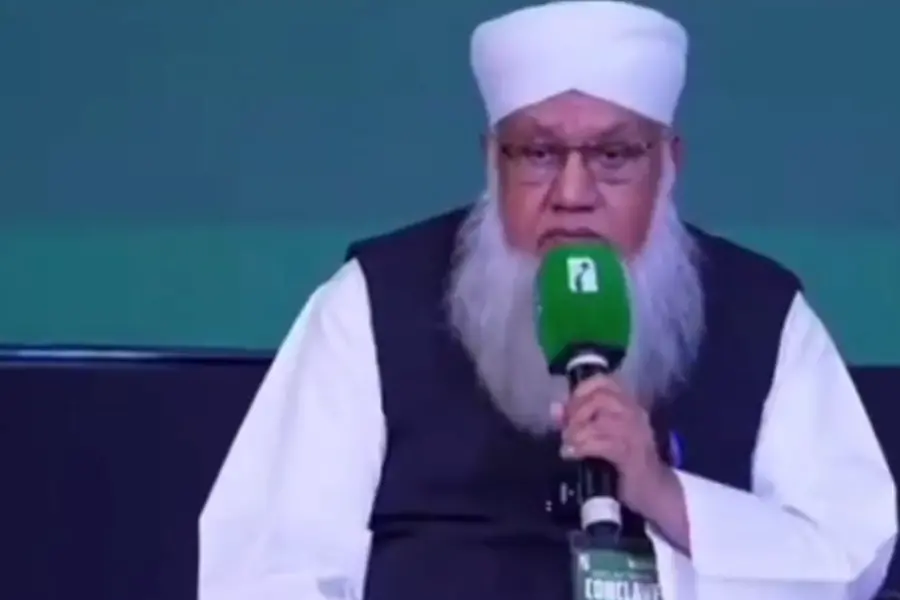
A cleric speaking at an Islamic gathering has triggered a major controversy after claiming that several communities commonly included within India's Hindu population should not be considered Hindus at all, prompting criticism on social media and reigniting debates over identity, demography and religion.
Maulana Khalilur Rahman Sajjad Nomani, whose remarks from the event have gone viral online, asserted that Hindus are not a majority in India if various communities are counted separately. In his speech, he argued that groups such as Sikhs, Buddhists, Scheduled Castes, Adivasis, Lingayats and even the people of Tamil Nadu should not be classified as Hindus.
The comments quickly drew attention online, with many users accusing the cleric of attempting to divide communities along religious and social lines. Critics described the remarks as dangerous and inflammatory, arguing that such statements risk deepening existing social fault lines.
Claiming to have spent nearly three decades travelling across India and studying the country's demographic and social realities, the Maulana said his conclusions were based on what he described as extensive ground-level research. Referring to a religious oath, he insisted that Hindus could not be regarded as a majority once various caste, tribal and faith-based identities were counted separately.
In particular, he argued that Adivasi communities represent the country's original inhabitants and should not be grouped under the Hindu umbrella. He also maintained that Scheduled Castes, Sikhs, Christians, Buddhists, Lingayats and Tamil communities possess distinct identities that set them apart from Hinduism.
The cleric further criticised what he called the long-standing distinction between "secular Hindus" and "communal Hindus," claiming that this political understanding had misled sections of the Muslim community. According to him, the strategy ultimately benefited forces he described as hardline Hindu groups.
He also claimed that growing numbers of people across different regions are openly asserting identities separate from Hinduism. As an example, he alleged that community meetings in parts of western Uttar Pradesh and Haryana have seen participants discussing the possibility of identifying themselves as Sikhs in official records, though he did not provide evidence for the assertion.
Published: 18 Jun 2026, 04:00 pm IST
Related Topics
Disclaimer: Kindly avoid objectionable, derogatory, unlawful and lewd comments, while responding to reports. Such comments are punishable under cyber laws. Please keep away from personal attacks. The opinions expressed here are the personal opinions of readers and not that of Mathrubhumi.
