
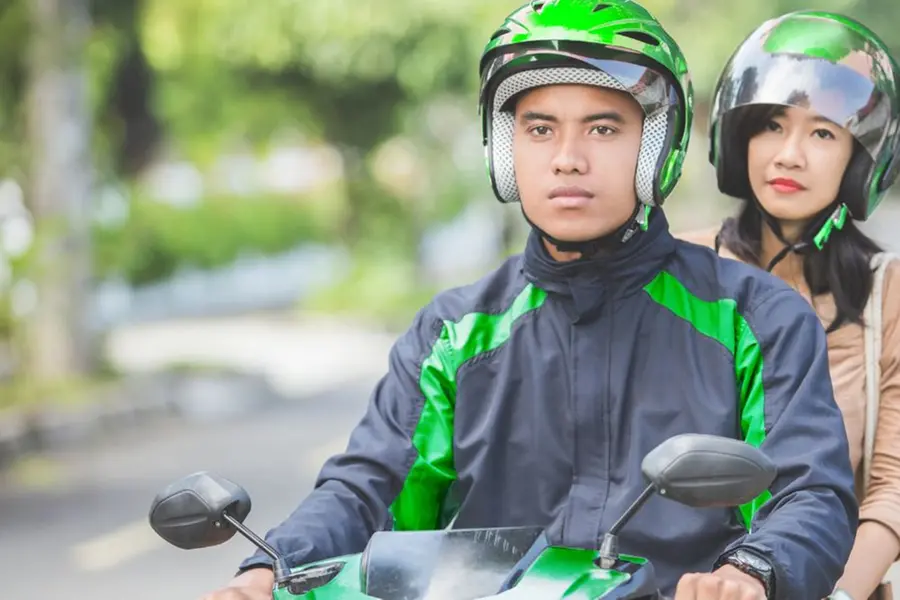
Mumbai: In a move to ease traffic congestion and cut down vehicular pollution, the Maharashtra government has cleared the way for bike pooling, allowing individuals to legally share two-wheeler rides for a fare. This decision, approved by the state Cabinet on April 1, comes alongside the green light for electric bike taxis.
Though the final rules are yet to be framed, the scheme is expected to allow private two-wheeler owners to monetise their everyday commutes by giving rides to others heading in the same direction.
Bike pooling to be legalised soon
Bike pooling is a shared mobility concept where two-wheeler owners can offer seats to co-passengers travelling along similar routes. Unlike bike taxis—where passengers hire a two-wheeler through an app for a full ride—bike pooling is more informal and intended to split costs, not turn a profit. However, Maharashtra’s model will allow pooling through aggregator apps, and only electric two-wheelers will be eligible.
A senior transport department official confirmed that private two-wheelers registered on aggregator platforms will be allowed to share rides once the new rules are notified. “Bike taxi aggregators will include bike pooling on their mobile platforms, and similar to bike taxis, only e-bikes will be eligible for pooling,” the official said.
The move could make Maharashtra the first state in India to formally legalise bike pooling, even though bike taxis already operate in states like Goa and Karnataka.
Traffic and pollution a growing concern
With over 4 crore vehicles already on its roads and 25 lakh more added annually, Maharashtra has seen worsening traffic bottlenecks and increased air pollution. During this year’s Gudhi Padwa alone, 87,000 vehicles were registered within a single week.
Authorities believe that promoting shared rides could help counter these trends. Transport Commissioner Vivek Bhimanwar said the Cabinet’s decision aligns with the Centre’s Aggregator Policies of 2014 and 2020, which encourage car and bike pooling to curb congestion and pollution. “It is not a commercial activity but a way for the ride-giver to recover minimal costs,” he explained.
The policy allows each private vehicle to offer up to four intra-city rides per day and two inter-city rides per week. Mandatory requirements include insurance coverage of at least ₹5 lakh for ride-sharing passengers and police verification of the vehicle owner.
Experts raise safety and legal concerns
While the policy is being hailed as a progressive move, some retired transport officials have voiced reservations. They argue that car pooling should have been prioritised instead, given the scale of urban traffic congestion. One former official said, “I don’t think there was any need for bike pooling, though car pooling was necessary.”
Another former RTO officer flagged concerns about passenger safety. Two-wheelers, he noted, account for nearly 70 per cent of total road accidents in the state and offer little physical protection. “Considering the risk factors, the government should not have allowed bike taxis or bike pooling, as both pose equal safety risks,” he said.
Currently, car pooling remains technically illegal in Maharashtra, though it operates openly in cities via app-based platforms, mostly escaping regulatory oversight.
(With inputs from PTI)
Published: 13 Apr 2025, 08:38 pm IST
Related Topics
Disclaimer: Kindly avoid objectionable, derogatory, unlawful and lewd comments, while responding to reports. Such comments are punishable under cyber laws. Please keep away from personal attacks. The opinions expressed here are the personal opinions of readers and not that of Mathrubhumi.
