
External Affairs Minister S Jaishankar underlined India’s twin-track neighbourhood doctrine — cooperation for friendly neighbours and zero tolerance for those linked to terrorism — while expressing hope for stronger ties with Bangladesh after its elections.
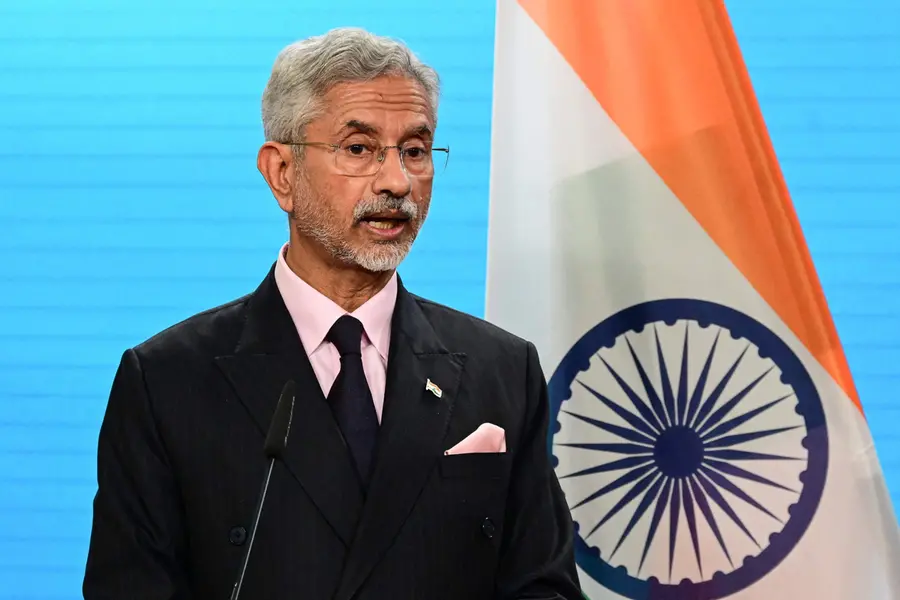
New Delhi: India’s External Affairs Minister S Jaishankar on Friday reiterated a nuanced but assertive “Neighbourhood First” doctrine, emphasizing that while India offers cooperation and support to willing neighbours, it will not tolerate terrorism or harbouring of extremists from neighbouring states.
Speaking shortly after concluding an official visit to Bangladesh, Jaishankar stressed New Delhi’s focus on investment, public health cooperation, energy ties, and economic assistance as core elements of its regional engagement. He said India’s growth trajectory and its shared interests offer significant benefits to all neighbours prepared to engage constructively.
However, in pointed comments widely interpreted as directed at Pakistan, the minister underscored that countries which “persist with terror” cannot expect the same positive approach. He reiterated that India has the sovereign right to defend its citizens without hesitation and made clear that continued tolerance or sponsorship of terror poses a barrier to improved bilateral relations.
Jaishankar’s remarks come against the backdrop of recent tensions following terror attacks traced to Pakistan-linked groups, which India has repeatedly criticised and linked to cross-border militancy. New Delhi has also taken a more uncompromising stance in recent years — including suspension of key treaties and other punitive measures — as part of a broader “zero-tolerance” approach to terrorism.
In Bangladesh, the minister expressed hope that political developments following the country’s elections would further strengthen ties and regional cooperation. India and Bangladesh already work closely on connectivity, trade, and security issues, and Dhaka occupies a pivotal place in India’s broader Indo-Pacific and neighbourhood engagement strategies.
Analysts say Jaishankar’s messaging signals India’s intent to balance diplomatic generosity with deterrence — rewarding cooperative neighbours while making it clear that destabilising behaviour will not be ignored. India’s neighbourhood doctrine now couples development diplomacy with assertive defense of its core security interests.
Published: 02 Jan 2026, 02:26 pm IST
Disclaimer: Kindly avoid objectionable, derogatory, unlawful and lewd comments, while responding to reports. Such comments are punishable under cyber laws. Please keep away from personal attacks. The opinions expressed here are the personal opinions of readers and not that of Mathrubhumi.
