
The Dubai Airshow crash was the second such incident involving Tejas in its decade-long service with the Indian Air Force.
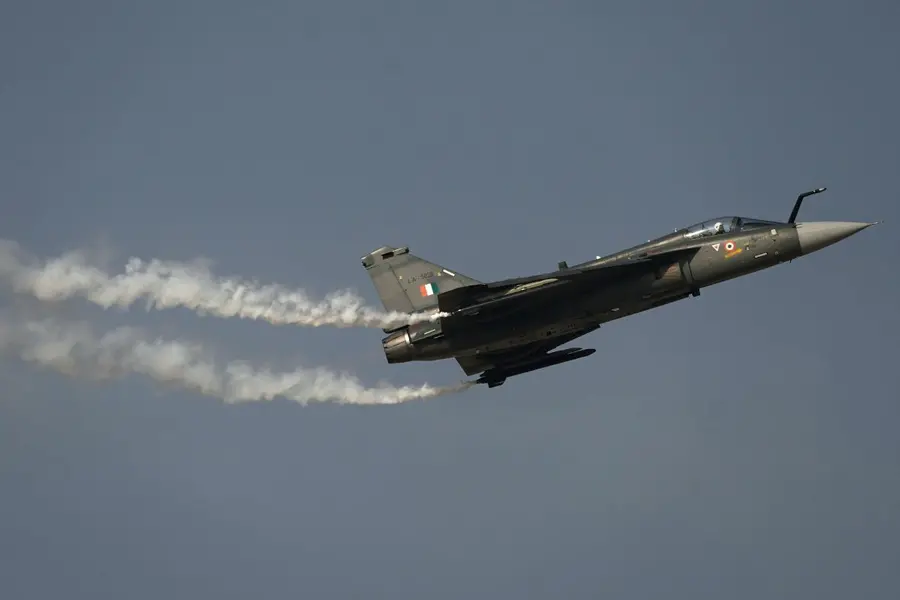
New Delhi: Hindustan Aeronautics Limited (HAL) Chairman and Managing Director DK Sunil on Friday asserted that the recent Tejas crash at the Dubai Airshow will not affect the aircraft’s future prospects, emphasising its strong safety record and indigenous technological achievements.
Speaking at ANI’s National Security Summit, Sunil said the Tejas light combat aircraft remains fully reliable despite the tragic accident. “There is absolutely no problem with the Tejas, it is absolutely safe, and its safety record is the best in the world. What you saw in Dubai was an unfortunate incident,” he said.
Also Read

Highlighting the years of research and development behind the project, the HAL chief described Tejas as a symbol of India’s growing aerospace capabilities. “I think as countries evolve and develop their own technology, we go through phases. We had this 4.5-generation aircraft with the latest capability. It is a resounding success, and we should all be proud of it,” he noted.
Sunil added that criticism would not hinder India’s progress in defence manufacturing. “I think there will always be naysayers and raising questions, but it will not deter us from going from strength to strength. I can absolutely assure you it is an absolutely safe aircraft and it will have no impact on the future of Tejas,” he said.
He also underlined HAL’s push towards increasing defence exports in line with the government’s vision. “It is the policy of the government that we should become global. The exports are an outcome of the outreach of the Government of India and the company. It is a logical extension of the capacity we are building,” he added.
The Dubai Airshow crash was the second such incident involving Tejas in its decade-long service with the Indian Air Force. A previous mishap near Jaisalmer in March last year saw the pilot eject safely.
The IAF earlier confirmed that the pilot, Wing Commander Namansh Syal, lost his life after the aircraft went down during a low-level aerobatic display at Al Maktoum International Airport on Friday. The Tejas Mark-1 aircraft was performing an eight-minute routine when it failed to recover from a low-altitude “negative G-turn,” leading to a fatal crash.
Published: 28 Nov 2025, 10:50 am IST
Related Topics
Disclaimer: Kindly avoid objectionable, derogatory, unlawful and lewd comments, while responding to reports. Such comments are punishable under cyber laws. Please keep away from personal attacks. The opinions expressed here are the personal opinions of readers and not that of Mathrubhumi.