
India’s withdrawal from the Ayni airbase in Tajikistan marks the end of a two-decade-long strategic foothold in Central Asia
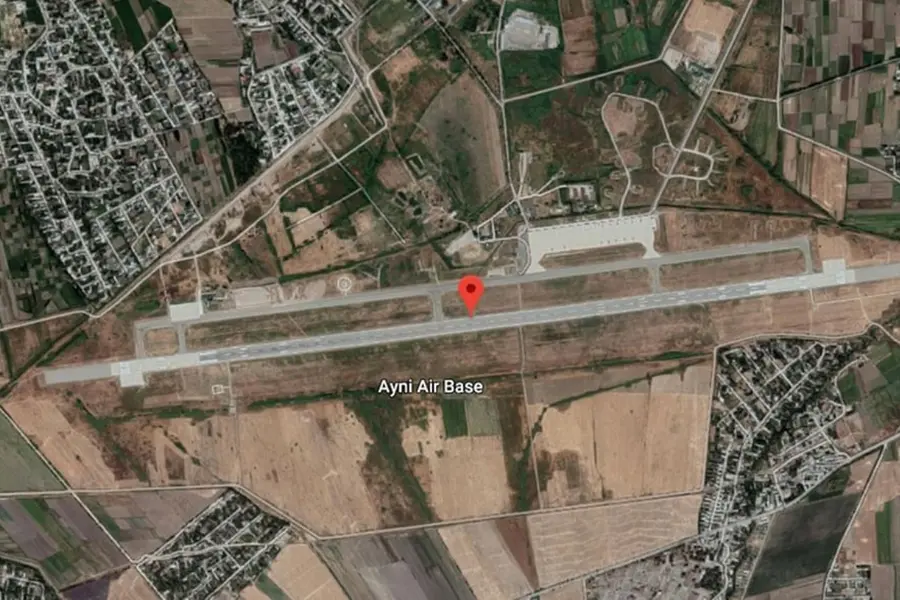
India has wrapped up its military operations at the Ayni airbase in Tajikistan, ending over two decades of strategic presence in Central Asia. The move has been criticised by the Congress, which described it as “yet another setback” to India’s strategic diplomacy.
The Ayni airbase, located near Tajikistan’s capital Dushanbe, was developed by India in the early 2000s under a bilateral agreement. Funded by the Ministry of External Affairs (MEA) and supported by the Border Roads Organisation (BRO), the project was part of New Delhi’s effort to gain a foothold in Central Asia following the fall of the Soviet Union. The facility offered India a valuable vantage point close to Afghanistan and Pakistan, enhancing its regional military reach.
Also Read

Congress leader Jairam Ramesh, reacting to reports of India’s withdrawal, said the Ayni base had been a major diplomatic and defence initiative, with substantial investment and long-term strategic planning. “Given its extraordinary location, India had major plans for expanding its presence at Ayni,” he said.
End of the Ayni airbase operation
India’s presence at the Ayni airbase ended after the lease agreement between New Delhi and Dushanbe expired in 2022 and was not renewed. According to sources cited by PTI and ThePrint, Tajikistan declined to extend the lease, reportedly due to pressure from Russia and China over hosting non-regional military forces.
The withdrawal of Indian personnel and military equipment concluded by early 2023. The base, which once housed Indian Air Force (IAF) helicopters, maintenance crews, and logistical infrastructure, had served as a crucial forward post for India’s strategic outreach in Central Asia.
How Ayni gave India a strategic edge
India first began developing the Ayni airbase in 2002 under then Defence Minister George Fernandes. The project was strongly backed by the security establishment, including National Security Adviser Ajit Doval and former Air Chief Marshal BS Dhanoa. India reportedly spent around $100 million to upgrade the Soviet-era facility, extending its airstrip to 3,200 metres, constructing aircraft hangars, and installing refuelling systems.
For years, Ayni was seen as a counterbalance to Pakistan’s influence in the region. The base’s proximity—just 20 km from Afghanistan’s Wakhan Corridor, which borders Pakistan-occupied Kashmir—allowed India to project military capability westward. Defence experts said this could have forced Pakistan to stretch its resources in the event of conflict, offering India a tactical advantage.
The airbase also served as a key logistics hub, notably during the 2021 evacuation of Indian nationals and officials from Afghanistan following the Taliban’s takeover.
Why India’s influence in Central Asia is at stake
India’s military engagement in Tajikistan was its first and only overseas airbase project. The decision to vacate it marks a shift in the regional balance of power, as Russia and China continue to consolidate their influence in Central Asia.
Following India’s exit, Russian forces reportedly took operational control of Ayni. Analysts note that the development could narrow India’s ability to respond quickly to regional security challenges, particularly in Afghanistan, and limit its presence in a zone increasingly dominated by the Moscow–Beijing alliance.
A July 2025 analysis by Andrea Stauder, a senior analyst at BISI, highlighted that while India had opportunities to deepen its influence in Central Asia, “Russia and China remain dominant players in the region.”
From strategic asset to missed opportunity
The Ayni airbase symbolised India’s ambitions to play a larger strategic role beyond South Asia. It had been central to New Delhi’s support for the Northern Alliance during the late 1990s and early 2000s, when the group fought the Taliban regime in Afghanistan. India even operated a hospital in Farkhor, southern Tajikistan, where Northern Alliance leader Ahmad Shah Masood was treated after a fatal 2001 attack.
However, the Taliban’s resurgence in 2021 and the evolving regional dynamics reduced the base’s operational importance. With the non-renewal of the lease, India’s military footprint in Central Asia has effectively ended.
Experts argue that while India continues to maintain diplomatic and security ties in the region, the loss of the Ayni airbase represents a symbolic retreat at a time when Russia and China are deepening their presence.
India’s next steps in Central Asia, they say, will determine whether this withdrawal marks a temporary adjustment—or a long-term strategic vacuum.
(With PTI inputs)
Published: 01 Nov 2025, 11:26 am IST
Related Topics
Disclaimer: Kindly avoid objectionable, derogatory, unlawful and lewd comments, while responding to reports. Such comments are punishable under cyber laws. Please keep away from personal attacks. The opinions expressed here are the personal opinions of readers and not that of Mathrubhumi.