
New Delhi dismissed the findings as based on distorted narratives, urging the U.S. body to address rising intolerance and temple vandalism within its own borders instead.
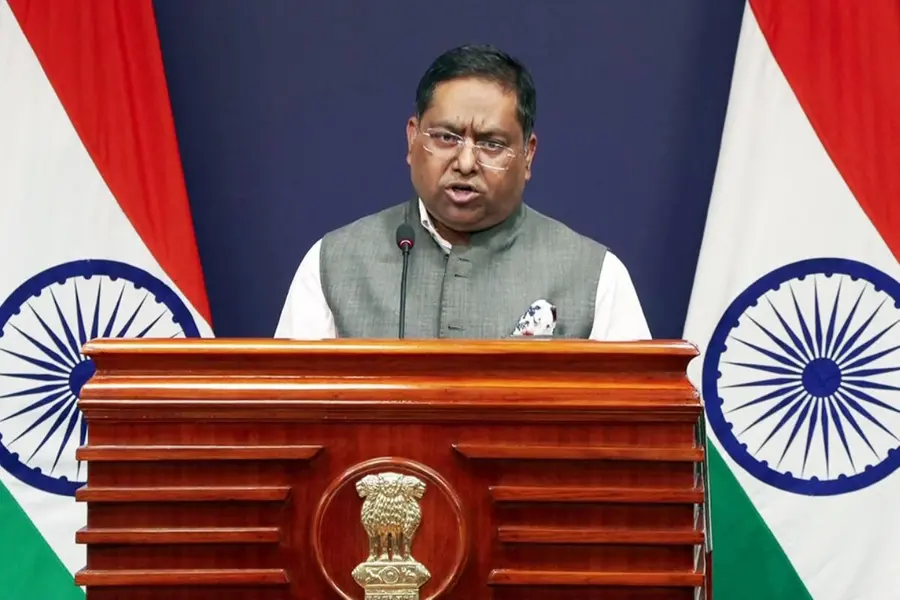
New Delhi: The Government of India on Monday formally rejected the 2026 Annual Report of the United States Commission on International Religious Freedom, characterising the findings as "motivated and biased."
In a statement issued March 16, 2026, Ministry of External Affairs spokesperson Randhir Jaiswal stated that India "categorically rejects" the report's characterisation of the country. The response follows the commission's recommendation that the U.S. State Department impose targeted sanctions on specific Indian entities and designate the nation as a "Country of Particular Concern."
Allegations of Selective Criticism
The spokesperson alleged that for several years, the commission has persisted in presenting a "distorted and selective picture of India." The Indian government claimed the body relies on questionable sources and ideological narratives rather than objective facts, asserting that such repeated misrepresentations undermine the credibility of the commission itself.
The Ministry of External Affairs suggested that the federal advisory body should instead focus its attention on incidents occurring within the United States. The statement highlighted what it described as disturbing incidents of vandalism and attacks on Hindu temples in the U.S., as well as growing intolerance and intimidation of members of the Indian diaspora.
Diplomatic Friction Over Sanctions
The latest diplomatic exchange marks a major escalation in the friction between the independent agency and New Delhi. The commission’s 2026 report specifically recommended sanctions against the Rashtriya Swayamsevak Sangh and the Research and Analysis Wing, citing them for alleged roles in religious freedom violations throughout the 2025 calendar year.
Despite the commission's persistent recommendations for sanctions and blacklisting, the U.S. State Department has historically maintained India's status as a critical strategic partner. Government officials in New Delhi maintain that the commission lacks a fundamental understanding of India's pluralistic framework and constitutional protections for all religious groups.
Published: 16 Mar 2026, 08:41 pm IST
Related Topics
Disclaimer: Kindly avoid objectionable, derogatory, unlawful and lewd comments, while responding to reports. Such comments are punishable under cyber laws. Please keep away from personal attacks. The opinions expressed here are the personal opinions of readers and not that of Mathrubhumi.
