
Two India-bound LPG tankers carrying 92,700 metric tonnes of cooking gas have crossed the Strait of Hormuz after diplomatic outreach by India, easing concerns over supply disruptions.
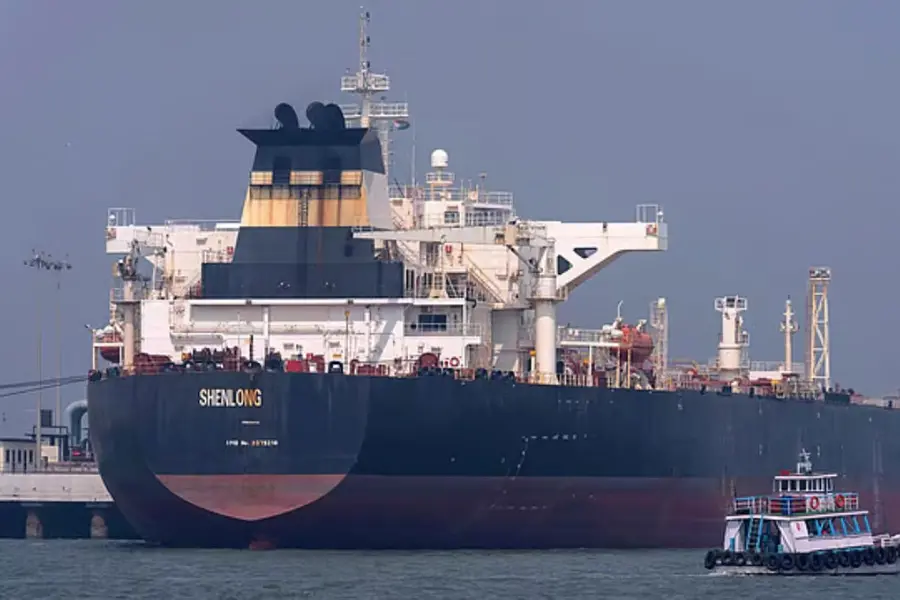
India is set to receive 92,700 metric tonnes of liquefied petroleum gas (LPG) this week after two India-bound tankers successfully crossed the strategically important Strait of Hormuz, following diplomatic engagement between New Delhi and Tehran.
The vessels, Shivalik and Nanda Devi, were carrying LPG cargo destined for India when tensions in West Asia raised concerns about shipping through the narrow waterway. The ships have now cleared the strait and are expected to arrive at Indian ports later this week, providing relief amid fears of supply disruption.
The development comes after a series of diplomatic efforts by India to ensure safe passage for its vessels in the region. External Affairs Minister S. Jaishankar reportedly held multiple rounds of discussions with Iranian officials regarding the safety of Indian ships and cargo passing through the strait.
Prime Minister Narendra Modi also reached out to the Iranian leadership during the crisis, highlighting the importance of maintaining uninterrupted shipping routes and ensuring the safety of energy supplies bound for India.
The Strait of Hormuz, located between Iran and Oman, is one of the most important maritime corridors in the world. A significant portion of global oil and gas shipments passes through the narrow channel, making it a critical route for energy-importing nations like India.
However, escalating tensions in the region in recent days have raised fears of potential disruptions to maritime traffic. Several vessels reportedly slowed down or waited for clearance before entering the strait as security concerns grew.
Against this backdrop, the safe crossing of the two LPG tankers carrying 92,700 metric tonnes of cooking gas is being seen as an important development for India’s energy supply chain.
India relies heavily on imports to meet its domestic LPG demand, which is primarily used as cooking fuel in millions of households across the country. Any disruption to shipments can create pressure on supply and distribution systems.
Officials said the government has been closely monitoring the situation in West Asia and coordinating with regional authorities to ensure the safe movement of Indian ships and cargo. With the tankers now on their way to India, the incoming LPG cargo is expected to help maintain stable supplies in the near term.
Even as the situation in the region remains volatile, authorities said diplomatic engagement and coordination with international partners will continue to ensure the uninterrupted flow of essential energy shipments to India.
Published: 14 Mar 2026, 06:35 pm IST
Related Topics
Disclaimer: Kindly avoid objectionable, derogatory, unlawful and lewd comments, while responding to reports. Such comments are punishable under cyber laws. Please keep away from personal attacks. The opinions expressed here are the personal opinions of readers and not that of Mathrubhumi.
