
Lok Sabha Speaker Om Birla will represent India at Bangladesh’s swearing-in ceremony on February 17, a visit loaded with diplomatic signals as the BNP prepares to assume power under Tarique Rahman.
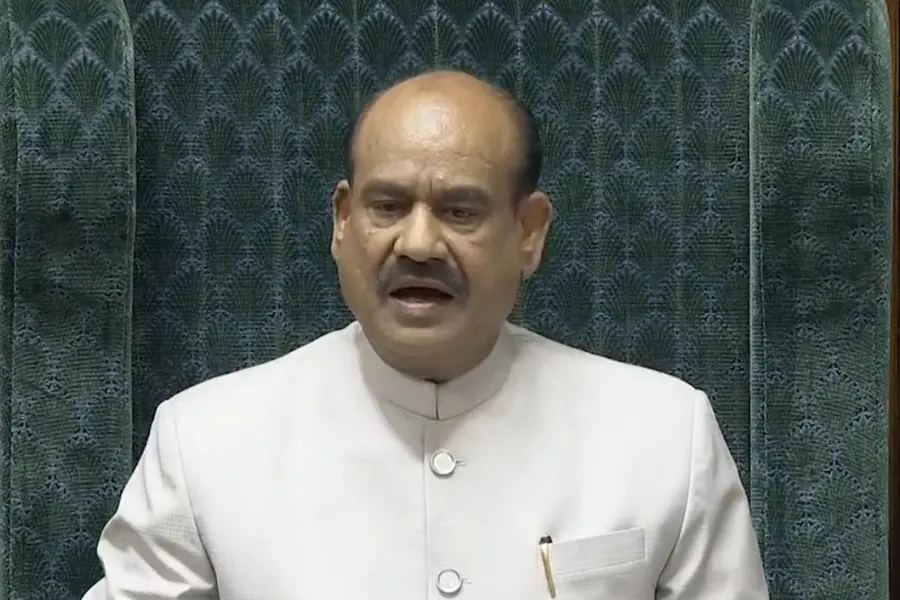
New Delhi/Dhaka: India announced on Sunday that Lok Sabha Speaker Om Birla will travel to Dhaka to represent the Government of India at the swearing-in ceremony of Bangladesh’s next government scheduled for Tuesday, February 17.
He will be accompanied by Foreign Secretary Vikram Misri, marking a senior diplomatic presence in the Bangladeshi capital.
Also Read

The swearing-in comes after the Bangladesh Nationalist Party (BNP) secured a commanding victory in the 13th Jatiya Sangsad elections held on February 12.
Official and media reports show the BNP winning over 209 seats in the new parliament, an emphatic mandate that paves the way for its chairman, Tarique Rahman, to become the next prime minister.
Prime Minister Narendra Modi, although invited to the event, will not attend due to a prior diplomatic commitment in India on the same day. New Delhi sources say the decision reflects both the importance of the Bangladesh transition and domestic engagements of India’s leadership.
In an official statement, India’s Ministry of External Affairs said Speaker Birla’s participation demonstrates “the deep and enduring friendship between the peoples of India and Bangladesh” and reaffirms India’s support for democratic processes in the neighbouring country.
Delhi has emphasised that longstanding cultural and historical ties will continue to anchor bilateral relations through this political shift.
Bangladesh’s political shift
The BNP’s decisive win in this election marks the party’s return to power after years in opposition and follows a period of significant political turbulence, including the overthrow of former prime minister Sheikh Hasina.
The BNP’s landslide is seen as a vindication of the electorate’s desire for change, with Rahman himself returning from a 17-year exile in London late last year and swiftly steering his party to majority rule in Dhaka.
Political analysts note that this dramatic electoral outcome, achieved in the wake of a youth-led uprising and a transition government, could herald new policy priorities and a potential rebalancing of regional geopolitics.
Some observers suggest that Dhaka’s engagements with New Delhi may take on new dimensions as the BNP administration settles in, even as both countries seek to avoid disruptions in trade, security cooperation, and cross-border ties.
What to watch
- Diplomatic signals: India’s choice to send a high-level delegation reinforces a commitment to stable bilateral relations.
- Policy priorities: BNP leaders have pledged to focus on economic revival and democratic consolidation — key areas where India and Bangladesh share mutual interests.
- Regional impact: South Asia’s strategic landscape may adjust as Bangladesh’s government resets external policy strategies under new leadership.
Published: 15 Feb 2026, 05:04 pm IST
Related Topics
Disclaimer: Kindly avoid objectionable, derogatory, unlawful and lewd comments, while responding to reports. Such comments are punishable under cyber laws. Please keep away from personal attacks. The opinions expressed here are the personal opinions of readers and not that of Mathrubhumi.