
The Directorate General of Civil Aviation (DGCA) confirmed the massive disruptions, putting major airports on high alert to manage diversions and assist passengers.
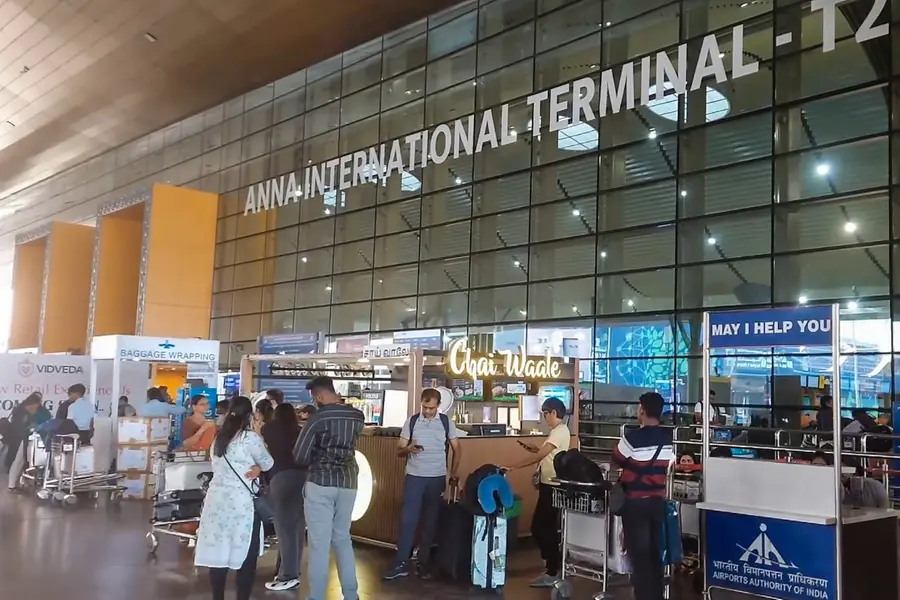
New Delhi: India’s aviation authorities reported massive disruptions to air travel through the weekend, with nearly 900 flights cancelled as a direct result of ongoing military hostilities and subsequent airspace closures across Iran and the Middle East.
According to the Directorate General of Civil Aviation (DGCA), 410 domestic carrier flights were grounded on Feb. 28, with an additional 444 cancellations projected for March 1. The agency stated it is "maintaining close coordination with airlines to ensure full compliance with safety and operational regulations."
Airports on High Alert
Major international hubs across India have been placed on operational alert to accommodate emergency diversions and manage the influx of displaced travellers. Senior officials have been deployed to terminal floors to oversee crowd management and streamline passenger facilitation as schedules remain in flux.
"Passengers are advised to check and confirm their flight status with the respective airlines before proceeding to the airport," the DGCA noted in its latest advisory.
Grievance Redressal and Support
To manage the logistical fallout, the Ministry of Civil Aviation’s Passenger Assistance Control Room (PACR) has intensified monitoring of traveller concerns. On Feb. 28 alone, the government’s AirSewa portal recorded 216 formal grievances related to the regional crisis.
- Resolution Progress: Officials confirmed that 105 of those grievances were resolved within the same 24-hour period.
- Coordinated Response: "All stakeholders are working in coordination to ensure orderly handling of affected passengers and timely assistance to all concerned travellers," the Ministry stated.
ALSO READ: Iran media confirms deaths of Khamenei’s daughter, son-in-law, and granddaughter in Tehran strikes
The aviation crisis mirrors broader regional paralysis, as the United Arab Emirates and Iraq also shuttered their airspace following retaliatory Iranian missile strikes against U.S. and Israeli targets. Indian officials emphasised that terminal assistance and airline coordination remain the top priorities as long as the regional volatility persists.
Published: 01 Mar 2026, 06:56 am IST
Disclaimer: Kindly avoid objectionable, derogatory, unlawful and lewd comments, while responding to reports. Such comments are punishable under cyber laws. Please keep away from personal attacks. The opinions expressed here are the personal opinions of readers and not that of Mathrubhumi.
