
India mandates blue strip on all antibiotics to combat antimicrobial resistance (AMR). Learn how this new labelling rule aims to curb over-the-counter misuse and protect public health
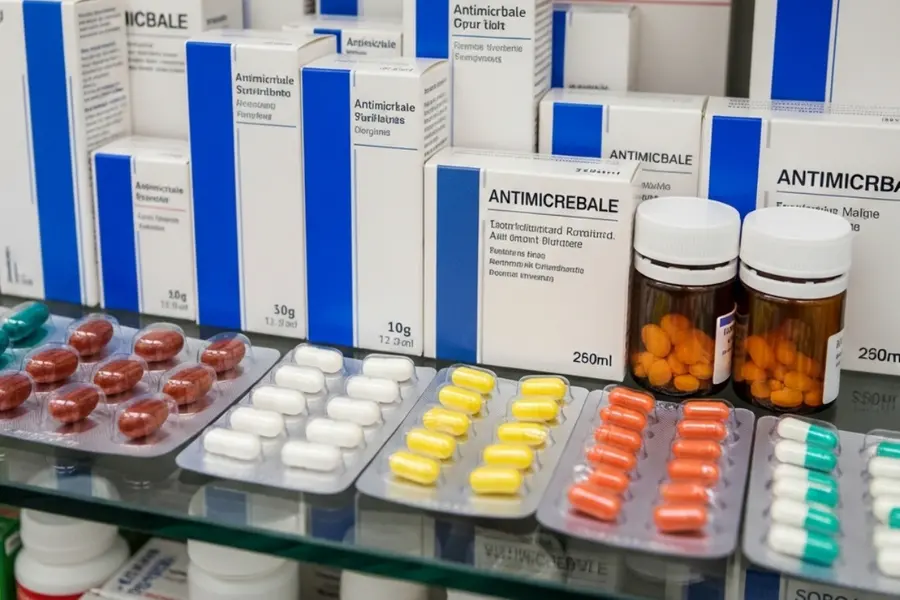
The Union health ministry has proposed new draft rules requiring all antimicrobial drugs to display a blue vertical strip on their packaging to curb over-the-counter misuse and combat the rising public health threat of antimicrobial resistance (AMR) in India.
Blue strip labelling: a visual warning for antibiotic misuse
In a gazette notification dated 23 January 2026, the Centre announced a draft amendment under Rule 95 of the Drugs Rules, 1945, mandating that all antimicrobial drugs—such as antibiotics, antivirals, and antifungals—bear a conspicuous blue vertical strip on the left side of the label. The move aims to make these medicines instantly recognisable, alerting consumers and pharmacists to their prescription-only status and discouraging rampant over-the-counter (OTC) purchases.
Stakeholders have been given 30 days to provide feedback, after which the amendment is expected to come into force upon final publication in the Official Gazette. Officials said the proposal follows consultations with the Drugs Technical Advisory Board (DTAB), the apex advisory body for drug regulations in India.
AMR: India’s silent public health crisis
Experts warn that overuse of antibiotics is creating drug-resistant infections that could make common illnesses untreatable. According to Dr Kamini Walia, senior scientist at the Indian Council of Medical Research (ICMR), “One in 10 patients admitted with infections are resistant to last-resort antibiotics.”
The Institute of Health Metrics and Evaluation, Washington University, estimates that 2,67,000 deaths in India were attributable to AMR in 2021. High resistance rates—such as 83% of Indians carrying resistant bacteria in some studies—underscore the urgent need for regulatory interventions.
Also read: Bangladesh out, Scotland in: BCB formally rejects ICC ultimatum to play T20 World Cup in India
Government actions to strengthen AMR control
The Centre’s blue strip initiative complements other measures under NAP-AMR 2.0, the second version of the National Action Plan on Antimicrobial Resistance, including:
- Limiting OTC sales of antibiotics through strict pharmacist compliance.
- Extending AMR monitoring to animal health to curb potential human transmission.
- Public awareness campaigns led by Prime Minister Narendra Modi, Health Minister JP Nadda, and Home Minister Amit Shah to highlight the dangers of antibiotic misuse.
Antibiotic market and public impact
Antimicrobials constitute the third-largest therapy segment in India’s pharmaceutical market, with sales reaching ₹27,500 crore in 2025. Antibiotics accounted for 86% of anti-infective sales, followed by antifungals (7%) and antivirals (4%).
With projected global AMR deaths expected to reach 10 million by 2050, India’s share could be around 2 million, making this regulatory intervention critical to safeguarding public health and preserving the efficacy of modern medicine.
The road ahead
The blue strip labelling is designed as a simple yet impactful visual cue to reduce antibiotic overuse. Experts say that while labelling alone cannot solve AMR, it is a step forward in integrating regulatory oversight with public awareness, potentially curbing one of the fastest-growing health crises in India.
Published: 24 Jan 2026, 08:20 am IST
Disclaimer: Kindly avoid objectionable, derogatory, unlawful and lewd comments, while responding to reports. Such comments are punishable under cyber laws. Please keep away from personal attacks. The opinions expressed here are the personal opinions of readers and not that of Mathrubhumi.
