
Drug-resistant bacteria infections, driven by the NDM gene, have increased dramatically in the US, posing a serious threat to public health.
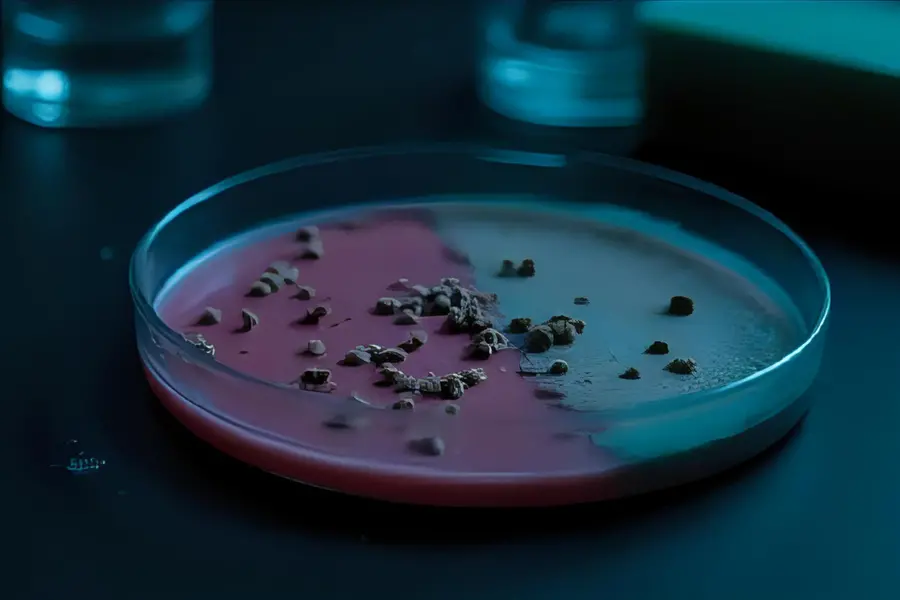
In recent years, infection rates from drug-resistant bacteria known as “nightmare bacteria” have been rising dramatically in the United States. But what exactly are these bacteria, and why are they causing so much concern among health experts?
“Nightmare bacteria” refer to strains of bacteria that have developed resistance to multiple antibiotics, making infections difficult to treat. A particular gene called NDM (New Delhi metallo-beta-lactamase) has been identified as a major driver behind this increase in resistant infections.
According to a new report by the Centers for Disease Control and Prevention (CDC), infection rates from these drug-resistant bacteria rose almost 70% between 2019 and 2023. Bacteria carrying the NDM gene were once considered exotic, mainly linked to patients who had received medical care overseas. However, the rate of such cases in the U.S. has jumped more than fivefold in recent years.
David Weiss, an infectious diseases researcher at Emory University, described the situation as serious, saying, “The rise of NDMs in the U.S. is a grave danger and very worrisome.”
One of the biggest challenges is that only two antibiotics currently work against infections caused by bacteria with the NDM gene. Moreover, these drugs are expensive and must be administered intravenously, complicating treatment further.
CDC scientists warn that many people could be unrecognised carriers of these drug-resistant bacteria, potentially leading to community spread. Dr. Maroya Walters, one of the report’s authors, explained, “That may play out in doctors’ offices across the country, as infections long considered routine, like urinary tract infections, could become harder to treat.”
The rise of “nightmare bacteria” is largely linked to antimicrobial resistance, a phenomenon where germs such as bacteria and fungi develop the ability to fight off drugs designed to kill them. Misuse of antibiotics, such as unfinished courses or unnecessary prescriptions, has accelerated this problem by allowing germs to become stronger.
The CDC’s recent attention to “nightmare bacteria” includes those resistant to carbapenems, a class of antibiotics considered the last resort for treating serious infections. The report compiled data from 29 states that conduct testing and reporting of carbapenem-resistant bacteria, recording 4,341 cases in 2023. Of these, 1,831 cases were linked to the NDM gene.
The overall rate of carbapenem-resistant infections rose from just under 2 per 100,000 people in 2019 to over 3 per 100,000 in 2023,a 69% increase. More strikingly, cases involving NDM bacteria rose from around 0.25 to about 1.35 per 100,000, a 460% jump.
Dr. Jason Burnham, a Washington University researcher not involved in the study, connected this surge to the COVID-19 pandemic, noting, “We know that there was a huge surge in antibiotic use during the pandemic, so this likely is reflected in increasing drug resistance.”
Despite these numbers, the CDC acknowledges that the true scope of the problem is likely underestimated. Many states do not fully test or report cases, and some large states like California, Florida, New York, and Texas were missing from the data. Dr. Burnham noted, “The absolute number of U.S. infections is definitely underestimated.”
This isn’t the first time a rise in nightmare bacteria has been reported. A CDC study published in June highlighted increasing NDM cases in New York City between 2019 and 2024.
In summary, “nightmare bacteria” are dangerous, drug-resistant germs increasingly threatening public health due to their ability to evade most antibiotics. Preventing their spread will require careful antibiotic use and enhanced surveillance to identify and control infections.
Published: 24 Sept 2025, 09:43 pm IST
Related Topics
Disclaimer: Kindly avoid objectionable, derogatory, unlawful and lewd comments, while responding to reports. Such comments are punishable under cyber laws. Please keep away from personal attacks. The opinions expressed here are the personal opinions of readers and not that of Mathrubhumi.
