
Despite its tech-sounding name, bluetoothing has nothing to do with phones or wireless devices.
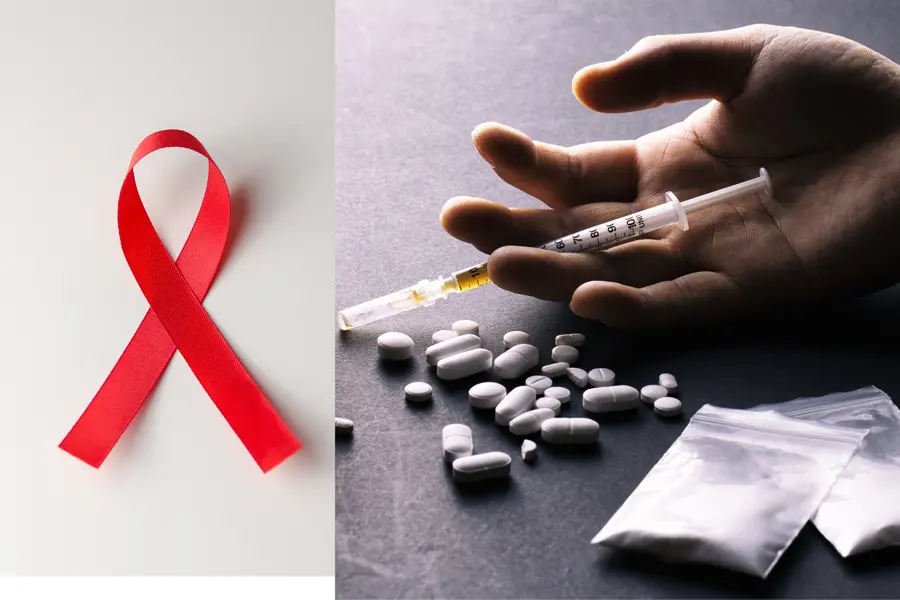
A dangerous new drug trend called ‘bluetoothing’, also known as ‘flashblooding’, is raising alarm among health experts around the world for causing a sharp rise in HIV infections, especially in countries like Fiji, South Africa, Tanzania, and Pakistan.
Despite its tech-sounding name, bluetoothing has nothing to do with smartphones. It’s a risky and life-threatening practice where one drug user injects themselves with heroin or meth, and then others use a syringe to draw and inject that person’s blood into their own bodies to try and feel the same high.
Doctors say this method rarely works and is extremely dangerous, as it can spread HIV, hepatitis, and other deadly diseases. Even injecting blood from someone with a different blood type can cause severe health problems.
“In settings of severe poverty, it is a cheap method of getting high with a lot of consequences,” said Professor Brian Zanoni of Emory University, who has studied drug-injecting behaviours in South Africa.
Fiji’s HIV epidemic among world’s fastest growing
In Fiji, the number of HIV cases has exploded in recent years — from under 500 in 2014 to nearly 5,900 cases by 2024, according to data from UNAIDS. In just the first nine months of 2024, over 1,093 new HIV infections were recorded, with more than 200 directly linked to drug injection methods like bluetoothing.
The country’s Ministry of Health has identified bluetoothing, unsafe sex (chemsex), and reusing dirty needles as major causes of the outbreak. Young people, especially those aged 15 to 34, are being hit the hardest.
Eamonn Murphy, head of the UNAIDS regional support teams for Asia Pacific and Eastern Europe, described the situation as deeply worrying.
“We are seeing young kids dying from HIV, children who have been involved in drug use and sex,” he said, noting the epidemic's disproportionate impact on youth aged 15 to 34.
Professor Brian Zanoni’s research has shown that in South Africa, around 18% of people who inject drugs have tried bluetoothing. The practice has also been documented in urban and suburban areas of Tanzania, particularly among women living in temporary shelters.
What’s driving the trend?
Health workers say people are driven to these extreme practices due to poverty, high drug costs, limited healthcare access, and lack of education about the risks.
UNAIDS and other global health bodies are urging governments to act quickly by:
Making PrEP (preventive medication) more available
Providing clean needles and harm-reduction services
Expanding HIV testing and same-day treatment
Experts warn that without urgent action, the spread of HIV through practices like bluetoothing could worsen, especially among vulnerable youth.
Published: 14 Oct 2025, 08:22 pm IST
Disclaimer: Kindly avoid objectionable, derogatory, unlawful and lewd comments, while responding to reports. Such comments are punishable under cyber laws. Please keep away from personal attacks. The opinions expressed here are the personal opinions of readers and not that of Mathrubhumi.
