
Indian airlines face rising jet fuel costs as Middle East conflict pushes ATF prices higher, increasing pressure on fares and airline finances.
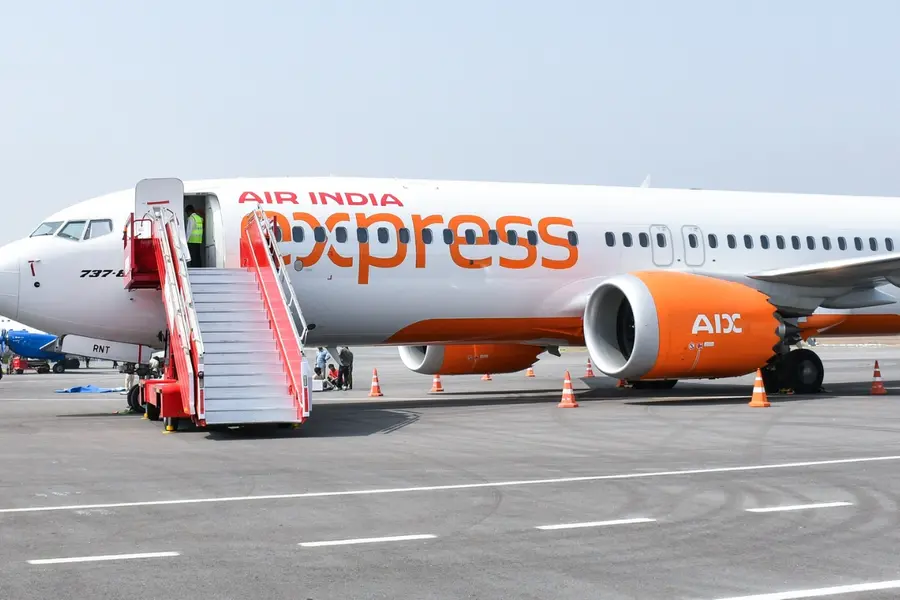
India’s aviation industry is once again staring at a major financial challenge as airlines struggle to cope with soaring jet fuel prices triggered by the ongoing conflict in the Middle East.
According to Blomberg report, leading Indian carriers including Air India, IndiGo and SpiceJet have approached state-run oil refiners requesting them not to increase Aviation Turbine Fuel (ATF) prices for domestic flights until the geopolitical situation stabilises.
Also Read

The move highlights the growing stress within India’s airline sector, where rising fuel costs, weak passenger demand, a falling rupee and operational disruptions are all hitting profitability at the same time.
Why jet fuel prices matter
For a common traveller, higher fuel prices simply mean more expensive air tickets. But for airlines, the issue runs much deeper.
Fuel accounts for nearly 40% of an airline’s total operating costs in India, far higher than in many global markets because of taxes and pricing structures. When crude oil prices surge internationally, airlines immediately feel the impact.
Since the Iran conflict escalated, global oil prices have risen sharply, pushing up jet fuel costs worldwide. International jet fuel prices reportedly doubled in April and climbed further in May. Indian airlines operating long-haul international flights have already been forced to absorb significantly higher costs.
Domestic ATF prices in India, however, have been partially shielded due to government intervention.
Government steps in
Unlike many global markets, India’s aviation fuel pricing has recently seen indirect government intervention despite being officially deregulated. In April, after global oil prices surged, the government reportedly stepped in to cap the increase in domestic jet fuel prices at 25%. It also instructed oil marketing companies to maintain prices through May to avoid placing additional pressure on airlines already dealing with heavy losses.
Now, with oil refiners considering another increase from June 1, airlines are lobbying aggressively for the freeze to continue until tensions in the Middle East ease.
The situation is politically and economically sensitive because India’s aviation sector is still recovering from years of post-pandemic financial strain.
Oil Companies under pressure
The crisis is not one-sided. State-owned refiners such as Indian Oil Corporation, Hindustan Petroleum and Bharat Petroleum are themselves reportedly selling domestic aviation fuel below actual market cost.
According to the report, refiners are incurring heavy losses on every kilolitre of fuel sold for domestic aviation operations. This has created a difficult balancing act for the government, protecting airlines without financially hurting state-owned oil companies.
Airlines Facing Multiple Crises Together
The fuel issue comes at a particularly difficult time for Indian carriers.
Apart from rising ATF costs, airlines are also dealing with higher aircraft leasing expenses due to the weakening rupee, rising overseas airport and navigation charges paid in US dollars, aircraft shortages due to delayed deliveries from Boeing and Airbus, higher maintenance costs linked to ageing fleets and engine reliability issues and reduced passenger demand caused by rising airfares.
International operations have become even more expensive because Indian airlines can no longer use Pakistani airspace and are now also facing disruptions around Iranian airspace due to the Middle East conflict. This has increased flight times, fuel burn and operational complexity for flights to Europe and North America.
For travellers, the impact is already visible. Airfares on both domestic and international routes have risen steadily over recent months. Some airlines have also reduced flight frequencies on weaker routes to control operating losses.
Industry experts believe that if fuel prices continue rising unchecked, airlines may be forced to further increase ticket prices or rationalise operations during weaker travel periods.
India remains one of the world’s fastest-growing aviation markets, but the current crisis underlines how vulnerable the industry remains to global geopolitical shocks and energy price volatility.
While temporary government intervention may offer short-term relief, the situation also raises larger questions about India’s aviation fuel taxation structure, dependence on imported oil and the financial sustainability of airlines operating on thin profit margins.
For now, the industry is hoping that geopolitical tensions ease quickly. Until then, Indian aviation may continue flying through economic turbulence even as passenger demand remains strong.
Published: 19 May 2026, 03:32 pm IST
Disclaimer: Kindly avoid objectionable, derogatory, unlawful and lewd comments, while responding to reports. Such comments are punishable under cyber laws. Please keep away from personal attacks. The opinions expressed here are the personal opinions of readers and not that of Mathrubhumi.