
The new Birth and Death Registration Bill aims to improve record accuracy and prevent fraud, but has sparked debate over privacy, centralised databases and access for citizens without proper documentation.
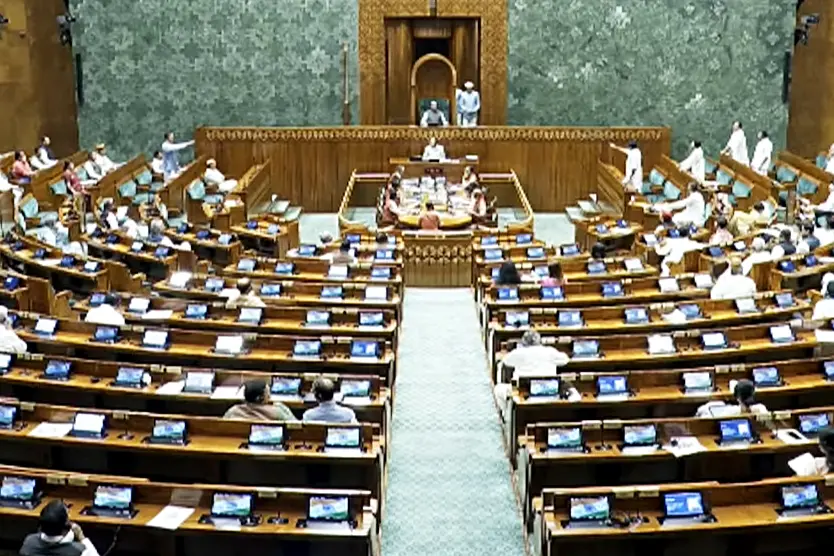
The Registration of Births and Deaths (Amendment) Bill, 2026, was introduced in the Lok Sabha on Wednesday, July 29, 2026, by Union Home Minister Amit Shah. The Bill seeks to amend the Registration of Births and Deaths Act, 1969, by introducing stricter procedures for delayed registration of births and deaths, strengthening verification requirements and expanding the use of digital records.
The government says the changes will improve record accuracy, prevent fraud and strengthen digital governance, while critics have raised concerns over privacy, centralisation of data and possible difficulties for people without proper documentation.
Also Read

What is the Registration of Births and Deaths Bill 2026?
The Bill seeks to amend the Registration of Births and Deaths Act, 1969, by tightening the process for registering births and deaths that are reported long after they occur.
Currently, registration of births and deaths is mandatory, and certificates issued under the law serve as official proof of these events. The proposed changes focus mainly on delayed registrations, where authorities want stronger verification before adding records to official databases.
What changes does the Bill propose?
The biggest change is the introduction of stricter approval requirements for delayed registrations.
If a birth or death is reported more than one year but within two years of the event, approval will be required from the District Magistrate, Sub-Divisional Magistrate or an authorised Executive Magistrate.
For cases where the delay exceeds two years, registration will require an order from a Judicial Magistrate of the First Class.
The government says this will reduce the possibility of fake registrations and ensure that delayed claims are properly verified.
The Bill also builds on the 2023 amendments, which increased the importance of birth certificates by making them the main proof of date and place of birth for several official purposes, including education, passports, government jobs, identity documents and voter registration after turning 18.
Why is the government bringing these changes?
The government argues that accurate birth and death records are essential for effective governance.
A centralised digital record system can help government departments maintain updated information, improve planning and reduce duplication. Officials say linking records can help prevent cases where welfare benefits continue in the names of deceased individuals or where duplicate identities are created.
The government also believes that a single verified birth certificate can reduce paperwork for citizens by replacing the need for multiple documents for different services.
How will digital databases change?
The 2023 amendments created a framework for integrating birth and death records into national and state databases.
The system allows information collected by local registrars to be shared with state databases and the Registrar General of India's national database.
These records can also be connected with databases such as the National Population Register (NPR), electoral rolls and welfare systems.
Supporters argue that this will create more accurate population data and improve delivery of government services.
What are the concerns?
The biggest concern raised by privacy advocates is the expansion of interconnected government databases.
Critics argue that linking birth and death records with multiple systems requires strong safeguards to protect personal information. They have questioned how data will be stored, who will have access to it and what measures will be available if incorrect information enters official records.
The collection of Aadhaar details of parents or informants, where available, has also led to concerns about the increasing use of identity databases.
Could stricter rules affect vulnerable groups?
Another concern is that tighter registration rules could create difficulties for people who already lack proper documentation.
In many parts of India, delayed birth registration remains common because of limited awareness, migration, poor access to government offices or administrative delays.
Critics argue that while accurate records are important, the system must ensure that people are not denied education, welfare benefits or identity documents because of documentation problems.
Debate over centralisation of data
The move towards a centralised population database has also created political debate.
Opposition parties and rights groups have questioned whether increasing central control over birth and death records could affect federal powers and citizen privacy.
Some critics have raised concerns about possible links with systems such as the National Population Register and electoral databases, arguing that such large-scale data integration requires greater transparency and legal safeguards.
The government has rejected these concerns, saying the objective is administrative efficiency, better public services and prevention of fraud.
Benefits and challenges ahead
The Bill could improve the reliability of official records, simplify government services and help authorities plan policies using better demographic data.
However, its success will depend on implementation. Authorities will need to ensure that registration remains accessible, databases are protected and citizens have a clear process to correct errors.
The debate around the Bill reflects a larger question facing digital governance in India: how to use technology to improve public services while protecting privacy and ensuring that no section of society is excluded.
Published: 29 Jul 2026, 03:22 pm IST
ABOUT THE AUTHOR
Related Topics
Disclaimer: Kindly avoid objectionable, derogatory, unlawful and lewd comments, while responding to reports. Such comments are punishable under cyber laws. Please keep away from personal attacks. The opinions expressed here are the personal opinions of readers and not that of Mathrubhumi.