
Constitution makers would not have imagined such shamelessness that a CM would go to jail and continue as the CM from jail, says Union Home Minister Amit Shah
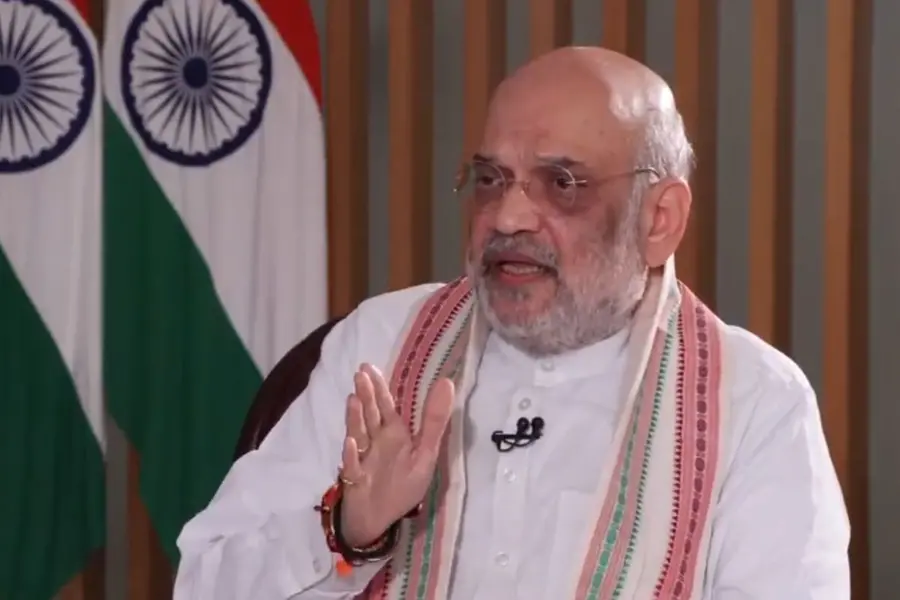
Union Home Minister Amit Shah on Monday defended the 130th Amendment Bill, and strongly criticized the idea of Chief Ministers governing from prison, calling it "shamelessness".
In an interview to news agency ANI, Shah stated that Prime Minister Narendra Modi "has brought a constitutional amendment against himself" by including the post of PM in this new provision.
He drew a stark contrast with the 39th amendment, previously introduced by Indira Gandhi, which protected the President, Vice President, Prime Minister, and Speaker from judicial review by Indian courts. Under the 130th Amendment Bill, Shah reiterated, "if the Prime Minister goes to jail, he will have to resign".
The Union Home Minister further expressed his dismay regarding Chief Ministers operating from behind bars, stating that "the Constitution makers would not have imagined such shamelessness that a CM would go to jail and continue as the CM from jail".
He recounted that during the case of Arvind Kejriwal, the High Court, while believing resignation was necessary on "moral grounds," found no existing provision in the current law to enforce it.
Shah affirmed that his party and the Prime Minister firmly believe "no CM, Minister or PM in this country can run the government while being in jail". He added that courts understand the gravity of such situations and would decide on bail before the stipulated 30-day period for resignation.
Shah also touched upon the BJP's approach to corruption cases. He explained that in BJP-ruled states, if a corruption case arises against a minister or Chief Minister, any individual "can go to the court and request the court to order an FIR against the concerned person".
He recalled that during the UPA 2 government, there were "at least 12 cases" where CBI investigations were initiated on court orders, leading to arrests.
Regarding the Opposition's boycott of the Joint Parliamentary Committee (JPC) formed for the 130th Amendment Bill, Shah questioned, "Who is telling them (Opposition) not to be a part of it (JPC)?". He emphasized that the government is encouraging their participation and that parliamentary processes cannot be stalled due to the minority's refusal to accept rules.
Shah detailed that the JPC involves calling "many witnesses" and individuals from public life to prepare a report based on arguments and evidence, which then informs changes to the bill. He expressed frustration, asking, "If they boycott the JPC even after the decision to form the JPC is taken, then what option does the government have?".
In a direct reference to AAP national convenor Arvind Kejriwal, Shah stated that "If this law had been in place, he would have had to resign". He added that Kejriwal eventually resigned "on moral grounds" and appointed Atishi as Chief Minister of Delhi after public protests and questions arose upon his release.
Published: 25 Aug 2025, 10:38 am IST
Disclaimer: Kindly avoid objectionable, derogatory, unlawful and lewd comments, while responding to reports. Such comments are punishable under cyber laws. Please keep away from personal attacks. The opinions expressed here are the personal opinions of readers and not that of Mathrubhumi.
