
While the opposition seeks accountability via Rule 267, the Chair often favours alternative debate formats, leading to frequent legislative stalemates.
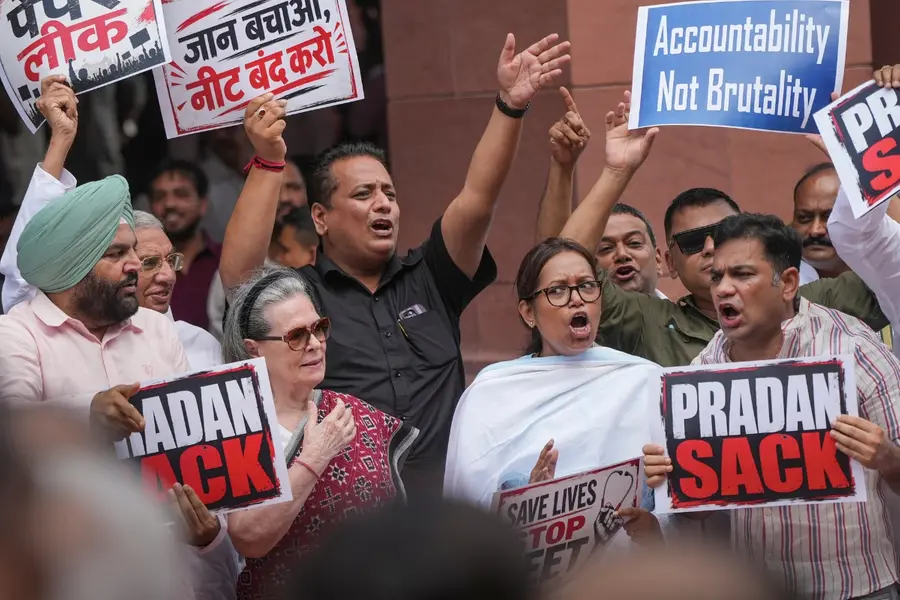
New Delhi: As parliamentary proceedings face intense disruptions, opposition parties have repeatedly invoked Rule 267 of the Rajya Sabha rulebook to demand an immediate suspension-of-business discussion on pressing national issues, notably the NEET examination controversies and subsequent student demonstrations.
What Does Rule 267 Entail?
Under the Rules of Procedure and Conduct of Business in the Council of States, Rule 267 relates to the suspension of rules. It grants a Rajya Sabha member the special power to submit a written notice setting aside the pre-decided, listed agenda of the House to debate an issue of profound national importance.
According to the rule book, “Any member may, with the consent of the Chairman, move that any rule may be suspended in its application to a motion related to the business listed before the council of that day, and if the motion is carried, the rule in question shall be suspended for the time being.”
Key Characteristics of a Rule 267 Motion
- Complete Disruption of Normal Business: Unlike other debate formats, a successful motion under Rule 267 pauses all routine legislative work to prioritise a single urgent crisis.
- Mandatory Government Response: Accepting a notice under this rule signifies that the matter is treated as the premier national issue of the day, requiring a direct reply from the government during the discussions.
- Absolute Discretion of the Chairman: The rule explicitly requires the explicit consent of the Rajya Sabha Chairman (the Vice-President of India) for the motion to be moved on the floor.
Why Has It Become a Bone of Contention?
The application of Rule 267 has frequently triggered friction between the treasury benches and the opposition. While opposition parties—including the Congress—insist on utilising Rule 267 to ensure comprehensive accountability on critical developments like competitive exam paper leaks and student welfare, successive chairpersons have historically exercised strict restraint over admitting notices under this provision, preferring alternative formats such as short-duration discussions under Rule 176.
Published: 23 Jul 2026, 01:59 pm IST
Related Topics
Disclaimer: Kindly avoid objectionable, derogatory, unlawful and lewd comments, while responding to reports. Such comments are punishable under cyber laws. Please keep away from personal attacks. The opinions expressed here are the personal opinions of readers and not that of Mathrubhumi.
