
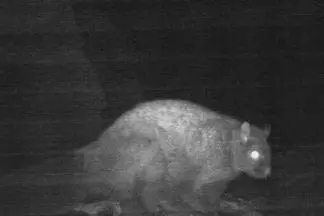
Shimla: In a major moment for wildlife enthusiasts and conservationists, the Himachal Pradesh Forest Department (HPFD) has managed to capture the first-ever photographic proof of the Woolly Flying Squirrel in the wild. This rare and elusive species was spotted in Miyar Valley, located in the Lahaul and Spiti district.
The incredible discovery was made during a camera trap survey that ran from 10 October to 4 December 2024, according to a statement from a forest department spokesperson on Saturday.
Rediscovered after decades
The Woolly Flying Squirrel (Eupetaurus cinereus), found only in the north-western Himalayas, was once thought to be extinct. It hadn’t been seen for nearly 70 years until its rediscovery in 1994. This fresh confirmation of its presence is a big deal for wildlife research in Himachal Pradesh, adding a new species to the state’s mammal list.
“It’s a significant milestone in conservation efforts,” the spokesperson said.
Part of a bigger survey
The squirrel was spotted during the Snow Leopard Population Assessment in India (SPAI) initiative, where teams set up 62 camera traps at key spots in Miyar Valley. The entire effort followed SPAI protocols.
The work wasn’t easy. A group of local youths from Kibber in Spiti, who’ve been involved in wildlife conservation since 2010, led the tough task of setting up cameras in the rugged mountain landscape. They were supported by a committed conservationist from Lahaul, whose efforts were vital to the success of the project.
Not just squirrels – other big sightings too
While the Woolly Flying Squirrel grabbed headlines, the cameras also caught glimpses of snow leopards, red foxes, Himalayan wolves, and mountain weasels.
These animals were mainly seen around rocky cliffs and areas just above the treeline – exactly the kind of habitat the Woolly Flying Squirrel prefers, the statement noted.
The findings from Miyar Valley have offered a fascinating look into the high-altitude ecosystems of the region. “These discoveries not only show the rich biodiversity of the valley but also underline the importance of continuing conservation research,” the statement added. And with fragile habitats like these under increasing pressure, the importance of protecting such unique ecosystems has never been clearer.
PTI
Published: 05 Apr 2025, 08:38 pm IST
Related Topics
Disclaimer: Kindly avoid objectionable, derogatory, unlawful and lewd comments, while responding to reports. Such comments are punishable under cyber laws. Please keep away from personal attacks. The opinions expressed here are the personal opinions of readers and not that of Mathrubhumi.
