
The IUCN has uplisted emperor penguins to endangered status due to climate-driven sea ice loss, with Antarctic fur seals also now endangered from krill declines
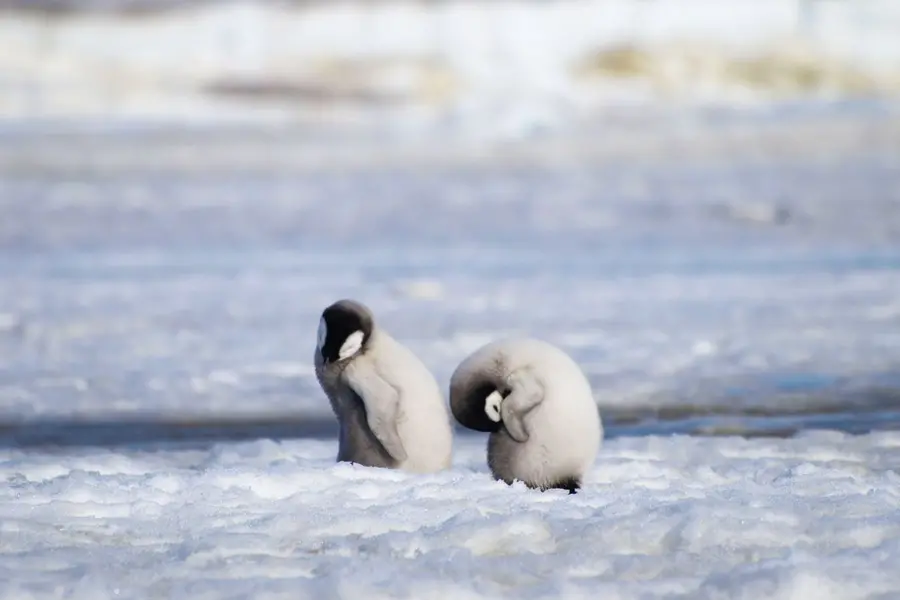
The International Union for Conservation of Nature (IUCN) has uplisted emperor penguins from "near threatened" to "endangered" on its Red List, citing rapid sea ice loss driven by climate change as the primary threat to the species' survival.
Announced on Thursday, this reclassification signals that the global population could halve by the 2080s without urgent intervention, marking a critical escalation in the plight of Antarctica's iconic birds.
Satellite monitoring since 2009 reveals a consistent downward trajectory for emperor penguin colonies, with a 2025 Nature Communications study documenting a 22% population drop across key Antarctic sectors by 2023 -- a rate exceeding high-emission projections.
The decline accelerated post-2016 amid record-low sea ice extents, disrupting breeding, chick rearing, and molting cycles essential to the penguins' survival. Phillip Trathan of the IUCN Penguin Specialist Group noted, "Ultimately, there's only one trajectory, and that's downwards," highlighting the species' vulnerability as sea ice vanishes at 135 billion tons annually.
Seals face similar perils
The IUCN update also reclassified Antarctic fur seals from "least concern" to "endangered" after a nearly 50% adult population loss between 1999 and 2025, linked to krill scarcity from warming oceans pushing prey deeper.
Southern elephant seals shifted to "vulnerable" due to avian flu outbreaks since 2020, which killed up to 90% of pups in affected colonies. Kit Kovacs, chair of the IUCN Pinniped Specialist Group, described the fur seal's jump as rare, stating it reflects "precipitous" declines from food shortages at sites like South Georgia.
Ahead of next month's Antarctic Treaty Consultative Meeting in Japan, conservationists demand designating emperor penguins and fur seals as Specially Protected Species to curb fishing and tourism pressures.
IUCN Director General Grethel Aguilar called it a "wake-up call," urging Treaty nations—now 58 strong—to safeguard Antarctica's "frozen guardian" role in global climate stability.
BirdLife International CEO Martin Harper warned the uplisting is a "stark warning" of an accelerating extinction crisis, with 10 of 20 penguin species now threatened . Failure to act risks quasi-extinction for nearly all emperor colonies by 2100 under current trends.
Published: 09 Apr 2026, 06:10 pm IST
Related Topics
Disclaimer: Kindly avoid objectionable, derogatory, unlawful and lewd comments, while responding to reports. Such comments are punishable under cyber laws. Please keep away from personal attacks. The opinions expressed here are the personal opinions of readers and not that of Mathrubhumi.
