
The Centre has temporarily stopped industrial and commercial users from buying petrol and diesel at retail pumps. Here's why the move was made, who is affected, and whether consumers need to worry about fuel shortages.
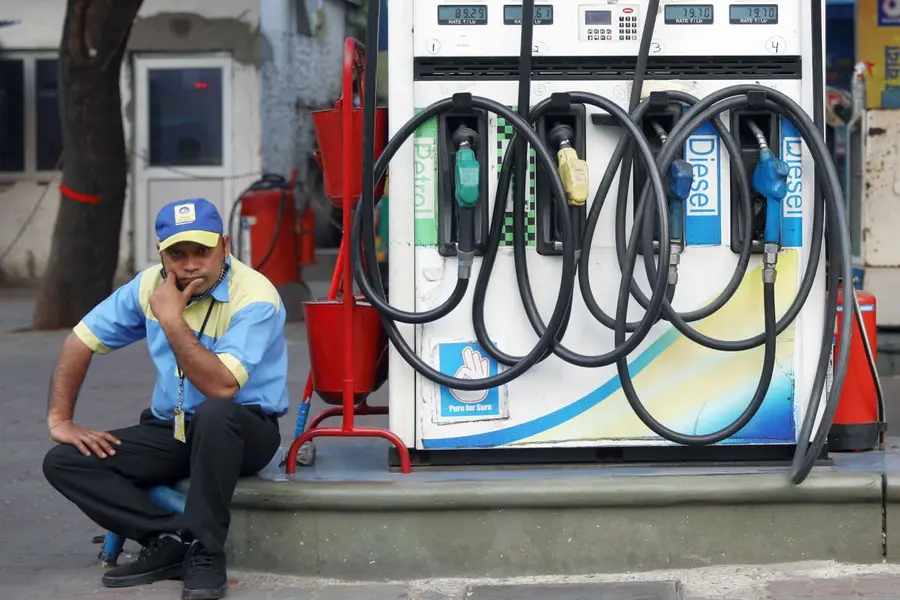
New Delhi: Concerned that industries and commercial establishments are increasingly turning to retail petrol pumps to access cheaper fuel, the Centre has temporarily barred bulk users from purchasing petrol and diesel from fuel stations, saying the move is necessary to safeguard supplies meant for the general public.
The restrictions, which can remain in force for up to 90 days at a time, come amid a sharp divergence between retail and bulk fuel prices that has prompted institutional consumers to shift their purchases to petrol pumps.
For ordinary motorists, the government's message is straightforward: the order is intended to ensure there is no disruption in fuel availability at retail outlets.
Under a notification issued by the Ministry of Petroleum and Natural Gas on June 11, industrial units, commercial entities and institutional consumers will now have to procure petrol and diesel through authorised bulk supply channels or their own consumer pumps instead of buying from retail stations.
The government said it had noticed "abnormal" spikes in petrol and diesel sales at certain retail outlets, attributing the trend to bulk consumers exploiting the significant price gap between retail and bulk fuel supplies.
The disparity is particularly pronounced in diesel prices. In Delhi, diesel sold through retail pumps is priced at around Rs 95.20 per litre, while bulk buyers are paying nearly Rs 134.50 per litre. The gap emerged after state-run oil marketing companies held retail prices steady to cushion households from the global energy shock triggered by geopolitical tensions in West Asia, even as bulk customers continued to be charged market-linked rates.
Officials warned that if large consumers increasingly rely on petrol pumps for their fuel requirements, supplies earmarked for everyday users could come under pressure, potentially resulting in local shortages and disruption to essential services.
The temporary regulations also tighten rules governing diesel purchases at retail outlets. Diesel can now be dispensed only into vehicle fuel tanks or containers approved by the Petroleum and Explosives Safety Organisation (PESO). In addition, sales have been capped at 200 litres per vehicle or customer each day, and the fuel purchased through this route cannot be resold.
The Centre cited ongoing geopolitical uncertainty and its impact on global petroleum supply chains and shipping logistics as the backdrop for the decision, saying preventive measures were required to maintain stable domestic supplies.
Oil marketing companies, including public-sector retailers and other authorised sellers, have been empowered to implement the restrictions immediately. State governments and Union Territory administrations have also been directed to crack down on hoarding, black marketing, unauthorised procurement and diversion of fuel.
The order allows the government to impose the restrictions for an initial period of up to 90 days and extend them through fresh notifications if circumstances warrant.
At the same time, the Centre has retained the power to exempt specific consumers, sectors, regions or categories of transactions from the restrictions through special orders.
Any violation of the new rules will invite action under the provisions of the Essential Commodities Act.
With PTI inputs
Published: 12 Jun 2026, 06:54 am IST
Related Topics
Disclaimer: Kindly avoid objectionable, derogatory, unlawful and lewd comments, while responding to reports. Such comments are punishable under cyber laws. Please keep away from personal attacks. The opinions expressed here are the personal opinions of readers and not that of Mathrubhumi.
