
The government reiterated that GLP-1 drugs are effective only when taken under proper medical supervision
New Delhi: The Government of India on Thursday released official guidance on the use, risks, and regulation of GLP-1 (glucagon-like peptide-1) drugs, highlighting their benefits in treating type 2 diabetes and obesity, while warning against unsupervised use.
Diabetes, a chronic condition caused by insufficient insulin production or ineffective insulin use, can lead to serious complications such as heart attacks, kidney failure, blindness, stroke, and limb amputation if left untreated. GLP-1 drugs are designed to correct hormonal imbalances in type 2 diabetes by stimulating insulin release and suppressing excess glucagon, helping regulate blood sugar levels and control appetite.
GLP-1 Drugs and Their Role
GLP-1 medications work by mimicking the body’s natural GLP-1 hormone. They slow gastric emptying, increase the feeling of fullness, and reduce appetite, which can also aid in weight loss. These drugs are particularly relevant for individuals with obesity, defined in India as a BMI of 25 kg/m² or higher, and for those at high risk of type 2 diabetes, including people with a family history of the disease or excessive abdominal fat.
ALSO READ | Want better immunity? NITI Aayog flags gut health risks amid diet shift in India
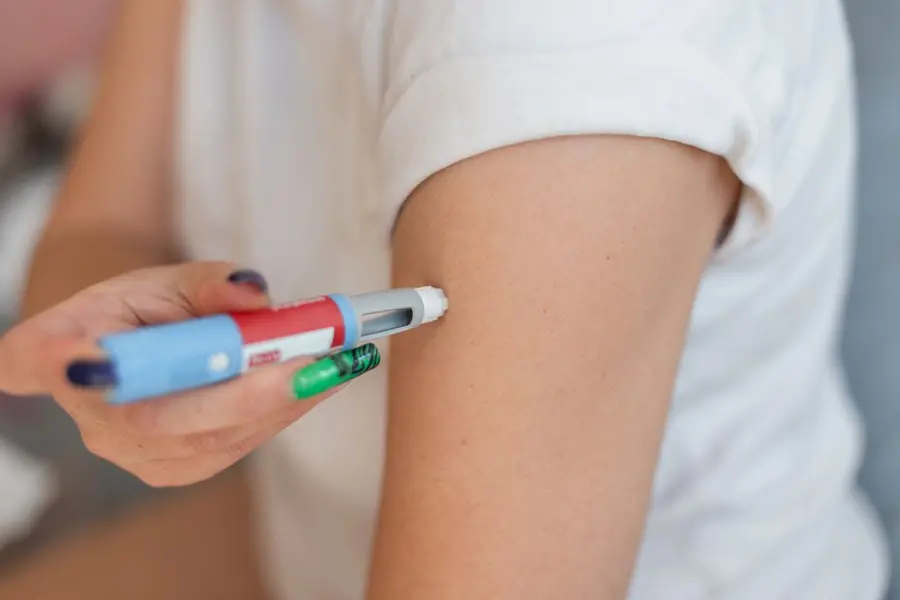
Popular GLP-1 drugs available in India include Semaglutide (injections and tablets), Liraglutide, Tirzepatide, Dulaglutide, and Exenatide (including extended release forms). Most are administered via pre-filled injection pens, though some oral formulations exist.
Risks and Medical Oversight
While GLP-1 drugs represent a medical breakthrough, the press release emphasised that they carry potential side effects ranging from mild nausea and dizziness to serious conditions such as pancreatitis and medullary thyroid cancer. Misuse without clinical supervision can lead to severe health complications.
The drugs should be prescribed only by qualified specialists such as endocrinologists, internal medicine doctors, and cardiologists, and patients are strongly advised to consult a registered medical practitioner before use.
Regulatory Measures
To prevent unauthorised sale and unsafe use, the Drug Controller General of India (DCGI) has intensified monitoring and regulatory actions. A nationwide advisory issued on 10 March 2026 instructed manufacturers to stop misleading advertisements and any promotions encouraging over-the-counter or unsupervised use.
ALSO READ | Common diabetes drug works by acting on brain, study shows
Recent inspections targeted 49 businesses, including online pharmacies, wholesalers, retailers, and wellness clinics, to ensure compliance. Violations have led to notices, and stricter surveillance will continue, with potential penalties including license cancellation, fines, and legal action.
Public Advisory
The government reiterated that GLP-1 drugs are effective only when taken under proper medical supervision. Patients should avoid self-medication and obtain these medicines through legitimate, regulated channels to prevent serious health risks.
These steps aim to ensure that GLP-1 drugs remain a safe and regulated treatment option for managing type 2 diabetes and obesity, while curbing unauthorised use and malpractice in India.
Published: 01 Apr 2026, 02:40 pm IST
Related Topics
Disclaimer: Kindly avoid objectionable, derogatory, unlawful and lewd comments, while responding to reports. Such comments are punishable under cyber laws. Please keep away from personal attacks. The opinions expressed here are the personal opinions of readers and not that of Mathrubhumi.
