
The Foreign Contribution (Regulation) Amendment Bill 2026 is set to be taken up in the Lok Sabha, triggering political protests and concerns among civil society groups over its expanded powers and potential impact.
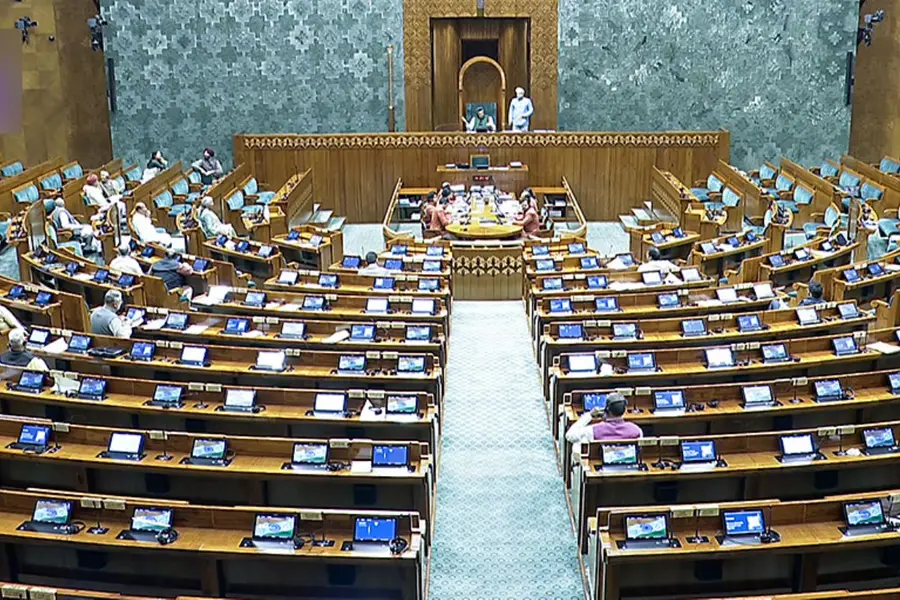
The Foreign Contribution (Regulation) Amendment Bill, 2026 is set to be taken up in the Lok Sabha, triggering sharp political debate and concern among civil society groups. The proposed changes seek to tighten regulation of foreign funding, but critics argue they expand government control too far.
The bill was introduced by the government as part of ongoing efforts to strengthen oversight of foreign-funded organisations, at a time when such funding continues to play a significant role in sectors like education, healthcare and social welfare.
Also Read

What is FCRA
The Foreign Contribution (Regulation) Act, 2010 regulates how NGOs, associations and individuals in India receive and use foreign contributions. It came into force in 2011.
The law ensures that foreign funding:
- Does not affect national security or public interest
- Is not used for political purposes
- Is properly monitored and accounted for
India currently has around 16,000 registered FCRA organisations, which together receive nearly ₹22,000 crore annually in foreign contributions. This highlights the scale and importance of the law.
What the 2026 amendment proposes
The amendment introduces structural changes to address gaps in the existing law, especially around asset handling and enforcement.
- A designated authority can be appointed by the Centre
- This authority can take control of funds and assets if an organisation’s licence is cancelled, surrendered or expires
- The control applies even to assets partially created using foreign funds
- The authority can manage, supervise and dispose of such assets
The bill also introduces clearer timelines for receiving and using funds, rules for handling assets during suspension, and provisions requiring prior government approval before initiating investigations.
These changes aim to bring more clarity and uniformity in implementation, as earlier provisions lacked detailed procedures.
Why it is controversial
The bill has drawn strong criticism from opposition parties, NGOs and religious organisations, who argue that it may affect the autonomy of civil society.
- Critics say the bill gives wide discretionary powers to authorities.
- There are concerns about arbitrary action and lack of checks and balances
- NGOs fear stricter rules may disrupt their operations and funding flows
- Minority institutions, including those running schools and hospitals, have expressed concern about possible targeting.
Several organisations have also warned that even minor administrative lapses could lead to severe consequences such as asset takeover.
Government’s stand
The government has maintained that the amendments are necessary to improve transparency and accountability in the system.
It argues that:
- The law will curb misuse of foreign funds
- It will act against illegal activities such as forced religious conversions
- Genuine organisations following rules will not be affected
Officials have said the changes are meant to remove ambiguity in the law and ensure smoother enforcement.
Political context
The bill has taken on political significance, especially with the Kerala Assembly elections approaching. Opposition parties have alleged that the timing of the bill raises concerns and could influence institutions linked to minority communities.
Leaders have called the bill “unconstitutional” and demanded that it be referred to a parliamentary standing committee for deeper scrutiny.
Why it matters
FCRA plays a crucial role in regulating foreign donations in India. Changes to the law can have wide-ranging effects on NGOs, charities, educational institutions and healthcare organisations that depend on such funding.
The amendment also raises broader questions about balancing regulation with the independence of civil society organisations.
The FCRA Amendment Bill 2026 aims to tighten control over foreign funding and improve regulatory clarity. However, the controversy lies in whether these changes ensure accountability or risk excessive government control over NGOs and their assets.
Published: 01 Apr 2026, 08:12 am IST
Related Topics
Disclaimer: Kindly avoid objectionable, derogatory, unlawful and lewd comments, while responding to reports. Such comments are punishable under cyber laws. Please keep away from personal attacks. The opinions expressed here are the personal opinions of readers and not that of Mathrubhumi.