
The DGCA will now hold accountable managers and senior leadership personally liable for systemic safety failures, moving beyond blaming only pilots.
New Delhi: India’s aviation regulator on Tuesday ordered a sweeping safety overhaul for the country's charter flight sector, mandating the public disclosure of aircraft maintenance logs and the creation of a safety ranking system following a series of fatal accidents.
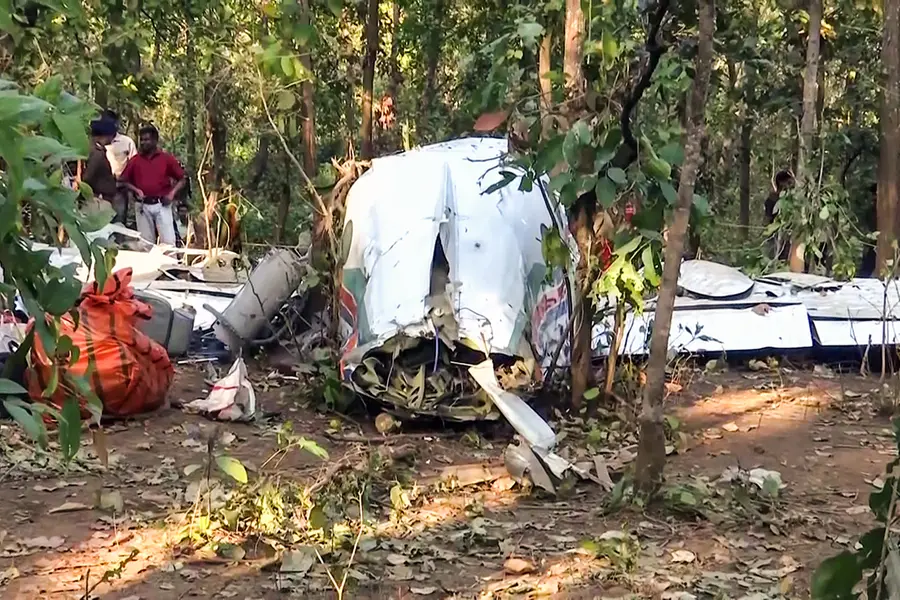
The Directorate General of Civil Aviation (DGCA) announced the measures a day after a medical evacuation flight operated by a non-scheduled operator (NSOP) crashed in Jharkhand, killing all seven people on board. The regulator summoned the leadership of all charter firms to a Tuesday meeting to address what it described as a "recent surge in aviation incidents."
In a direct warning to the industry, the DGCA stated that "safety lapses cannot simply be blamed on pilots" and that "accountable managers and senior leadership" will now be held personally liable for systemic failures.
Transparency and Accountability
Under the new directives, charter operators will be required to publish critical safety data on their websites, including the age of their aircraft and comprehensive maintenance histories. This transparency is intended to allow customers to verify the airworthiness of an aircraft before booking.
The regulator also introduced a safety ranking mechanism, which will categorise operators based on their compliance records. Other key measures include:
- Stricter Pilot Penalties: Pilots found violating safety protocols, such as landing below minimum visibility standards or breaching flight duty time limits, could face license suspensions of up to five years.
- Intensified Monitoring: The DGCA will increase oversight of ageing aircraft and planes undergoing changes in ownership.
- Enhanced Audits: The authority plans to conduct frequent, random audits of Cockpit Voice Recorders (CVR) and cross-verify fuel records and technical logs to identify any falsified data.
A Pattern of Crisis
The regulatory crackdown follows two major crashes in less than a month. Monday’s accident in Jharkhand involved a Beechcraft C90 operated by Redbird Airways that went down in a forested area during a thunderstorm. It followed the Jan. 28 crash of a Learjet 45 in Maharashtra, which killed former Deputy Chief Minister Ajit Pawar and four others.
"These measures are part of a zero-tolerance policy against safety compromises," the DGCA statement read. The regulator emphasised that the goal is to shift the burden of responsibility from individual crew members to the corporate entities managing the fleets.
With inputs from PTI
Published: 24 Feb 2026, 09:36 pm IST
Related Topics
Disclaimer: Kindly avoid objectionable, derogatory, unlawful and lewd comments, while responding to reports. Such comments are punishable under cyber laws. Please keep away from personal attacks. The opinions expressed here are the personal opinions of readers and not that of Mathrubhumi.
