
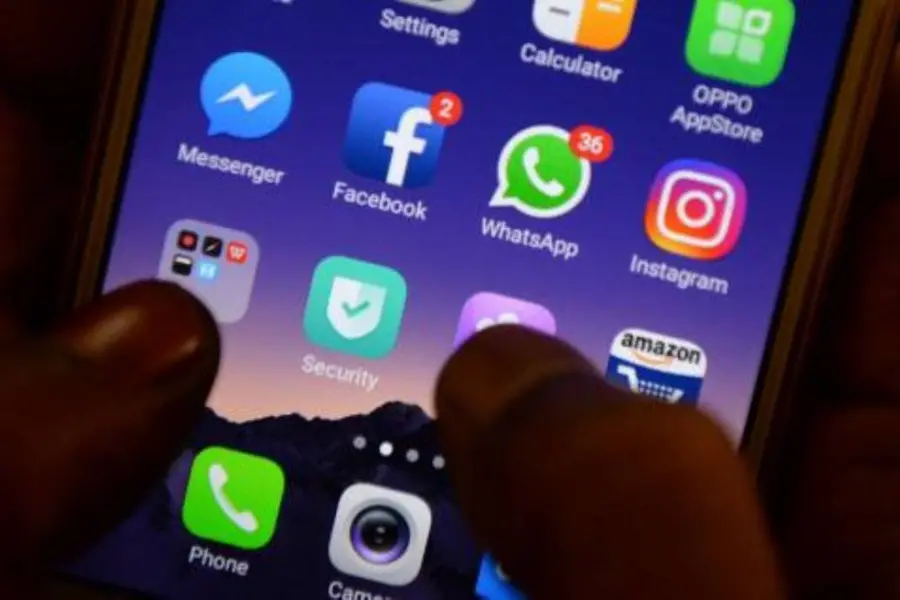
New Delhi: The Delhi government has directed all schools in the national capital to formulate specific policies regulating smartphone use among students during school hours. The move comes in response to a Delhi High Court directive aimed at balancing the pros and cons of smartphone usage in educational spaces.
In a circular issued by the Directorate of Education (DoE) on Thursday, school heads across government, government-aided, and unaided recognised private institutions were asked to design and implement guidelines in line with the court's observations.
"The Hon'ble court has drawn up guiding principles to balance the beneficial and deleterious effects of permitting the use of smartphones in the hands of students while attending school. Accordingly, all the heads of government, government-aided & unaided recognised private schools of Delhi are hereby directed to develop a policy on the above said matter at the school level and implement the same,” the circular stated.
The court’s directive, issued in March, underscored the importance of educating students about responsible online conduct, ethical digital behaviour, and limiting screen time.
"Smartphones must not disrupt classroom teaching, discipline, or the overall educational atmosphere. To this end, the use of smartphones in class must be prohibited," the High Court had said.
Justice Anup Jairam Bhambhani, who headed the bench, noted that excessive screen time and unchecked social media use could lead to issues such as anxiety, reduced attention spans, and cyberbullying.
"Importantly, the aforementioned guidelines proceed on the fundamental premise that the use of smartphones in school should be banned. This court would observe that much has changed in the past years as regards the use of technology, including for educational and other related purposes. In the opinion of this court, therefore, a complete ban on use of smartphones by students attending school is both an undesirable and unworkable approach," the bench observed.
The court suggested that policies should be developed in consultation with educators, parents, and child welfare experts to ensure a balanced and practical approach.
The Delhi High Court also clarified that schools should have autonomy in enforcing rules suitable to their context—whether by restricting usage to specific areas, limiting screen time, or implementing more stringent bans during particular events.
The court was responding to a plea by Kendriya Vidyalaya Sangathan (KVS), which had sought comprehensive guidelines on smartphone usage in schools. It also noted that earlier advisories from the CBSE, KVS, and even the DoE in 2023 had failed to yield satisfactory outcomes.
During the proceedings, the court sought input from child welfare bodies including the National Commission for Protection of Child Rights and the Delhi Commission for Protection of Child Rights. IANS
Published: 18 Apr 2025, 08:03 pm IST
Related Topics
Disclaimer: Kindly avoid objectionable, derogatory, unlawful and lewd comments, while responding to reports. Such comments are punishable under cyber laws. Please keep away from personal attacks. The opinions expressed here are the personal opinions of readers and not that of Mathrubhumi.
