
Delhi launches Atal Canteens offering a full, nutritious meal for just ₹5 across 100 locations, targeting urban hunger and food affordability.
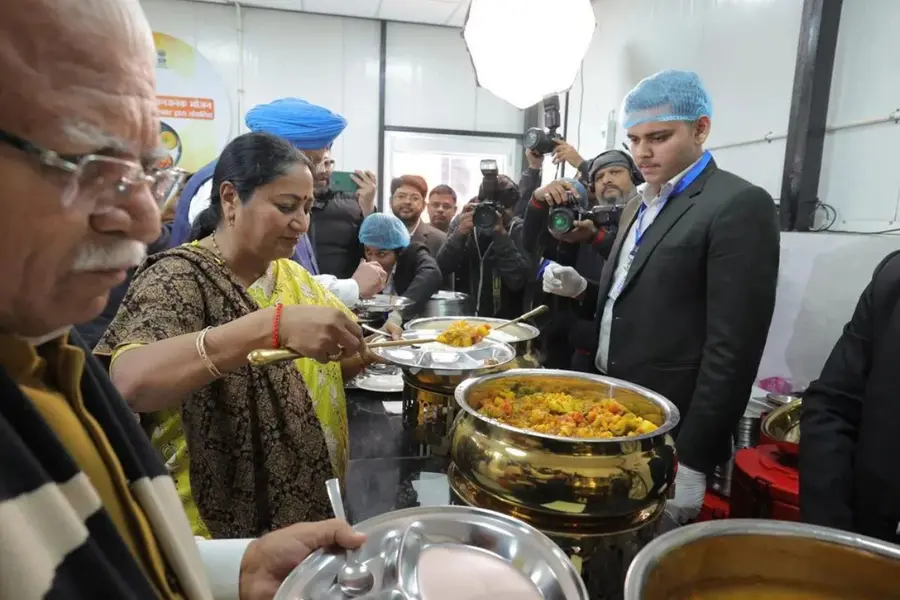
A simple, wholesome meal in Delhi — dal, rice, chapati, a vegetable, and pickle — can easily cost anywhere between ₹500 and ₹2,000, depending on the restaurant and locality. For thousands of daily wage workers, labourers and low-income families, such meals remain far beyond reach.
In a move aimed at addressing urban hunger and food affordability, the Delhi government on Wednesday launched the Atal Canteen scheme, offering nutritious meals at just ₹5 per plate across 100 locations in the national capital.
The initiative was formally inaugurated by Chief Minister Rekha Gupta on the occasion of the 101st birth anniversary of former Prime Minister Atal Bihari Vajpayee, after whom the canteens are named. The scheme seeks to provide “food with dignity” to those struggling to meet basic daily needs.
“Atal Canteen will become the soul of Delhi — a place where no one should have to sleep hungry,” the Chief Minister said while launching the programme.
Where and When Will Meals Be Available?
As part of the first phase, 45 Atal Canteens have already begun operations in areas such as RK Puram, Jangpura, Shalimar Bagh, Greater Kailash, Rajouri Garden, Narela and Bawana. The remaining 55 canteens will be inaugurated in the coming days.
Each canteen will serve two meals a day —
- Lunch: 11 am to 4 pm
- Dinner: 6:30 pm to 9:30 pm
On average, every centre is expected to serve meals to around 500 people daily.
What’s on the Plate?
- The ₹5 thali includes:
- Dal (legume)
- Rice
- Chapati
- Seasonal vegetable
- Pickle
Officials say the menu has been designed to ensure basic nutrition and satiety, rather than merely low-cost food.
Digital Tokens, Real-Time Monitoring
To ensure transparency and prevent misuse, the government has replaced manual coupons with a digital token system for meal distribution. Additionally, CCTV cameras have been installed at all locations, allowing real-time monitoring through the Delhi Urban Shelter Improvement Board’s (DUSIB) digital platform.
The government has indicated that the Atal Canteen model could be expanded further based on demand and feedback, positioning it as a long-term intervention in Delhi’s urban welfare framework.
Published: 25 Dec 2025, 04:16 pm IST
Related Topics
Disclaimer: Kindly avoid objectionable, derogatory, unlawful and lewd comments, while responding to reports. Such comments are punishable under cyber laws. Please keep away from personal attacks. The opinions expressed here are the personal opinions of readers and not that of Mathrubhumi.
