
Escalating cooking gas prices and the Middle East crisis force Kerala hotels to hike rates and scrap traditional meals from their menus.
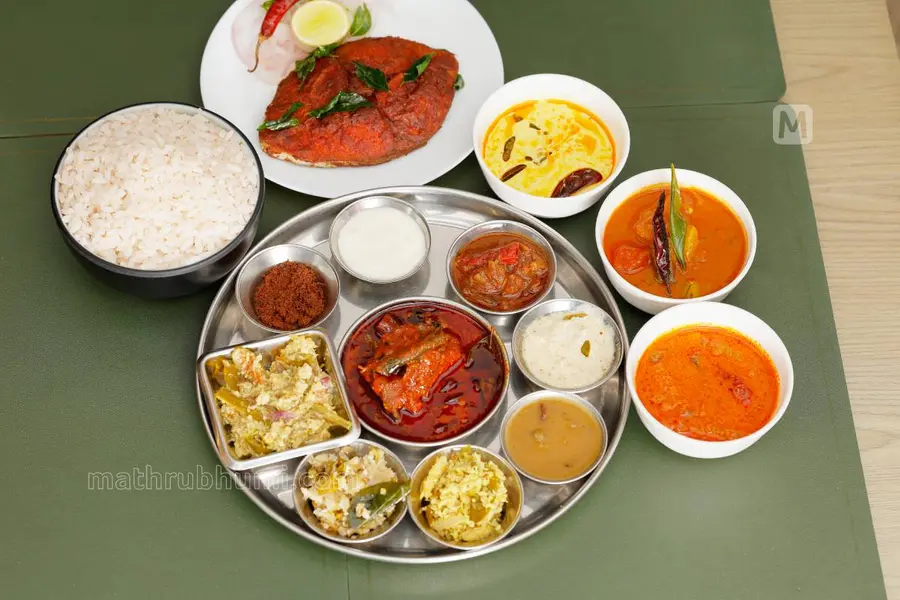
Thiruvananthapuram: Hotels have steeply increased food prices, citing the surge in cooking gas rates. From black tea to major dishes, costs have risen across the board, leaving the common man struggling. Hoteliers claim they cannot survive without these hikes, which are visible everywhere from street-side stalls to luxury establishments. Due to the Middle East crisis, many hotels have revised their menus, removing popular items like traditional meals (meals/oonu) to manage costs.
The price of tea, previously ₹10, now ranges between ₹12 and ₹16 in smaller shops, with some charging up to ₹30. Consequently, other items have followed suit. Parottas and chappatis have jumped from ₹12 to ₹16. Chicken dishes that cost ₹200 now fetch between ₹260 and ₹280, while Biryani prices have climbed from ₹160 to ₹200. One prominent local chain hiked its Chicken Biryani price from ₹240 to ₹320 almost overnight. Traditional meals, once ₹60, have reached ₹100 in many places, while snacks like Vada and Pazham Pori have increased by ₹2 to ₹4.
Despite the price hikes, customers frequently complain that food quality has not seen a similar improvement.
Menu cuts: Biryani replaces traditional meals
High gas prices and shortages have forced many eateries to prune their menus. The traditional Kerala "meals" were the first to go, as they require multiple side dishes and high gas consumption. Most hotels stopped serving meals at the onset of the regional conflict. Although some attempted a comeback, a sudden ₹993 hike in the price of commercial cylinders effectively ended the service again. Many now serve only Biryani, though hoteliers admit customers rarely eat Biryani for more than two consecutive days. Similarly, some outlets have stopped making Parottas and Dosas altogether.
Hoteliers on the brink of closure
Business owners describe the situation as a threat to their very existence. Beyond the price hike, hoarding has led to a severe shortage of commercial gas cylinders. A standard hotel requires about two cylinders a day, while larger ones need up to 10. Previously available on demand, suppliers now limit delivery to a single cylinder per booking, which is insufficient for daily operations.
Attempts to switch back to firewood stoves have not been entirely successful. Alongside gas prices, the cost of vegetables and groceries has also been artificially inflated by some traders. This is compounded by a severe labour shortage as many migrant workers from West Bengal and Assam returned home for elections and have yet to return. Hotel associations have formally complained to the Central Government regarding the exorbitant gas prices.
Uncertain future for the common man
As the Middle East conflict drags on, the public wonders if prices will ever return to normal once the situation stabilises. Historically, price hikes in the food industry are rarely reversed. Even if the conflict ends today, experts estimate it will take at least three months for the supply of cooking gas to return to pre-crisis levels.
Published: 13 May 2026, 09:19 am IST
Disclaimer: Kindly avoid objectionable, derogatory, unlawful and lewd comments, while responding to reports. Such comments are punishable under cyber laws. Please keep away from personal attacks. The opinions expressed here are the personal opinions of readers and not that of Mathrubhumi.
