
Chief Justice of India Surya Kant has cautioned newly inducted advocates-on-record against outsourcing legal drafting to artificial intelligence, stressing professional responsibility and ethics.
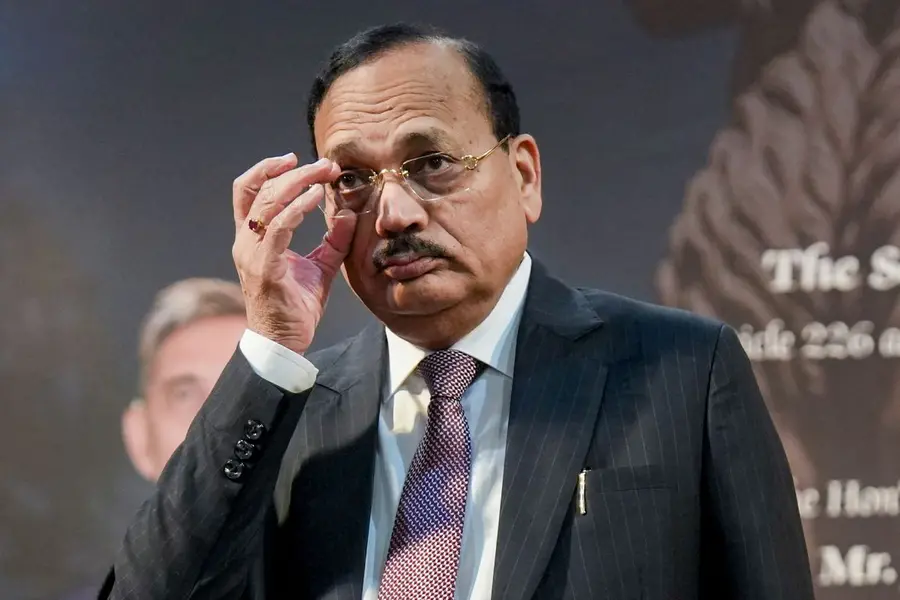
New Delhi: Chief Justice of India Surya Kant on Friday warned newly inducted advocates-on-record (AORs) against outsourcing legal work to artificial intelligence or any external third parties, emphasising that legal drafting must remain a core professional responsibility.
Role of advocates-on-record in Supreme Court
Also Read

Under rules framed by the Supreme Court under Article 145 of the Constitution, only advocates designated as advocates-on-record are authorised to file and plead cases before the apex court. The Supreme Court conducts a specialised examination to qualify lawyers for this designation.
The CJI highlighted that AORs function as officers of the court and serve as the primary link between litigants and the Supreme Court.
Warning against reliance on AI tools
Addressing the induction ceremony of newly qualified AORs, the CJI said that all legal drafting must be done personally by the advocates themselves. He cautioned them against treating filings as routine or delegating work to AI systems or other external sources.
He stressed that every petition filed under an AOR’s name reflects their professional judgment, diligence and integrity, and therefore cannot be outsourced.
Emphasis on diligence and verification
The CJI urged advocates to carefully read every brief, verify facts thoroughly and ensure that legal arguments are properly grounded. He also advised them not to rely solely on instructions from other counsel without independent due diligence.
He underlined that professional credibility begins from the first day of practice and is built through honesty, preparation and respect for the judicial institution.
The Chief Justice outlined key expectations for AORs, including accuracy in pleadings, clarity in submissions and punctuality in court proceedings. He said these standards are essential for maintaining the integrity of judicial processes.
He added that while seniority develops over time, professional reputation depends on conduct and discipline from the outset.
(With PTI inputs)
Published: 17 Apr 2026, 09:17 pm IST
Disclaimer: Kindly avoid objectionable, derogatory, unlawful and lewd comments, while responding to reports. Such comments are punishable under cyber laws. Please keep away from personal attacks. The opinions expressed here are the personal opinions of readers and not that of Mathrubhumi.