
At present, India operates around 70 ATR aircraft, serving airlines such as IndiGo, Alliance Air, and Fly91
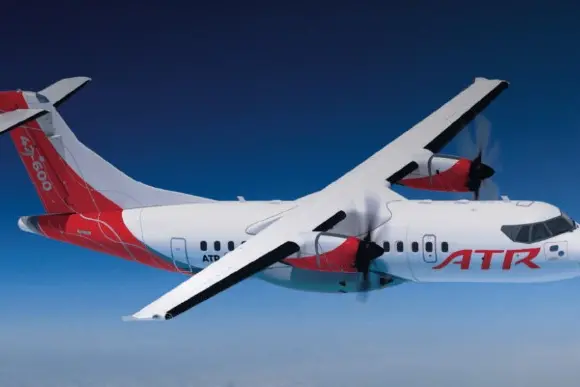
European regional aircraft maker ATR is confident about its India strategy, focusing on turboprop expansion and closer industry partnerships.
In a strategic move underscoring the depth of India’s aviation potential, ATR, the Franco-Italian turboprop manufacturer, has reaffirmed its strong commitment to India. Currently in “active discussions” with both scheduled and non-scheduled carriers, including those already operating ATR aircraft, the company anticipates a dramatic surge in demand for regional turboprops in India over the next decade
India’s Turboprop Opportunity
Jean-Pierre Clercin, Managing Director and Head of Asia-Pacific for ATR, emphasised in a recent PTI interview that the Indian market could absorb 300 additional turboprop aircraft over the next ten years, driven by rising regional connectivity and airport infrastructure expansion.
“India is one of the world’s fastest-growing civil aviation markets,” Clercin said, citing the increase to over 160 operational airports and plans to launch 50 more in five years. “We are keen on exploring further ties in India,” he added, noting ATR’s interest in partnerships with universities to support local talent and research
Current fleet
At present, India operates around 70 ATR aircraft, serving airlines such as IndiGo, Alliance Air, and Fly91. Clercin described ATR’s outlook as “very bullish” and highlighted ongoing conversations with operators across segments
Pricing strategy
Clercin addressed concerns surrounding tariffs and pricing dynamics: “We are trying to, of course, not impose higher pricing, unrealistic pricing on our airlines. But the good thing is, with our platform, we have the most cost-effective platform from an operating cost point of view of the regional market." Explaining that India’s “thin routes”, those under an hour in duration, require economically viable aircraft, he said turboprops like ATR provide ideal solutions
Global reach
Globally, ATR has delivered around 1,800 aircraft to more than 200 operators in over 100 nations. In India, however, ATR envisions higher growth. Clercin stated that India is poised to become its largest market by 2030, overtaking Indonesia, with fleet expansion supported by domestic aviation policies and regional connectivity initiatives
Local ecosystem beyond aircraft sales, ATR has signalled interest in collaborating with Indian universities and potentially localising assembly lines, though any manufacturing base would depend on market stability and projected demand.
Why it matters
- Opportunity: Significance
- Regional Connectivity: ATR turboprops thrive on short-sector routes, filling demand on thin, underserved segments.
- Government Support: India's UDAN scheme and airport expansion provide fertile ground for ATR’s growth.
- Cost-Efficiency: With its low operating costs, ATR offers a strong value proposition for budget-focused operators.
- Skilled Workforce: Partnerships with educational institutions support local aviation talent pipelines.
India’s vision of becoming a global aviation powerhouse aligns neatly with ATR’s growth trajectory. By 2030, ATR aims to dominate the regional turboprop space in one of the world’s fastest-growing markets, a clear vote of confidence in India’s long-term potential.
Published: 09 Jun 2025, 08:43 pm IST
Related Topics
Disclaimer: Kindly avoid objectionable, derogatory, unlawful and lewd comments, while responding to reports. Such comments are punishable under cyber laws. Please keep away from personal attacks. The opinions expressed here are the personal opinions of readers and not that of Mathrubhumi.
