
The Economic Survey 2025–26 noted rapid growth in the sector but warned of unstable incomes. Around 40% of gig workers earn below ₹15,000 per month, it said
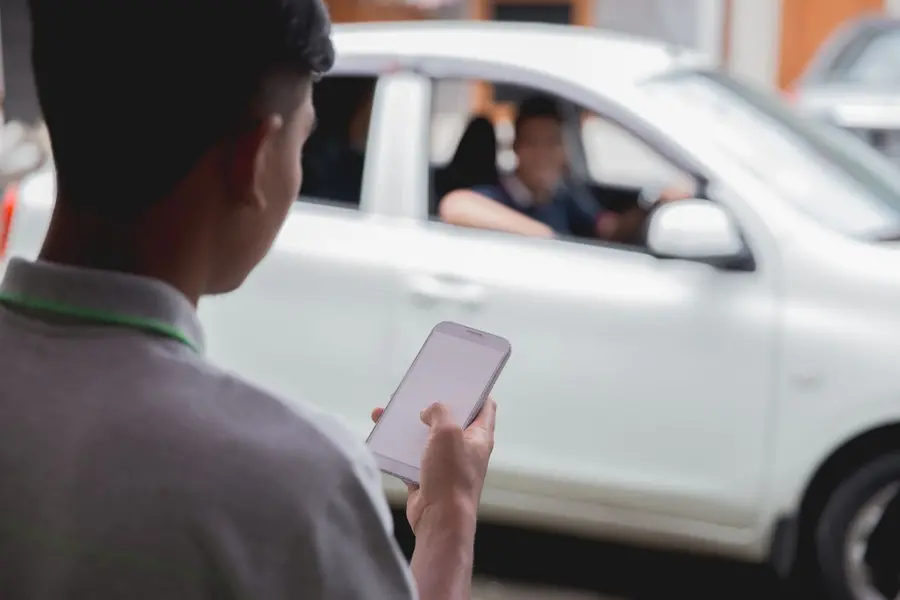
Mumbai: Drivers of app-based taxis and autorickshaws went on a day-long nationwide strike on Saturday after a union called for a protest to press for various demands, including action against illegal bike taxi services and redressal of grievances over panic button installations.
Government assures support, warns aggregators
Maharashtra Transport Minister Pratap Sarnaik warned ride aggregators that the government would take action if companies treated drivers unfairly. He also stated that the government was ready to support drivers on genuine issues and urged the strike not to inconvenience commuters.
“Passengers should not suffer because of the strike. Drivers should clearly communicate what support they expect from the state government,” he said. Officials from the Regional Transport Office (RTO) were reportedly coordinating with driver organisations.
Maharashtra Transport Minister Pratap Sarnaik warned the ride aggregators that if they behave unfairly with the drivers and do injustice to them, the government will take appropriate action against the companies.
He also said the government was ready to stand by the drivers on all their genuine issues.
Head of Maharashtra Kamgar Sabha, Dr Keshav Kshirsagar, told PTI that the strike began across Maharashtra and other parts of the country in the morning.
Most autorickshaw and taxi drivers have supported the strike, he said.
Although the union claimed that drivers have kept their vehicles off the roads, taxis and autorickshaws have been available for booking on app-based platforms of major companies, including Uber, Ola and Rapido, since the early hours of the day.
The Maharashtra Kamgar Sabha had earlier said that the strike was aimed at opposing the "arbitrary" fare policies of ride aggregators, seeking strict enforcement against "illegal" bike taxi operations that were affecting the livelihoods of licensed cab and autorickshaw drivers.
Mandatory installation of panic buttons
The union representing gig workers also alleged that the mandatory installation of panic buttons has become a financial burden for operators.
"While there are 140 panic button device providers approved by the Central government, the state government has declared nearly 70 per cent of these companies unauthorised. As a result, cab drivers are being forced to remove previously installed devices and spend approximately Rs 12,000 unnecessarily to install new devices, causing severe financial hardship," the statement said.
The drivers' body also raised concerns over loss of income due to an increase in the number of autorickshaws under the open permit policy, and also alleged that victims of accidents involving illegal bike taxis are denied insurance benefits.
Talking to reporters in Thane, minister Sarnaik said the agitation should not inconvenience common citizens.
He added that the state government was in constant touch with driver unions.
"Passengers should not suffer because of the strike. Drivers should clearly communicate what support they expect from the state government. We are ready to stand by them on all genuine issues," he said, and underlined that officials of the Regional Transport Office (RTO) were also coordinating with the driver organisations.
If aggregator companies behave unfairly towards drivers, the government will not hesitate to act, he warned.
"If the owners of Ola, Uber or Rapido are behaving incorrectly and doing injustice to drivers, the state government will take appropriate action against them," he said.
ALSO READ | Uber, Ola, Rapido drivers plan nationwide strike- what will it mean for commuters?
Other reasons of protest
Unions say long-standing issues in India’s ride-hailing sector remain unresolved. They argue that platforms continue to set fares unilaterally, without effective government oversight, leading to income insecurity, exploitation and difficult working conditions.
In a letter to Union Road Transport Minister Nitin Gadkari, the TGPWU (Telangana union) said millions of app-based drivers are being pushed into poverty as earnings decline, even as aggregator companies continue to profit. The union also accused platforms of ignoring the Motor Vehicle Aggregator Guidelines, 2025, which were meant to ensure fare transparency, regulatory oversight and protection of driver livelihoods.
In a public statement, the union said:
“No minimum fares. No regulation. Endless exploitation. Govt must act now. Millions of app-based drivers are pushed into poverty while aggregators profit. Govt silence = platform impunity.”
ALSO READ | Empowering India's drivers: Bharat Taxi launched with co-operative principles and full ownership
Key Demands and Wider Concerns
Driver unions are demanding that minimum base fares be officially notified by central and state governments after consultations with recognised unions. They also want strict action against the commercial use of private vehicles unless they are converted to commercial registration.
Another major demand is the removal of a guideline clause that allows fares to fall up to 50% below base levels, which unions say severely harms driver incomes. They are also seeking stronger legal safeguards around earnings and working conditions.
Beyond fares, unions have raised concerns over:
- Illegal bike-taxi operations, which they say undermine the livelihoods of licensed cab and autorickshaw drivers
- Financial burdens from mandatory panic button installations, which allegedly force drivers to repeatedly replace devices at high cost
- Loss of income due to the open permit policy, which has increased the number of autorickshaws on the roads
- Denial of insurance benefits to victims of accidents involving illegal bike taxis
ALSO READ | Govt issues new cab rules: Passengers can now tip drivers, choose same-gender rides
Growing Gig Workforce, Rising Insecurity
Government data has also flagged concerns about gig work. The Economic Survey 2025–26 noted rapid growth in the sector but warned of unstable incomes. Around 40% of gig workers earn below ₹15,000 per month, it said.
The number of gig workers has risen sharply—from 77 lakh in FY21 to 1.2 crore in FY25—and now accounts for more than 2% of India’s workforce.
The February 7 strike follows earlier protests by gig workers, including food delivery and quick-commerce riders who demonstrated in December 2025 over low payouts and harsh working conditions.
(With inputs from PTI)
Published: 07 Feb 2026, 12:06 pm IST
Related Topics
Disclaimer: Kindly avoid objectionable, derogatory, unlawful and lewd comments, while responding to reports. Such comments are punishable under cyber laws. Please keep away from personal attacks. The opinions expressed here are the personal opinions of readers and not that of Mathrubhumi.
