
Air India is preparing for widespread international flight cancellations and frequency reductions from June onwards as rising fuel prices, the ongoing West Asia conflict and airspace disruptions continue to impact the airline’s operations and financial recovery plans.
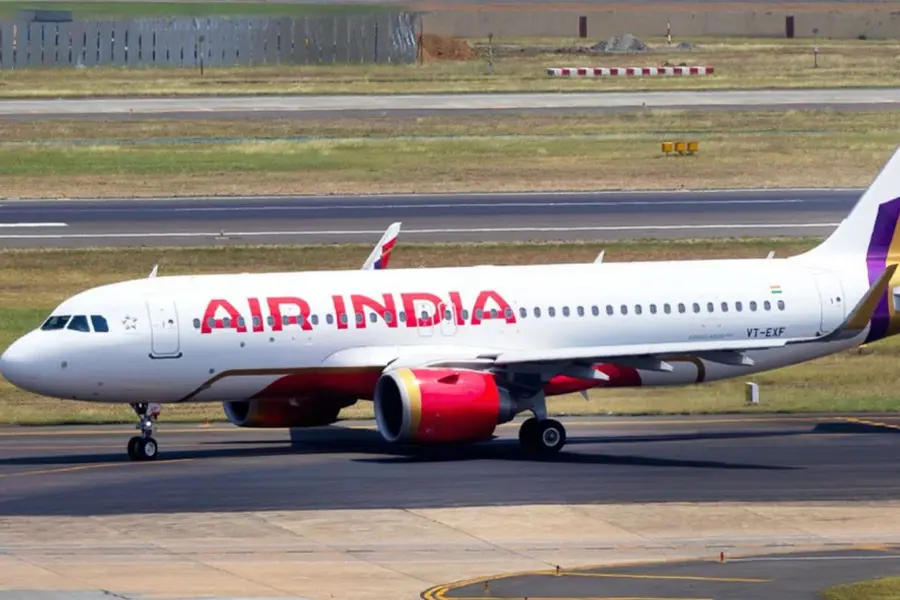
New Delhi: According to several reports, Air India is significantly shrinking its international operations beginning in June, with some suspensions expected to continue for the entire summer scheduling season.
The cancellations and frequency reductions affect routes across Southeast Asia, Europe, North America and Australia, marking one of the airline’s biggest international pullbacks since privatisation under the Tata Group.
Also Read

The changes are expected to impact the traditionally weaker June-to-August travel period, when airlines often face softer international demand.
Singapore, Bangkok and Kathmandu routes affected
The airline is reducing services on several Asian routes, including cancelling one of its double daily flights from Chennai and Mumbai to Singapore.
Flights from Delhi to Singapore are also expected to reduce to four weekly services during July.
Services to Bangkok from Delhi are being reduced from four daily flights to three, while Mumbai-Bangkok operations will also see cuts.
Air India is additionally scaling down flights to Kathmandu from six daily services to four daily between June and August.
Other affected routes include:
- Kuala Lumpur services reduced from 10 weekly flights to five
- Delhi-Male flights suspended
- Reduced frequencies to Colombo
- Mumbai-Dhaka services cancelled
- Recently launched Shanghai route scaled back
- Europe and North America face major reductions
- The airline’s European network is also seeing notable cuts.
Flights to Vienna, Copenhagen, Rome and Zurich are being reduced from four weekly flights to three. Paris services are expected to drop from two daily flights to one, while Milan frequencies are being cut from five weekly services to four.
The biggest impact, however, appears on North American operations.
Chicago services are reportedly being suspended between June and October, while Newark flights from Delhi and New York flights from Mumbai are expected to remain suspended between June and August.
Flights to San Francisco, Toronto and Vancouver are also seeing reduced frequencies extending into August.
Pakistan airspace closure continues to hurt operations
Although some West Asian airspace has gradually reopened, the continued closure of Pakistani airspace remains a major operational challenge for Indian carriers.
Air India has reportedly been forced to make refuelling stops on several North America-bound flights because of longer routing requirements.
The airline’s Australia operations, already reduced earlier this year, are also facing further cuts, with services dropping from five weekly flights to four during July and August.
Rising fuel costs add pressure on Air India
The international reductions come amid a sharp rise in global crude oil prices linked to the ongoing conflict in West Asia.
While the Indian government capped aviation turbine fuel price hikes for domestic operations, international flights continue to face significantly higher fuel costs as crude prices remain above $100 per barrel.
Industry observers believe the combination of higher operating costs and weaker international demand has forced the airline to reassess several long-haul routes.
The situation is particularly significant for Air India because the airline has been aggressively rebuilding its international network following privatisation. The latest cuts are expected to reverse many of the gains the carrier had made in the North American market over the past few years.
Widebody aircraft deployment may change
The network reductions may also allow Air India to redeploy some of its newer aircraft, including Airbus A350s and former Etihad Boeing 777s, to other routes.
This could help the airline phase out some older long-haul aircraft while improving onboard product quality on selected sectors.
The developments are also being closely watched by rival IndiGo, which has recently expanded long-haul international operations using leased Boeing Dreamliner aircraft.
The ongoing West Asia conflict is increasingly being viewed as a major disruption to the international expansion plans of Indian airlines, especially at a time when Air India was attempting to reposition itself as a stronger global carrier.
Published: 13 May 2026, 09:40 am IST
Disclaimer: Kindly avoid objectionable, derogatory, unlawful and lewd comments, while responding to reports. Such comments are punishable under cyber laws. Please keep away from personal attacks. The opinions expressed here are the personal opinions of readers and not that of Mathrubhumi.