
Andrews’ claims gain backing from a recent US Federal Aviation Administration (FAA) airworthiness directive issued in May for Boeing 787 aircraft, the model involved in the crash.
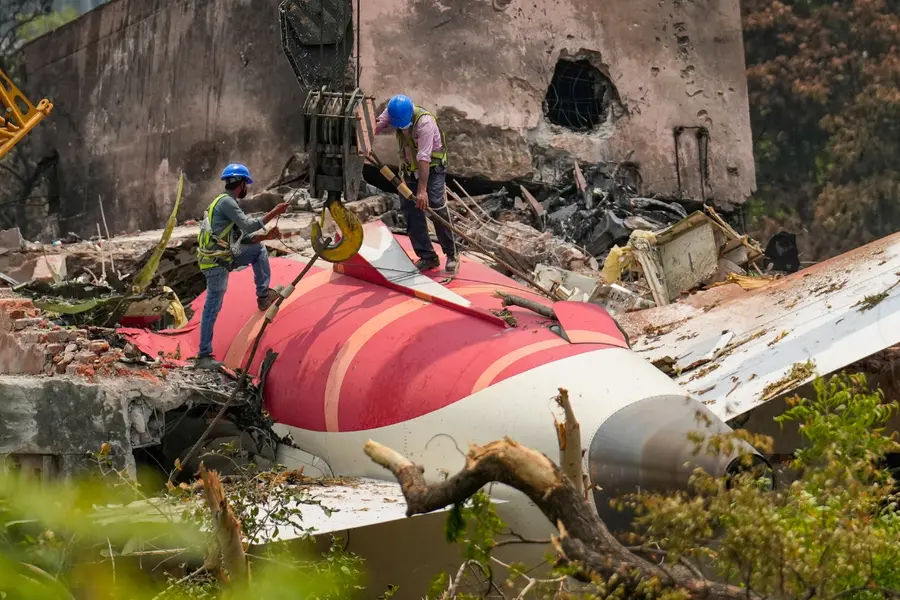
Three months after the tragic crash of Air India flight AI171 in Ahmedabad, families of the victims are pressing for a deeper investigation into the cause of the accident, questioning whether a technical fault and not pilot error may have brought down the aircraft.
Mike Andrews, the lead US attorney representing a majority of the families, has filed a request under the Freedom of Information Act (FOIA) with US authorities, seeking access to the aircraft’s flight data recorder, commonly known as the black box. He argues that new evidence points to a possible water leak-induced short circuit as the cause of the crash.
Also Read

According to Andrews, water from the aircraft’s potable water system could have leaked into sensitive electronic equipment, leading to a short circuit and an automatic shutdown of the aircraft’s fuel control switches. This, he says, would have resulted in the sudden loss of both engines, rather than any mistake by the pilots.
Andrews’ claims draw support from a recent US Federal Aviation Administration (FAA) airworthiness directive issued for Boeing 787 aircraft, the same model involved in the crash. The FAA directive, released in May, warned of water leaks from poorly installed waterline couplings on certain Boeing 787-8, 787-9, and 787-10 jets. Such leaks, the FAA noted, could allow moisture to enter electronics bays and cause electrical failures critical to safe flight.
The FAA has now required airlines to inspect these aircraft for missing or damaged seals and barriers designed to keep water away from key systems.
The crash of AI171 on June 12 remains one of the deadliest aviation disasters in India’s recent history. The Boeing 787-8 Dreamliner went down just 90 seconds after takeoff from Ahmedabad’s Sardar Vallabhbhai Patel International Airport, killing 260 people, including 229 passengers, 12 crew members, and 19 people on the ground.
India’s Aircraft Accident Investigation Bureau (AAIB) released a preliminary report soon after, confirming that both engines shut down during the climb, causing a rapid descent. The final cause of the accident is still under investigation.
For grieving families, the three-month mark is a painful reminder of their loss and a fresh call for answers. “The evidence increasingly suggests this was a technical failure, not pilot error,” Andrews said, adding that the families deserve full transparency about what happened on board AI171.
Published: 12 Sept 2025, 06:05 pm IST
Disclaimer: Kindly avoid objectionable, derogatory, unlawful and lewd comments, while responding to reports. Such comments are punishable under cyber laws. Please keep away from personal attacks. The opinions expressed here are the personal opinions of readers and not that of Mathrubhumi.