
Shocking levels of toxic chemicals like formalin, carbon monoxide, and cyanide detected in Ahmedabad Air India crash victims repatriated to the UK
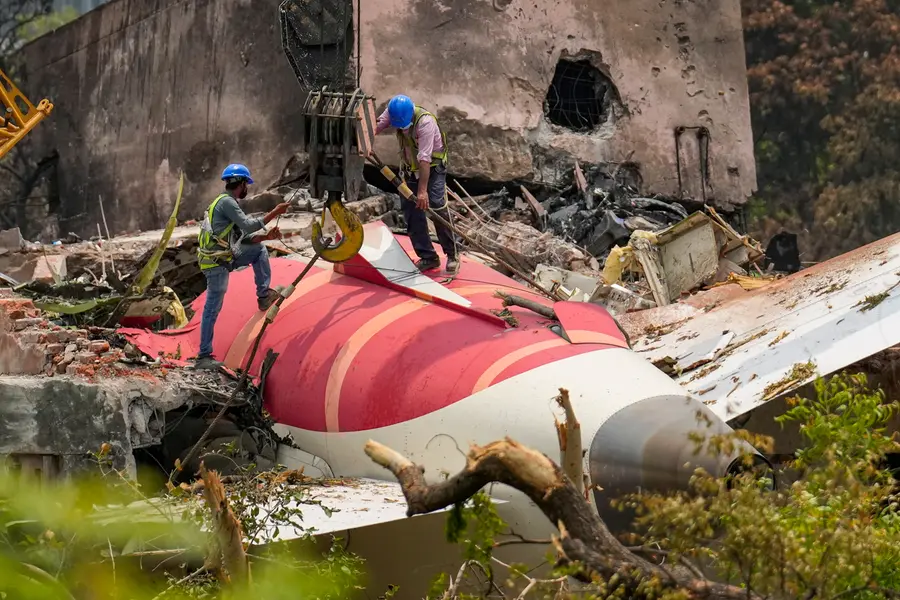
A startling revelation has emerged in the ongoing investigation into the Air India crash in Ahmedabad, with a senior British judicial officer reporting that “dangerously high” levels of toxic chemicals were found in the bodies of several victims repatriated to the United Kingdom. The findings have triggered serious concerns over international mortuary practices, preservation methods, and safety protocols for personnel handling the remains.
Professor Fiona Wilcox, the senior coroner leading the investigation into the deaths of 53 British nationals who perished in the Air India Boeing 787 crash on June 12, issued a Prevention of Future Deaths report on December 2.
In her report, Wilcox warned that staff at the Westminster Public Mortuary in London were exposed to critically unsafe levels of formalin, a chemical solution of formaldehyde when they began handling the remains repatriated from India. The hazard became evident as soon as the coffins were opened and the protective wrappings were removed.
Wilcox’s findings revealed the presence of three dangerous substances inside the mortuary, formalin, carbon monoxide, and cyanide. According to the report, the bodies were returned in lined coffins and appeared to contain approximately 40% formalin, far higher than levels normally used for preservation. The excessive quantities created an immediate toxic environment for mortuary employees upon exposure.
“Levels of formalin were found to be dangerously high, and carbon monoxide and cyanide were also detected at dangerous levels following the opening of the coffins and unwrapping of the bodies,” Wilcox stated. She added that the risks intensified due to formaldehyde’s volatile nature, which allows it to disperse rapidly into the air.
Expert evidence cited by the coroner explained that formalin can cause severe metabolic and respiratory complications, including metabolic acidosis, bronchospasm, pulmonary oedema, and, in extreme cases, death. When exposed to heat or light, formaldehyde can break down and release carbon monoxide, while interactions with ammonia, a by-product generated during natural decomposition and can produce cyanide.
The coroner underscored that the incident exposed a widespread “under appreciation” of the risks associated with formalin across UK mortuaries. She noted that no inquests have yet begun, but her duty under Regulation 28 compelled her to issue the warning because the preservation method used in this case posed a “serious risk” to all personnel involved in the handling and examination of the remains.
An emergency protocol was activated after the toxic fumes were detected, prompting the mortuary to install environmental monitoring systems and supply staff with respiratory equipment and enhanced protective gear.
Wilcox has asked the UK Departments of Health and Social Care, and Housing, Communities and Local Government, to respond within 56 days outlining steps to prevent a recurrence of such hazards.
Commenting on the report, a spokesperson for the British government expressed condolences to the families and acknowledged the seriousness of the coroner’s findings.
“This is a deeply shocking case. Our deepest sympathies are with the families of all those who died in this tragic crash. We will study the concerns raised in the Prevention of Future Deaths report and respond formally,” the statement said.
Published: 04 Dec 2025, 05:06 pm IST
Related Topics
Disclaimer: Kindly avoid objectionable, derogatory, unlawful and lewd comments, while responding to reports. Such comments are punishable under cyber laws. Please keep away from personal attacks. The opinions expressed here are the personal opinions of readers and not that of Mathrubhumi.
