
Ahmedabad Air India crash revives cockpit video recorder debate.
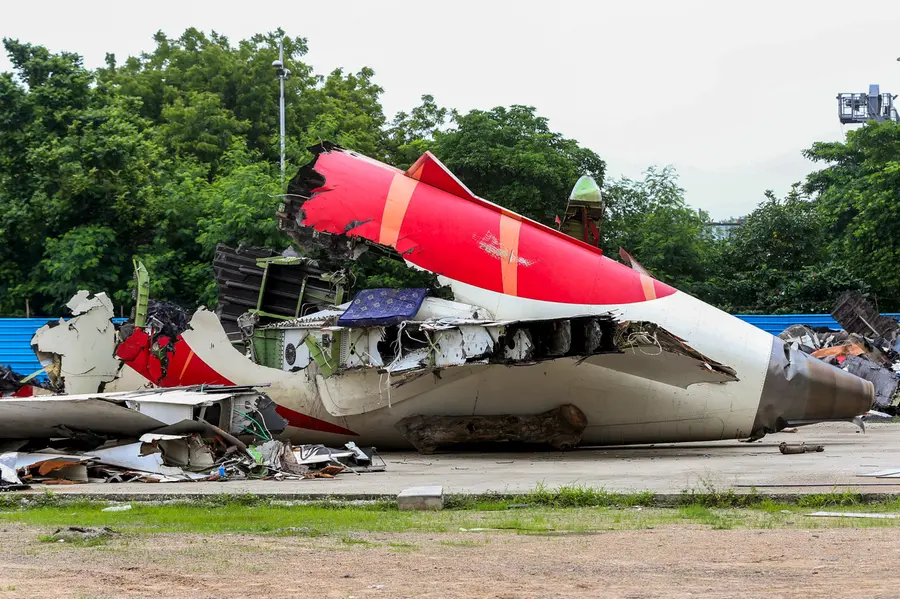
The recent crash of Air India flight 171 in Ahmedabad has reignited discussion regarding the necessity of cockpit video recorders in commercial aircraft, Reuters reports.
The debate was triggered by preliminary findings from India's Aircraft Accident Investigation Bureau (AAIB). The AAIB suggested that one of the pilots may have accidentally shut off the engines’ fuel supply soon after takeoff. Aviation experts contend that a video recording of cockpit activity could have provided crucial evidence to investigators, particularly concerning the crew’s behaviour and mental state.
Existing recorders
Currently, accident investigators primarily rely on cockpit voice recorders and flight data recorders. Proponents of video installation argue that it would help fill information gaps. For instance, Reuters reports that Australian investigators utilised cockpit video to comprehend a 2023 helicopter crash where the pilot was distracted by phone use and food.
Privacy concerns
Pilot unions, notably in the United States, remain steadfastly opposed to video monitoring. They argue that the existing voice and data recorders are sufficient, and voice apprehension that the footage may be misused by airlines or leaked, harming the dignity of those involved.
International aviation bodies divided
International aviation bodies find themselves divided on the matter. While some experts assert that video footage could improve safety, others emphasise the imperative for strict global rules to ensure privacy. With the AAIB anticipated to release its final report within a year, the debate is poised to intensify both in India and globally.
Published: 16 Jul 2025, 10:56 am IST
Related Topics
Disclaimer: Kindly avoid objectionable, derogatory, unlawful and lewd comments, while responding to reports. Such comments are punishable under cyber laws. Please keep away from personal attacks. The opinions expressed here are the personal opinions of readers and not that of Mathrubhumi.
