
Nearly a year after the Air India Boeing 787 crash in Ahmedabad killed 260 people, investigators are preparing an interim report while key questions over cockpit fuel switches and crash causes remain unanswered.
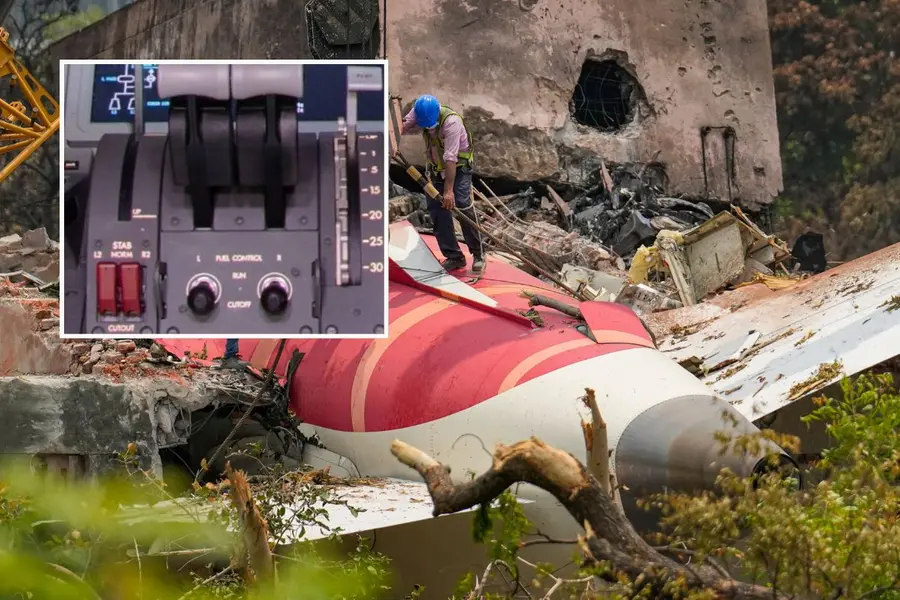
Nearly a year after the devastating Air India Boeing 787 crash near Ahmedabad that claimed 260 lives and shocked the global aviation industry, hundreds of grieving families are still waiting for one thing, clarity.
For many relatives of the victims, the pain of the tragedy has never truly faded. The memories of frantic phone calls, unanswered messages and heartbreaking confirmations remain painfully fresh even as the first anniversary of the crash approaches next month. Yet, despite the passage of time, the final answers behind what caused one of the world’s deadliest aviation disasters in recent years are still not available.
Now, sources familiar with the investigation have confirmed to Reuters that Indian investigators are preparing an interim report ahead of the anniversary of the crash, while the final report is expected to take significantly longer due to the complexity of the probe.
Why the final report is still not ready
According to Reuters sources, investigators from India’s Aircraft Accident Investigation Bureau (AAIB) are still working through a highly complex investigation involving technical analysis, cockpit voice recordings, aircraft systems data and international coordination.
One source directly familiar with the matter said the upcoming interim report will be “more comprehensive” than the earlier preliminary findings and will likely examine both possible primary causes and contributing factors behind the crash.
However, the investigation has not yet reached a stage where authorities are prepared to issue a final conclusion.
Under international aviation investigation rules set by the International Civil Aviation Organization (ICAO), a final accident report is generally expected within one year. But if investigations are not completed in time, countries are required to issue an interim statement explaining the status of the probe.
For families awaiting accountability and closure, the delay may feel emotionally exhausting, but aviation experts note that major crash investigations often take several years, especially when multiple technical, operational and human factors are involved.
The cockpit questions continue
One of the most debated aspects of the investigation remains the movement of the aircraft’s fuel switches.
According to earlier reports, cockpit recordings suggested confusion between the pilots shortly after the fuel supply to the engines was interrupted. Reuters had earlier reported that preliminary assessments by some U.S. officials pointed toward the captain possibly cutting fuel flow to the engines, though Indian investigators at the time cautioned that it was “too early to reach definite conclusions.”
The issue has become even more sensitive following a separate Air India Boeing 787 incident earlier this year involving reportedly unstable fuel switches during an engine start sequence on a London-Bengaluru flight.
In that case, pilots reportedly observed that the fuel switches did not consistently remain fixed in the “run” position during initial attempts before stabilising later.
The incident has now triggered additional attention from India’s aviation regulator, the Directorate General of Civil Aviation (DGCA), which is reportedly planning to send officials to Seattle next month to observe Boeing’s testing of the fuel switches.
A disaster that shook Indian aviation
The Air India Boeing 787 Dreamliner was operating a flight from Ahmedabad to London on June 12, 2025, when it crashed shortly after take-off, killing 260 people in what became the aviation industry’s deadliest accident in more than a decade.
The tragedy not only devastated families across India and abroad but also placed intense scrutiny on aircraft systems, airline procedures, cockpit actions and regulatory oversight.
Last year’s preliminary investigation report had already raised serious questions after revealing that the aircraft’s engine fuel control switches had moved almost simultaneously, cutting fuel supply to both engines shortly after take-off.
The findings immediately triggered global attention because fuel switch movements are considered highly sensitive actions inside the cockpit.
Why this matters beyond one crash
The Boeing 787 Dreamliner remains one of the world’s most widely used long-haul aircraft, operated extensively by airlines globally, including Air India. This is why every development linked to the crash investigation is being watched closely not only by families and Indian authorities, but also by international regulators, airlines, manufacturers and safety experts. The ongoing investigation is not just about determining responsibility for one accident. It has broader implications for overall aircraft system reliability, cockpit safety, pilot training and aircraft certification procedures.
Interim report might offer clarity but not closure
Unlike a final investigation report, an interim statement does not necessarily provide definitive conclusions or assign responsibility. However, aviation experts believe the upcoming report could still provide more detailed insights into aircraft system behaviour, the sequence of events in the cockpit at the time of crash, engine response data and other additional technical findings gathered in the past.
Importantly, an interim report does not require the same international consultation process that accompanies final reports. Under ICAO rules, draft final reports are typically shared with participating countries and agencies such as the US National Transportation Safety Board (NTSB) for review and comments before publication.
Families continue waiting
For relatives of the victims, however, the investigation is about far more than technical findings.
Many families continue to seek emotional closure, accountability and reassurance that lessons are being learned to prevent such tragedies from happening again.
The approaching anniversary of the Ahmedabad crash is expected to reopen painful memories for many who lost loved ones that day. While the interim report may provide additional clarity into what happened inside the cockpit and aircraft systems during those final moments, the wait for complete answers and perhaps peace still continues.
As investigators continue piecing together one of India’s most significant aviation disasters, the tragedy remains a stark reminder that behind every technical investigation are human lives, grieving families and unanswered questions that refuse to fade with time.
Published: 26 May 2026, 03:47 pm IST
Related Topics
Disclaimer: Kindly avoid objectionable, derogatory, unlawful and lewd comments, while responding to reports. Such comments are punishable under cyber laws. Please keep away from personal attacks. The opinions expressed here are the personal opinions of readers and not that of Mathrubhumi.
