
The cause of the crash is yet to be officially established, but early indications from the mayday transmission have turned attention to a possible loss of engine thrust or aerodynamic lift.
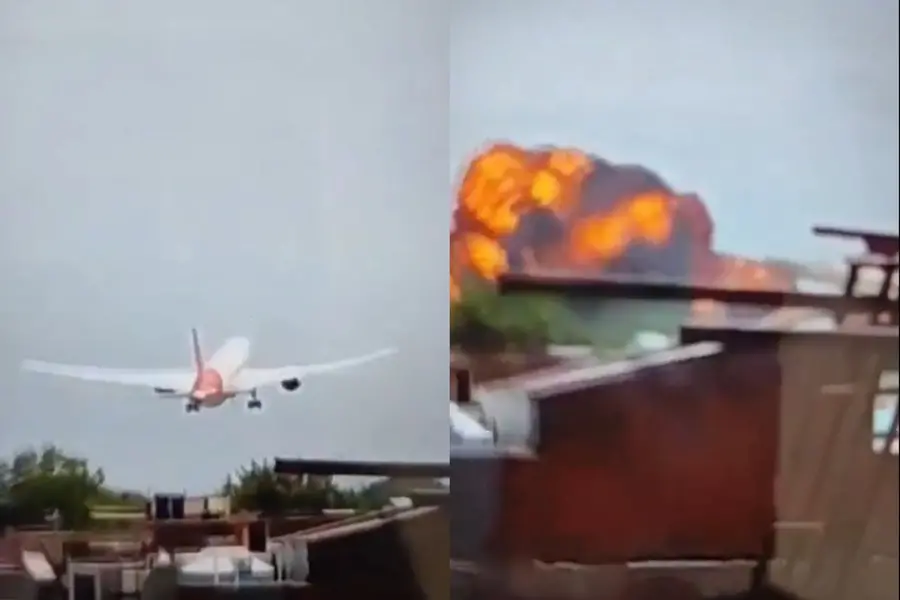
Moments before the fatal crash of the London-bound Air India Dreamliner in Gujarat, the captain’s final words to air traffic control delivered a chilling message:
“Mayday. No thrust, losing power, unable to lift.”
Also Read

The aircraft, a Boeing 787-8, had just taken off when it failed to gain altitude and eventually crashed, becoming the first fatal accident involving this aircraft model. The exact cause remains unknown and will be the subject of a detailed investigation. However, early clues—particularly the mayday call—have directed attention to a possible loss of engine power or lift.
Struggle for lift: Did the aircraft stall?
Video footage shows the plane failing to rise properly after take-off, staying low before descending rapidly. The loss of speed and altitude has led to suggestions that the aircraft may have stalled—where it could no longer generate enough lift to stay airborne.
Aircraft lift is closely linked to speed, and any failure in thrust can cause a dangerous drop in lift. The footage, along with radar data, supports the theory that the plane lost speed shortly after take-off.
Flaps and gear: Possible configuration failure?
Another critical focus is the aircraft’s configuration during take-off. Observers noted that the plane’s wing flaps may not have been extended—an essential step to help aircraft generate lift at low speeds. Furthermore, its landing gear appeared to still be down when it crashed, raising concerns about whether standard take-off procedures were completed.
If the flaps were retracted too early or not deployed at all, the aircraft would struggle to lift off, especially without sufficient engine thrust. The combination of retracted flaps and deployed landing gear is considered unusual in a normal take-off sequence.
Bird strikes, engine failure, or contaminated fuel?
There is also speculation that bird strikes could have affected both engines. A flock of birds entering the engines at take-off could cause a rare double-engine failure. Such incidents are more likely during low-altitude flight phases, especially near airports.
Contaminated fuel is another possible cause. If foreign particles blocked the fuel lines, the engines could have been starved of power, explaining the pilot’s report of “no thrust.”
Environmental and technical concerns
Extreme heat—recorded at 40°C on the day—could also have played a role. High temperatures reduce air density, requiring aircraft to achieve higher speeds for the same lift. Combined with a possible mechanical issue or incorrect take-off settings, the hot conditions may have worsened the situation.
The aircraft was 11 years old and part of a global fleet of more than 1,100 Dreamliners. While the 787 has had a good safety record over the past decade, concerns have previously been raised about design complexity, early battery issues, and the need for rigorous maintenance.
Black boxes, cockpit data under analysis
The two black boxes—containing cockpit voice recordings and technical flight data—will now be central to the investigation. Authorities are analysing whether the crash stemmed from pilot input, technical malfunction, or a combination of several failures.
Though the aircraft is designed to fly even on one engine, the low altitude at the time of failure left minimal time for recovery. Modern systems provide multiple safety backups, but many of these are less effective just after take-off.
Dreamliner fleet under inspection
India’s aviation regulator has ordered safety checks and additional maintenance actions on Air India’s remaining Boeing 787 fleet. The airline uses engines from GE Aerospace, which are different from the Rolls-Royce engines once grounded over past defects.
International investigators, including teams from the UK, are assisting Indian authorities to determine what went wrong in the crucial seconds after take-off.
Published: 14 Jun 2025, 12:04 pm IST
Disclaimer: Kindly avoid objectionable, derogatory, unlawful and lewd comments, while responding to reports. Such comments are punishable under cyber laws. Please keep away from personal attacks. The opinions expressed here are the personal opinions of readers and not that of Mathrubhumi.