
From November 2025, update your name, address, and other details online – no more centre visits!
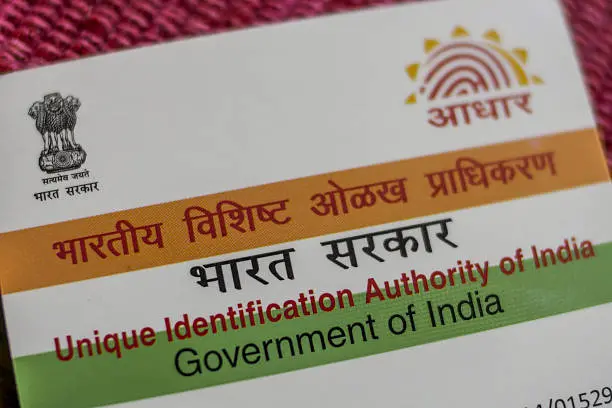
The Unique Identification Authority of India (UIDAI) has unveiled major updates to Aadhaar card regulations set to take effect from November 2025, making identity update processes simpler, faster, and more secure for residents across India.
Starting next month, citizens can update Aadhaar details such as name, address, date of birth, gender, and mobile number entirely online without needing to visit an Aadhaar centre. This will leverage automatic verification against central databases (PAN, passport, ration card, birth certificate), promising speed and accuracy while reducing documentation hassles.
Fee structures for updates have also changed, with revised charges for demographic and biometric updates. Aadhaar-PAN linking has now been mandated; failing to link PAN cards with Aadhaar by December 31, 2025, will result in the deactivation of PAN. For new PAN applications, Aadhaar authentication is compulsory. KYC procedures for banks and financial services can now be completed remotely using Aadhaar OTP, video KYC, or in-person verification.
What are these key changes?
- Update Aadhaar details (name, address, date of birth, gender, mobile number) online without visiting a service centre.
- Automatic verification via central government databases, eliminating the need to upload supporting documents
- Revised update fees: ₹75 for demographic updates, ₹125 for biometric updates at centres; online updates free until June 2026
- Biometric updates remain free for children aged 5–7 and 15–17 years.
- Mandatory PAN-Aadhaar linking by December 31, 2025; PAN to be deactivated if not linked
- Aadhaar authentication is required for all new PAN applicants
- Simplified KYC process: banks and financial institutions allowed to use Aadhaar OTP, video KYC, or physical verification
- Upcoming UIDAI mobile app providing QR code-based digital Aadhaar, reducing the risk of fraud and misuse
These reforms are designed to streamline digital identity management and enhance the ease of accessing banking, investments, and government schemes.
Published: 27 Oct 2025, 05:45 pm IST
Related Topics
Disclaimer: Kindly avoid objectionable, derogatory, unlawful and lewd comments, while responding to reports. Such comments are punishable under cyber laws. Please keep away from personal attacks. The opinions expressed here are the personal opinions of readers and not that of Mathrubhumi.
