
9-karat gold to be hallmarked from July 2025, ensuring traceability and purity for buyers.
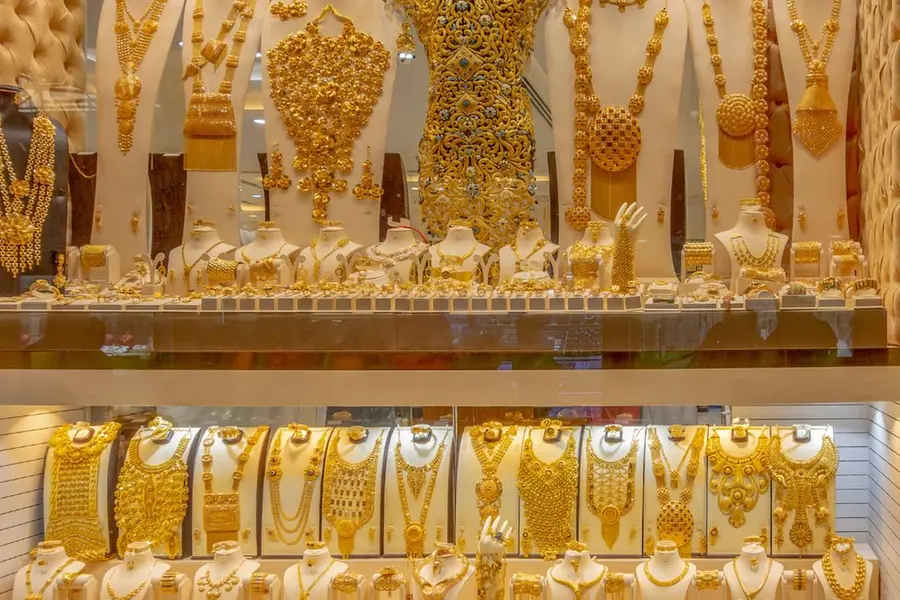
From July 2025, buyers of 9-karat gold jewellery can expect improved assurance of purity, as the Bureau of Indian Standards (BIS) has announced mandatory hallmarking for this category.
Hallmarking, governed by the BIS Act, 2016, certifies the proportion of precious metal in jewellery and artefacts, allowing consumers to verify purity before making a purchase.
What’s new for gold buyers?
The list of hallmarking grades will now include 9K gold, alongside existing categories of 14KT, 18KT, 20KT, 22KT, 23KT and 24KT. This move aims to give consumers better clarity and confidence when opting for lower karat gold.
According to the All India Gem and Jewellery Domestic Council, “Nine Karat Gold (375 ppt) is now officially under mandatory hallmarking as per BIS Amendment No. 2. All jewellers and hallmarking centres must comply.”
Why 9K matters to customers
With the cost of higher-karat gold rising, more consumers—especially younger ones—are turning to 9K gold for its affordability and ease of design. By making it mandatory to hallmark 9-karat gold, the BIS hopes to protect consumer interest while also making gold items easier to trace, particularly in light of rising chain-snatching incidents.
Growing trust in hallmarked jewellery
So far, over 40 crore gold jewellery items have been hallmarked with a unique Hallmark Unique Identification (HUID) number, reinforcing trust and transparency in the market.
BIS hallmarking now covers 361 districts
As part of its ongoing efforts, the BIS launched the fourth phase of mandatory hallmarking from November 5, 2024. This phase added 18 more districts, bringing the total number covered to 361.
Earlier, the first phase began on June 23, 2021, covering 256 districts, followed by the second phase from April 4, 2022, which added 32 more. The third phase, starting on September 6, 2023, expanded the coverage by another 55 districts.
Published: 19 Jul 2025, 12:45 pm IST
Related Topics
Subscribe to our Newsletter
Disclaimer: Kindly avoid objectionable, derogatory, unlawful and lewd comments, while responding to reports. Such comments are punishable under cyber laws. Please keep away from personal attacks. The opinions expressed here are the personal opinions of readers and not that of Mathrubhumi.
