
New comprehensive audits covering all aviation entities are being implemented, with a three-stage process focusing on safety management and regulatory compliance
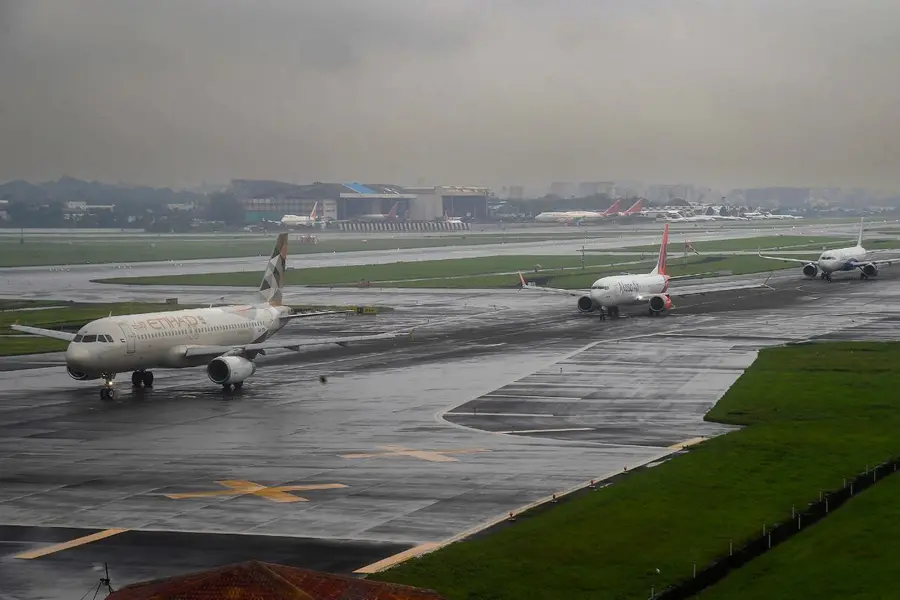
New Delhi: The Directorate General of Civil Aviation (DGCA) has conducted 171 regulatory audits from 2020 to June 2025 to ensure safety in India's civil aviation sector, Parliament was informed on Monday. Since January 2024, there have been two turbulence incidents and 10 emergency landings due to technical issues. Additionally, Air India’s Boeing aircraft VT-ANB declared a MAYDAY and crashed on June 12, 2025, as stated by Minister of State for Civil Aviation Murlidhar Mohol in a written reply to the Rajya Sabha.
Pilot training in India is governed by regulations under various Civil Aviation Requirements (CAR) and operations circulars, which align with International Civil Aviation Organisation (ICAO) standards and global best practices. The DGCA continuously updates its Civil Aviation Regulations to ensure safe aircraft operation and maintenance, aligning them with ICAO and European Union Aviation Safety Agency (EASA) standards. India has ratified the Montreal Convention, 1999, via amendments to the Carriage by Air Act, 1972, guaranteeing carrier liabilities for compensation in international carriage incidents involving death, delay, or damage.
Following the Air India crash in Ahmedabad, DGCA has ordered new Comprehensive Special Audits to enhance safety oversight. This audit framework will supplement existing annual regulatory audits and encompasses all aviation entities, including scheduled and non-scheduled airlines, maintenance, repair, and overhaul organisations (MROs), flying training schools, air navigation service providers, airport operators, and ground handling agencies.
The special audit process comprises three stages: a pre-audit phase lasting five to seven days, an on-site audit of three to five days, and a post-audit analysis and follow-up lasting ten to fifteen days. Entities are required to submit corrective action plans within 15 days of receiving audit findings, and the DGCA will monitor the implementation closely.
Multidisciplinary audit teams led by senior officials and supported by subject matter experts conduct rigorous inspections focusing on Safety Management Systems (SMS), operational efficiency, regulatory compliance, and crew and resource management protocols. The audits are triggered by factors such as accidents, serious incidents, repeated non-compliance issues, and ICAO findings.
Audit findings are classified into three levels: Level 1 indicates immediate safety risks, Level 2 significant but non-critical issues, and a third category for long-term observations. The DGCA has warned that failure to comply with audit recommendations can lead to penalties, including suspension of operations or cancellation of licenses for safety violations.
With inputs from IANS
Published: 11 Aug 2025, 05:49 pm IST
Disclaimer: Kindly avoid objectionable, derogatory, unlawful and lewd comments, while responding to reports. Such comments are punishable under cyber laws. Please keep away from personal attacks. The opinions expressed here are the personal opinions of readers and not that of Mathrubhumi.
