
Activists warn of ecological crisis in Idukki as small fish disappear from streams due to pollution and pesticide use. Urgent action needed to protect biodiversity.
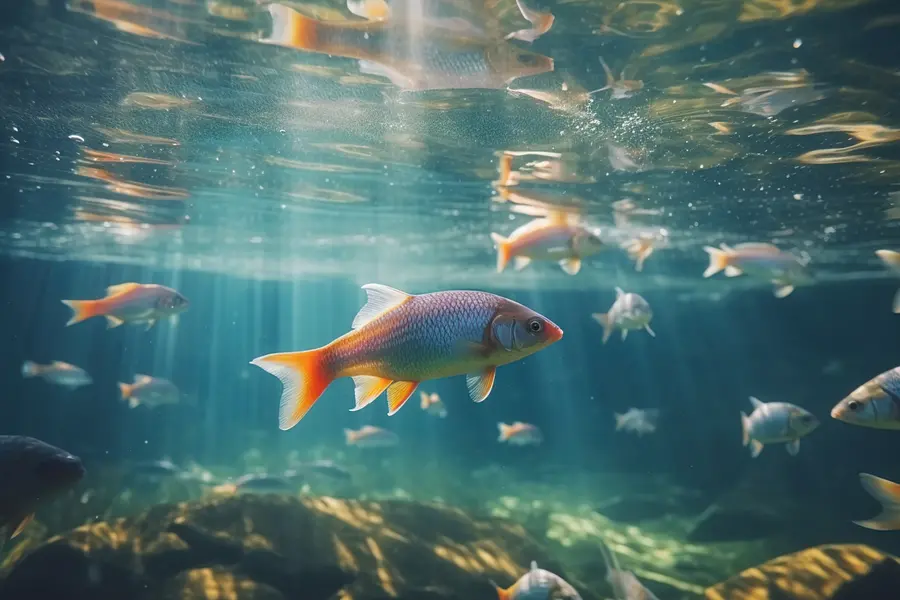
Environmental activists have sounded the alarm over a steep decline in fish populations in rivers and streams across the high ranges of Idukki, cautioning that the trend points to a deepening ecological crisis in the district.
Activists note that several small fish species once commonly found in the region’s hill streams have become increasingly scarce. They attribute the depletion primarily to water pollution and the excessive use of pesticides in agriculture.
Also Read

Until a few years ago, local water bodies were home to a diverse range of small fish such as paral, vazhakkavaran, kallemutti and chillankoori. Beyond serving as a source of food and livelihood for local communities, these species also acted as indicators of water quality and biodiversity. However, activists say that many rivers and streams have gradually been reduced to waste disposal channels, causing serious damage to natural habitats.
The problem has been compounded by the indiscriminate application of chemical fertilisers and pesticides in agricultural fields across the high ranges. During the monsoon season, runoff from farms carries these chemicals into nearby streams and rivers, lowering oxygen levels and destroying microorganisms crucial for fish breeding and survival. Smaller fish species are the first to suffer, leading to their gradual disappearance.
District Biodiversity Management Committee member and environmental activist K. Bulbendran said the decline in fish wealth is a clear sign of a broader ecological imbalance. The disappearance of small fish, he said, disrupts the food chain and eventually impacts human society as well.
He warned that continued pollution of water sources and unchecked pesticide use could lead to a major environmental crisis in the future if urgent corrective measures are not taken.
Activists further highlighted that the destruction of aquatic habitats poses a threat to other organisms, including frogs, which play an important role in natural pest control. A decline in frog populations could trigger a rise in pest infestations, indirectly affecting agriculture and human life.
They have called for stricter regulation of pesticide use, greater promotion of organic farming, protection of rivers and streams from waste dumping, and the establishment of buffer zones along water bodies. They also stressed the need for awareness programmes involving local communities to ensure long-term conservation efforts.
Environmental groups cautioned that inaction could result not only in the extinction of fish species but also in irreversible damage to the region’s biodiversity and the livelihoods that depend on it.
Published: 13 Feb 2026, 04:03 pm IST
Disclaimer: Kindly avoid objectionable, derogatory, unlawful and lewd comments, while responding to reports. Such comments are punishable under cyber laws. Please keep away from personal attacks. The opinions expressed here are the personal opinions of readers and not that of Mathrubhumi.