
‘Satluj’ is inspired by the life of Jaswant Singh Khalra, the activist who uncovered alleged illegal killings and secret cremations in Punjab. Here's the extraordinary true story behind the film.
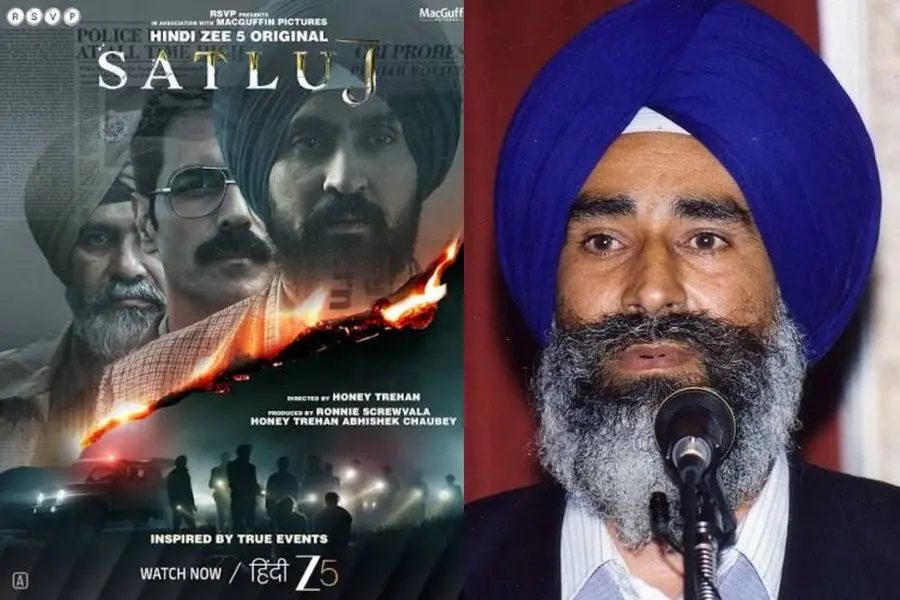
After years of certification hurdles and controversy, Diljit Dosanjh's ‘Satluj’, formerly known as ‘Punjab '95’, premiered on OTT before being removed from the platform. As audiences wait for its return, here's the real-life story behind the film.
Directed by Honey Trehan, the film is inspired by the life of Jaswant Singh Khalra, the Punjabi human rights activist whose relentless pursuit of truth made him one of the most significant voices documenting alleged human rights abuses during Punjab's militancy era.
Also Read

Who was Jaswant Singh Khalra?
Jaswant Singh Khalra was born in 1952 in Khalra village, Amritsar district, Punjab. Before becoming a prominent human rights activist, he worked as a bank employee in the 1980s.
The turbulent events of the 1980s, including Operation Blue Star, the assassination of former Prime Minister Indira Gandhi, and the 1984 anti-Sikh riots left an impact on him.
As Punjab grappled with militancy and counter-insurgency operations, many Sikh families claimed that relatives had disappeared after being taken into police custody.
Concerned by the growing number of missing persons, Khalra began investigating the cases himself.
The investigation that changed everything
Khalra's research led him to municipal records in Amritsar, where he reportedly uncovered documents related to thousands of unclaimed cremations.
According to his findings, the records contained names, ages and addresses of individuals who had allegedly been killed and cremated without their families being informed. He argued that many of these deaths were linked to enforced disappearances during the state's anti-insurgency campaign.
His work drew national and international attention and brought renewed focus to allegations of illegal killings and secret cremations in Punjab.
His mysterious disappearance
In September 1995, Jaswant Singh Khalra himself disappeared.
According to multiple reports, he was last seen washing his car outside his home when he was allegedly abducted. His disappearance sparked widespread outrage among human rights organisations in India and abroad.
Initially, authorities denied any knowledge of his whereabouts.
The CBI investigation and court verdict
A year later, the Central Bureau of Investigation (CBI) concluded that Khalra had been illegally detained at a police station in Tarn Taran and recommended prosecution against nine Punjab Police officials for his alleged kidnapping and murder.
The legal battle continued for over a decade.
In 2007, the Punjab and Haryana High Court upheld and enhanced the punishment for four former Punjab Police personnel, sentencing them to life imprisonment for their roles in the case.
His legacy lives on
Jaswant Singh Khalra is survived by his wife, Paramjit Kaur Khalra, and their children, Navkiran Kaur and Janmeet Singh.
Paramjit Kaur has continued to advocate for justice for victims of enforced disappearances and their families, carrying forward the work her husband dedicated his life to.
Within sections of the Sikh community, Khalra is remembered as "Shaheed" (martyr) for the sacrifices he made while documenting alleged human rights violations. More broadly, he is recognised as a symbol of courage, accountability and the pursuit of justice.
Why ‘Satluj’ brings his story back into focus
With ‘Satluj’ now released after a prolonged certification battle, Khalra's story is reaching a new generation of viewers.
Rather than being a conventional biopic, the film draws inspiration from the activist's life and the risks he took while investigating one of the most sensitive chapters in Punjab's modern history.
Published: 06 Jul 2026, 10:51 am IST
Disclaimer: Kindly avoid objectionable, derogatory, unlawful and lewd comments, while responding to reports. Such comments are punishable under cyber laws. Please keep away from personal attacks. The opinions expressed here are the personal opinions of readers and not that of Mathrubhumi.