
Vidhu Vinod Chopra says Munna Bhai MBBS made him rich — because nobody outside Mumbai wanted to buy it
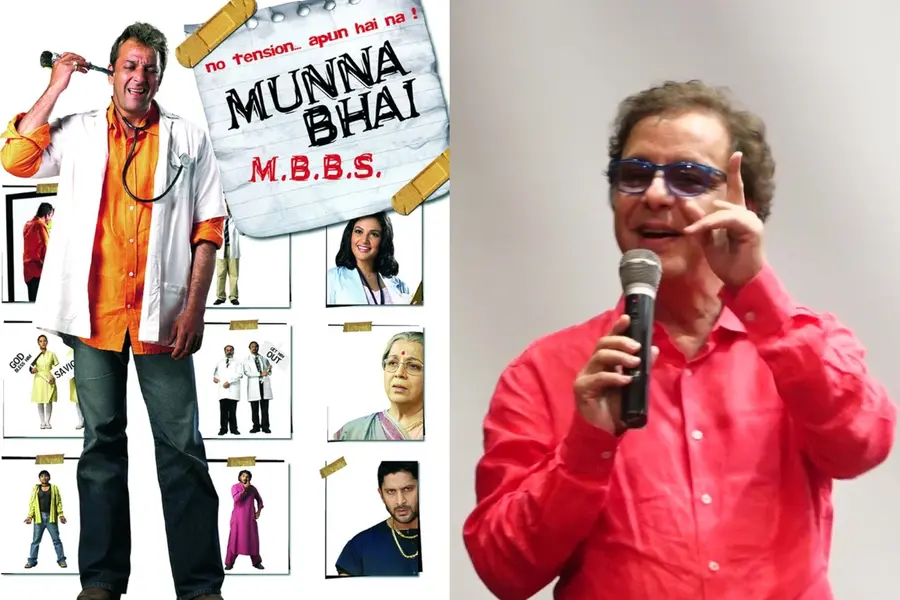
When Munna Bhai MBBS was ready for release in 2003, few could have predicted it would go on to become a cult classic and box office hit.
According to its producer Vidhu Vinod Chopra, the film faced rejection across India, particularly in South Indian markets. The reason? Its language and style were deemed “too Bambaiya” — too steeped in Mumbai slang and sensibilities to appeal to a wider audience.
In a recent interview, Chopra recounted how a distributor in Chennai pulled out just days before the release, refusing to take the risk. With no buyers outside Mumbai, Chopra decided to distribute the film himself. He sold just one print to a cinema in Chennai for ₹5 lakh. To everyone’s astonishment, that single theatre later earned over ₹1 crore, driven solely by word-of-mouth success.
“No one came on the first two days,” Chopra recalled. “But when people started watching, they loved it. The film picked up slowly, but then it just flew.” The unlikely success not only launched the careers of director Rajkumar Hirani and revived Sanjay Dutt’s stardom, but it also turned Chopra into a wealthy producer. He admitted that the risk — which initially seemed like a disaster — ended up being the turning point in his career.
The film introduced audiences to the now-iconic characters Munna and Circuit, played by Sanjay Dutt and Arshad Warsi respectively. Its mix of humour, emotion, and social commentary struck a chord with viewers across India, despite the initial resistance from distributors who underestimated its appeal.
Chopra likened the film’s trajectory to his more recent directorial venture, 12th Fail (2023), a biographical drama starring Vikrant Massey. That film too opened modestly, with little buzz, but went on to earn over ₹70 crore and ran in cinemas for more than seven months. “Once again, the audience proved me right,” Chopra said. “If the story is honest, it will always find its people.”
The experience of Munna Bhai MBBS remains a case study in the unpredictable nature of Indian cinema, where genuine storytelling can defy market logic — and where one theatre with one print can change everything.
Published: 26 Jul 2025, 08:17 am IST
Related Topics
Disclaimer: Kindly avoid objectionable, derogatory, unlawful and lewd comments, while responding to reports. Such comments are punishable under cyber laws. Please keep away from personal attacks. The opinions expressed here are the personal opinions of readers and not that of Mathrubhumi.
